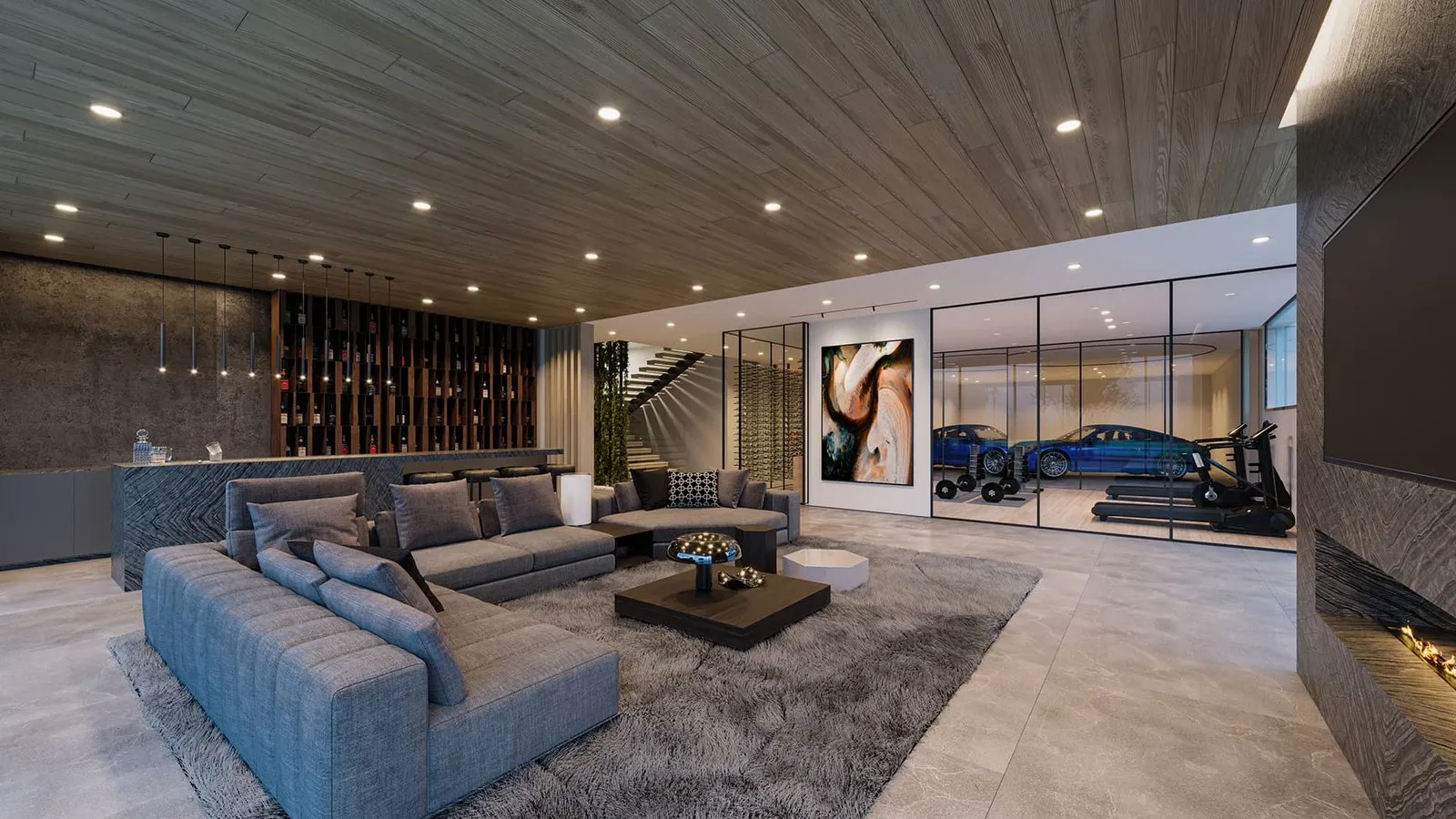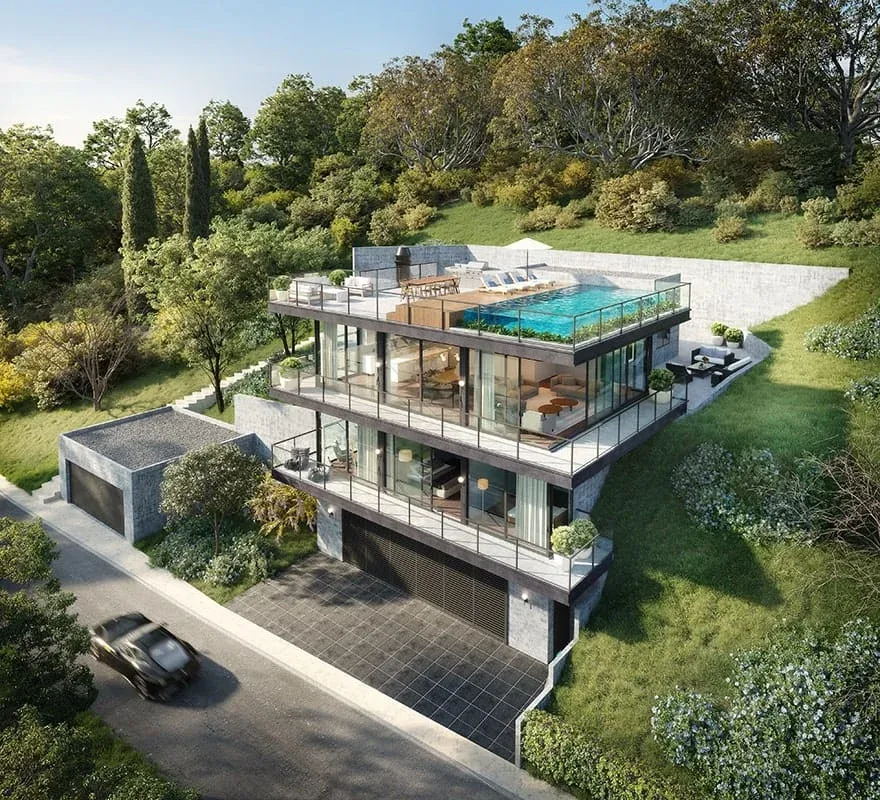

3D Exterior Rendering vs Interior Rendering: Key Differences & When to Use Each

Lukas Berezowiec · CEO of NoTriangle Studio·December 11, 2025 · 9 minutes
Exterior and interior renderings often get bundled together. But they’re built for different moments, different audiences and different goals. One shows the building in its environment, the architecture, the streetscape, the curb appeal. The other shows how it feels to live inside the space, the mood, the flow, the finishes.
Understanding these differences helps you choose the right type of CGI. It also helps teams avoid wasted revisions, unclear visuals and misaligned expectations.
If you need a quick refresher, explore our 3D Exterior Rendering Services or see our 3D Interior Rendering Services.
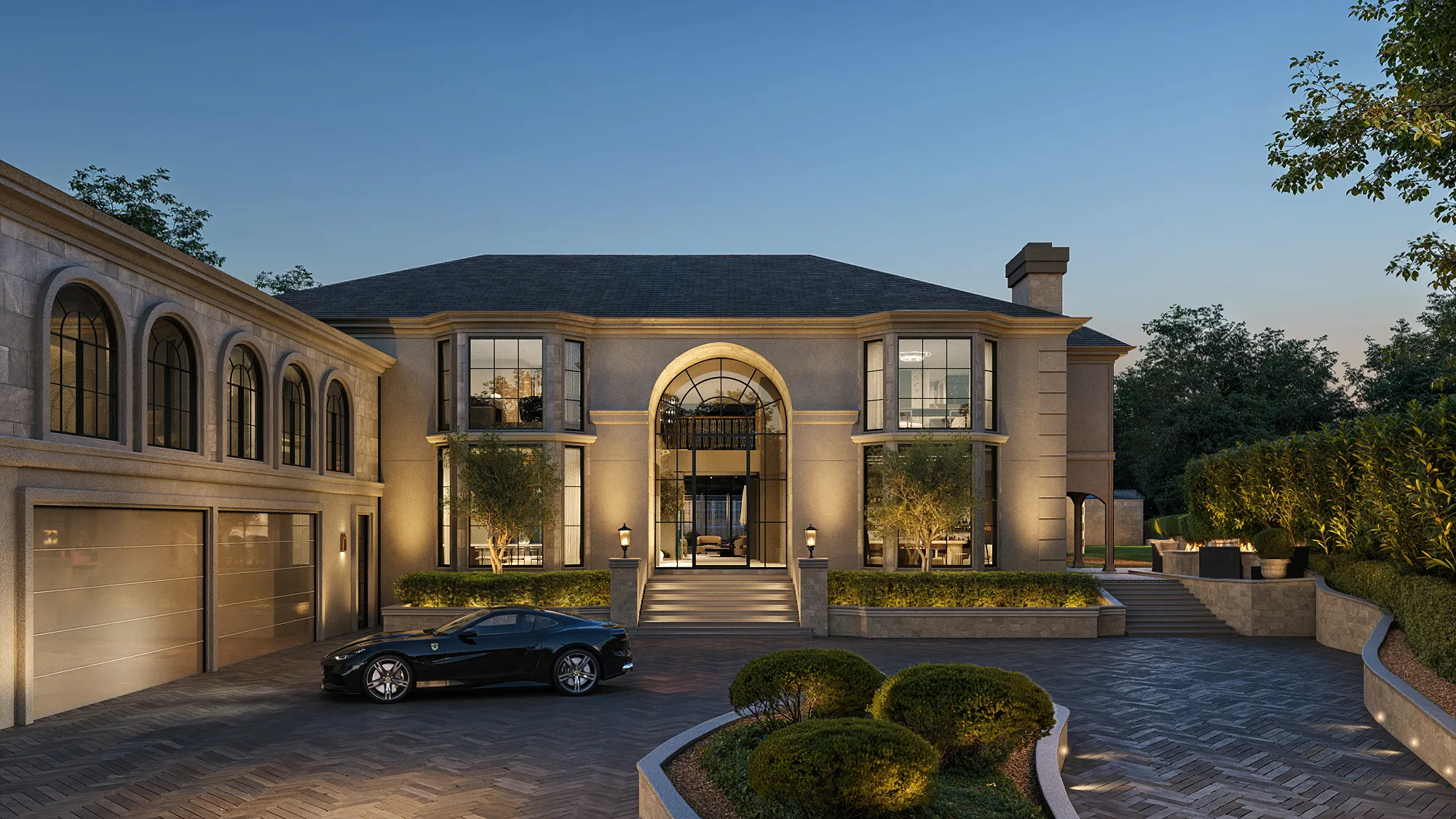
What Is Exterior Rendering?
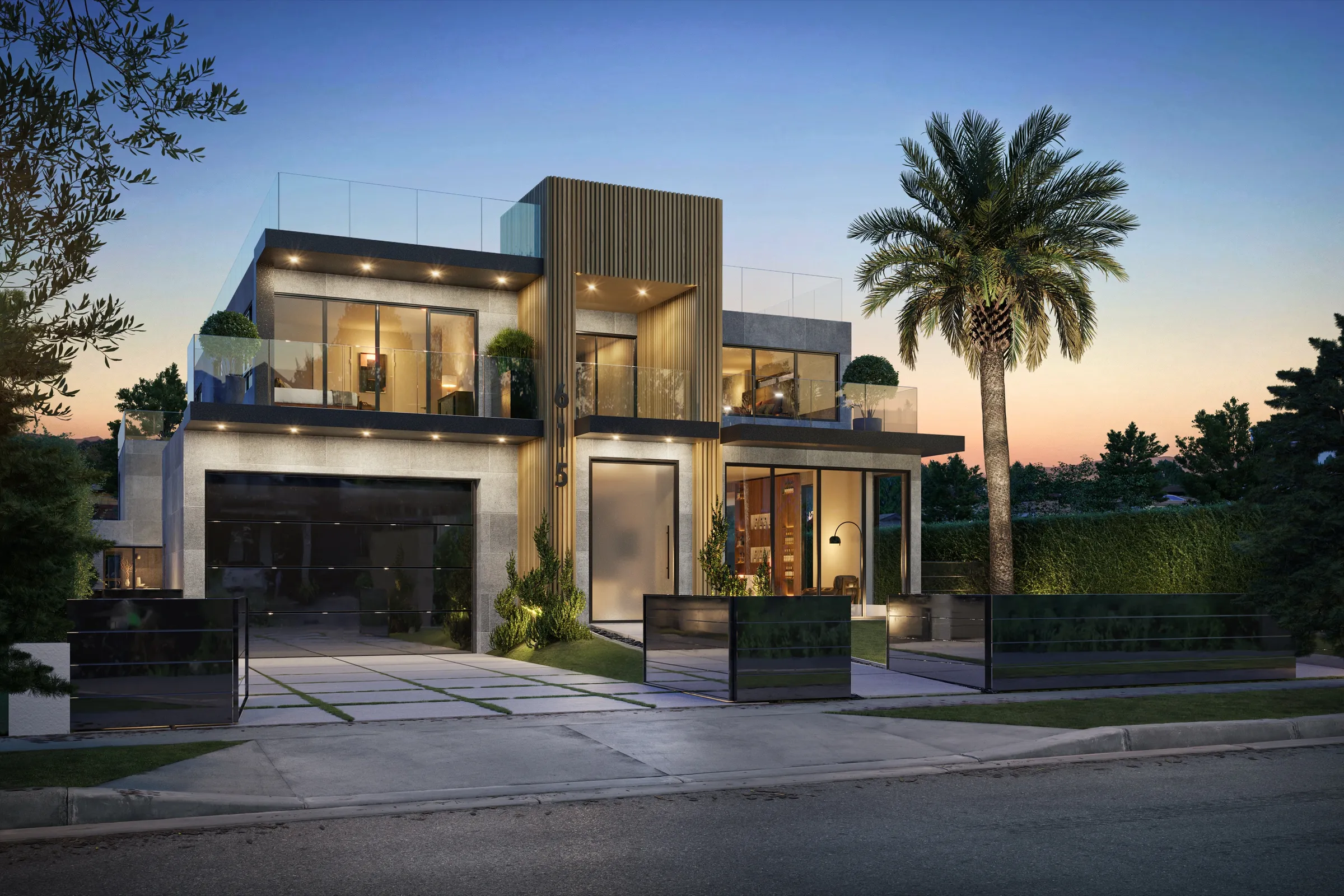
Exterior rendering shows the outside of a building, the façade, materials, landscaping, lighting, environment and street context. It’s the view people see first when they look at a development or a sales brochure. And it’s often the visual used to secure approvals or early investor interest.
Exterior CGI is used for planning applications, investment decks, brochure hero images, pre-sales launches, community consultations, and architectural presentations.
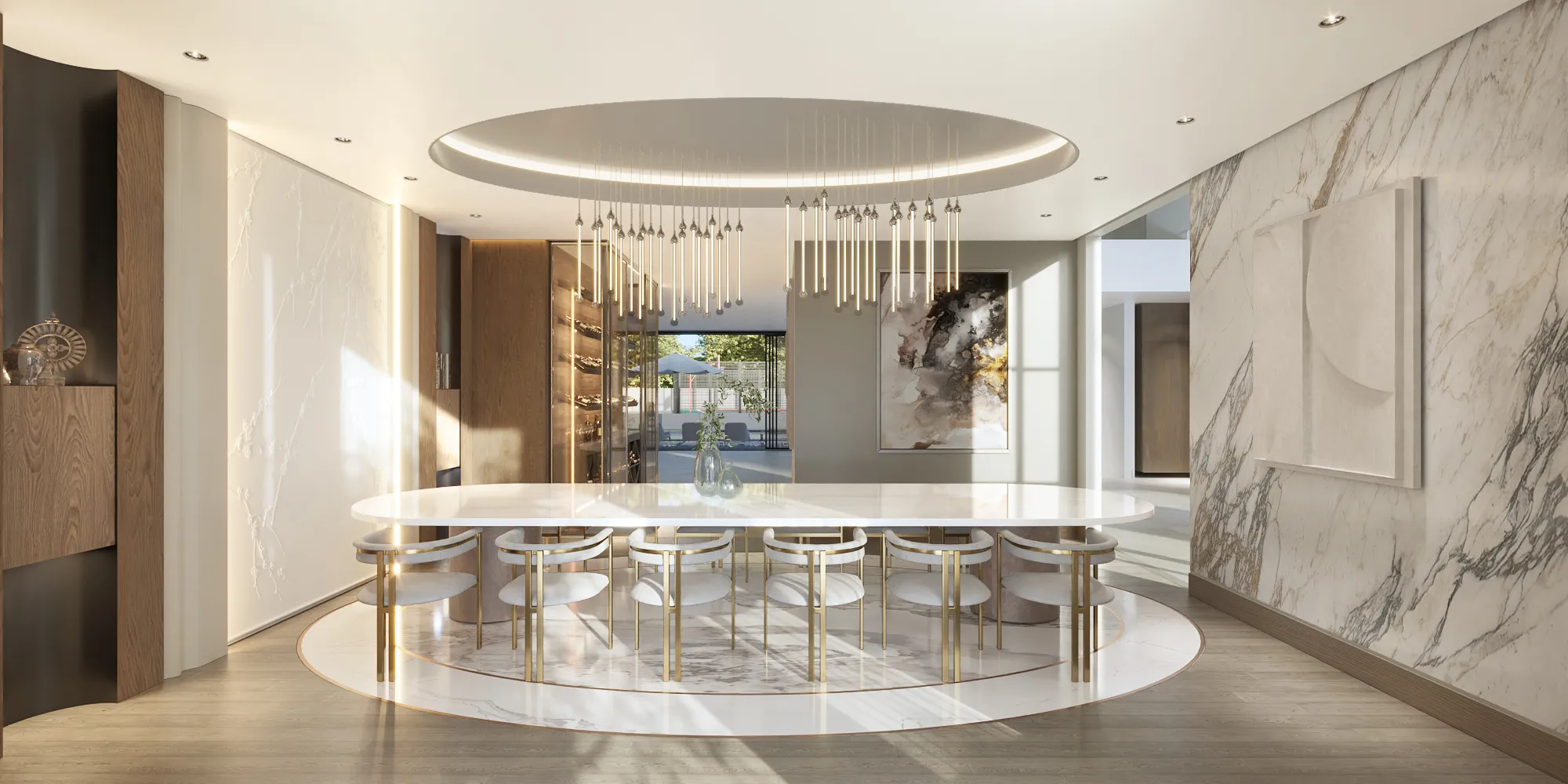
What Is Interior Rendering?
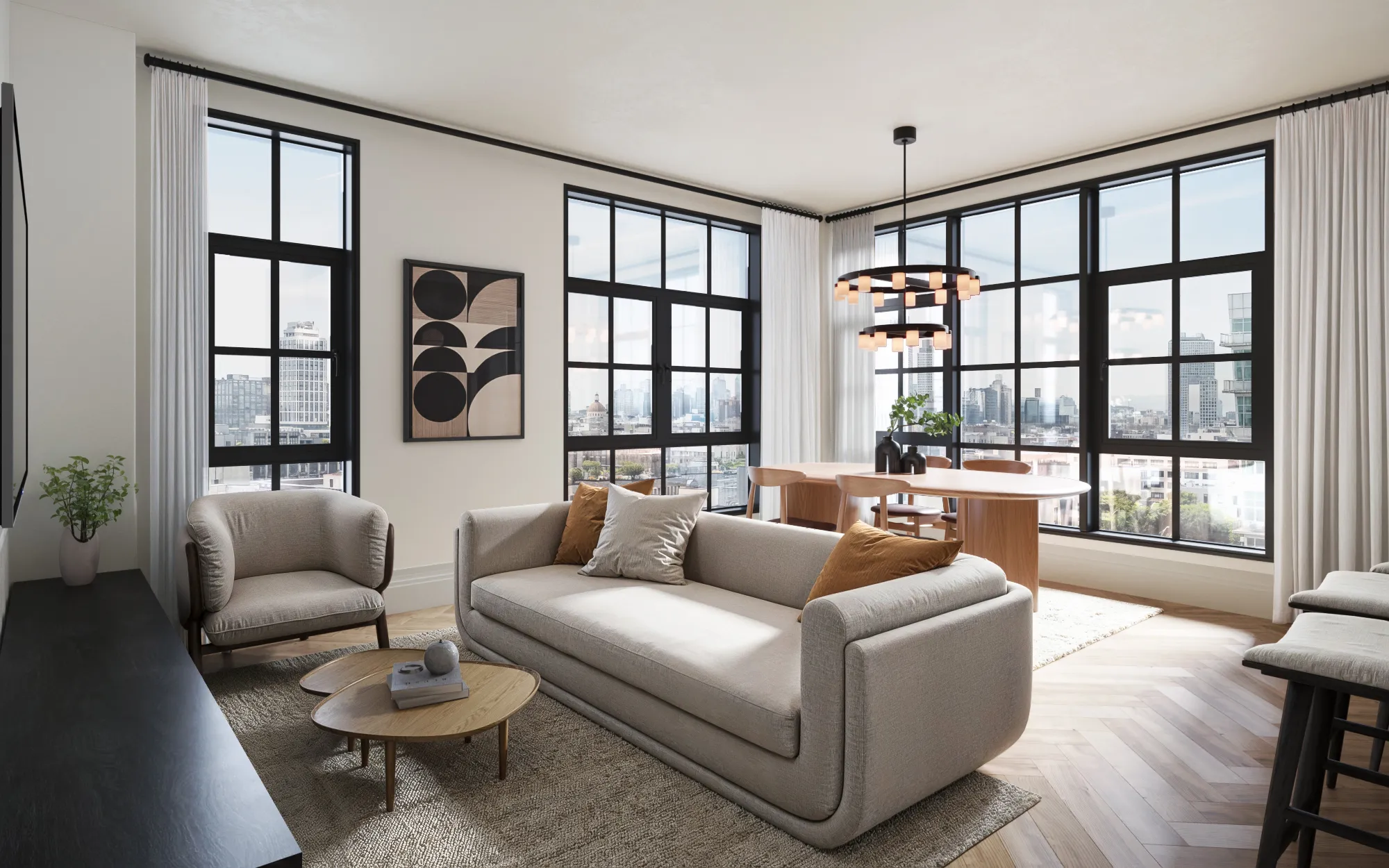
Interior rendering focuses on the inside of a space, the layout, the materials, the lighting, the furniture and the atmosphere. It helps people understand how a room feels, how it functions and how it supports day-to-day living. Where exterior rendering communicates architecture, interior rendering communicates lifestyle.
Interior CGI is used for interior design presentations, off-plan apartment sales, refurbishment proposals, hospitality and retail fit-outs, furniture and layout planning, and mood and material previews.
Goals & Audience: How They Differ
Exterior and interior renderings exist for different reasons. They answer different questions. And they speak to different people. Understanding this helps teams choose the right type of visual for the right moment.
Exterior Rendering, Who It’s For: developers, investors, planning boards, real-estate marketing teams, community stakeholders. These are people who need to see massing, materiality, streetscape impact and curb appeal.
Interior Rendering, Who It’s For: interior designers, homebuyers, hospitality operators, retail brands, renovation clients. This audience cares about layout, comfort, finishes and lifestyle.
Lighting, Tools & Technical Differences
Interiors and exteriors may use the same software. But the lighting, setup and workflow are completely different.
Exterior Rendering, Exterior scenes rely on natural light. Sun-and-sky systems define the main mood. HDRI skies add reflections, colour and atmosphere. Shadows, weather and environment help the building feel grounded. Scenes are large, but the detail per object is lower than interior spaces.
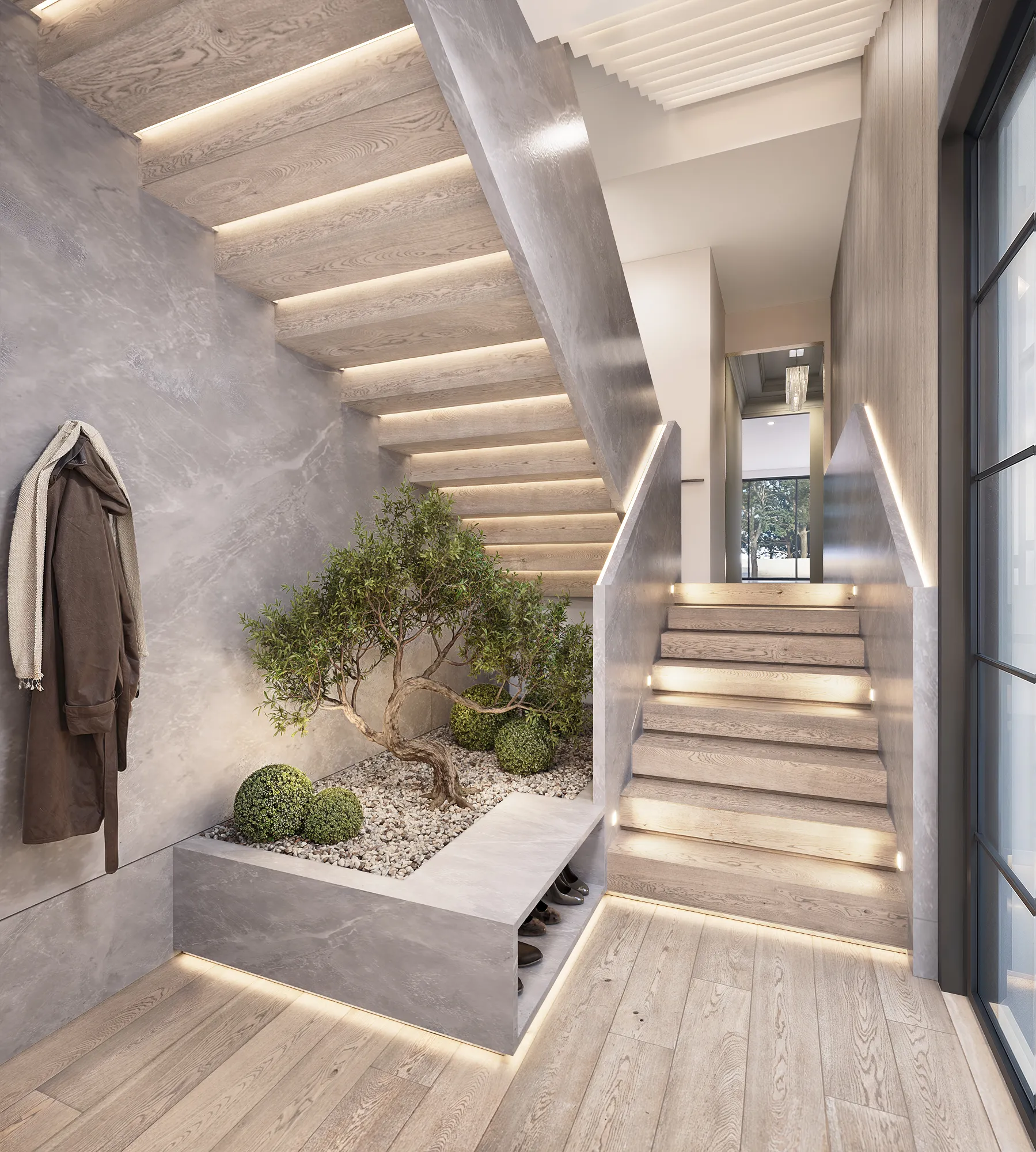
Interior Rendering, Interiors rely on full artificial lighting control. Lamps, downlights, ceiling fixtures and photometric lights shape the space. Global illumination is critical, light has to bounce realistically between walls. Materials and textures must withstand close-up viewing. Small details matter: stitching, fabric roughness, floor reflections.
Cost & Timeline: What to Expect
Exterior Rendering Costs & Timelines, Exterior scenes often cover large spaces, streets, landscaping, neighbouring buildings, driveways, sky and terrain. But the detail per object is usually lower. Lighting is simpler because it relies on natural sunlight and HDRI skies. For straightforward projects, this can mean a faster turnaround. However, environment modelling drives the cost. Adding detailed landscaping, complex façades or full streetscapes takes more time.
Interior Rendering Costs & Timelines, Interiors are small spaces packed with detail. Every material, finish, furniture piece and light source needs to feel believable at close range. This increases modelling time, texturing time and lighting work. Interiors also require more revisions because clients often refine design choices as they see visuals.
Because of this, interior CGI often matches, and sometimes exceeds, exterior timelines.
When to Use Each Rendering Type
Use Exterior Rendering When:
- You need planning or investor approval
- You want to show the façade, architecture and materials
- You’re launching a pre-sales or off-plan marketing campaign
- You need accurate streetscape or landscape context
- You want to demonstrate scale, massing or curb appeal
- You’re creating hero images for brochures or websites
Use Interior Rendering When:
- You want buyers to feel the lifestyle and atmosphere
- You need to present room layout or furniture placement
- You’re selling off-plan apartments or homes
- You’re developing a refurbishment or fit-out concept
- You’re showcasing finishes, materials or interior design style
- You need detailed close-up visuals for marketing
When combined, both rendering types give a complete picture, inside and out.
Conclusion: Use Each Rendering Type at the Right Time
Interior and exterior renderings aren’t interchangeable. They solve different problems. They speak to different audiences. And they help you communicate completely different parts of a project.
Exterior CGI shows the architecture, the environment and the bigger picture. Interior CGI shows the mood, the lifestyle and the details buyers care about. Together, they create a full visual story, one that helps you secure approvals, attract investors and sell off-plan with confidence.
FAQs
What is the difference between exterior and interior rendering? Exterior rendering shows the outside of a building, the façade, materials, landscape and surrounding environment. Interior rendering shows the inside, the layout, lighting, finishes and atmosphere.
Which type of rendering should I choose first? Start with exterior rendering if you need planning approval, investment materials or early marketing visuals. Choose interior rendering when you need to show lifestyle, finishes and how a space feels inside.
Why does interior rendering take longer? Interiors require more detail. Furniture, materials, textures and lighting all need to look realistic at close range. This adds more modelling and refinement compared to exteriors.
Is exterior rendering cheaper than interior rendering? Often yes, but not always. Exteriors can be faster when the design is simple. But costs increase when you need detailed landscaping, complex façades or full streetscapes.
Why is lighting so different between interior and exterior renders? Exteriors rely on sun-and-sky systems and environmental lighting. Interiors depend on artificial lights, bounce light and controlled exposure.
Can I use both interior and exterior renderings in the same project? Yes, and most projects do. Exterior CGI supports planning and marketing. Interior CGI supports sales, lifestyle storytelling and design decisions.
Do interior renders help off-plan property sales? Absolutely. Buyers want to imagine how a space feels inside. Interior rendering helps them visualise layout, materials and atmosphere long before construction starts.
References
Autodesk, Architectural Rendering Overview
Explains how architectural visualisation requires different lighting setups and scene compositions for interiors versus exteriors.
https://www.autodesk.com/solutions/architectural-rendering
Building Design + Construction, Exterior Visualisation & Context
Highlights how exterior CGI helps stakeholders understand façade treatments, massing, and integration with the surrounding environment.
https://www.bdcnetwork.com
Harvard Graduate School of Design, Interior Spatial Perception
Research discussing how interior space qualities (light, materials, mood, usability) influence emotional and functional perception.
https://www.gsd.harvard.edu
ArchDaily, Interior vs Exterior Design Focus
Regularly covers how interior imagery centres on materials, finishes, usability and atmosphere, while exterior imagery emphasises architectural identity and context.
https://www.archdaily.com
Chaos, Interior Rendering Workflow
Covers artificial lighting, global illumination, and material accuracy required to produce photorealistic interior CGI.
https://www.chaos.com/blog/interior-rendering-workflow
Chaos, Architectural Rendering Techniques (Exterior Rendering)
Breaks down sun/sky systems, environmental lighting, shadows, and exterior-scene composition.
https://blog.chaos.com/architectural-rendering-techniques
CGArchitect, Lighting & Workflow Differences
Explores how interior and exterior scenes require different exposure settings, light behaviour, and modelling approaches.
https://www.cgarchitect.com/features
Adobe Substance 3D, Material & Texture Accuracy
Emphasises how interior visualisation relies on high-fidelity materials, texture realism, and detailed surface mapping.
https://substance3d.adobe.com
Autodesk Area, Lighting for Interiors vs Exteriors
Explains how interior lighting depends on artificial sources and bounce light, while exterior rendering relies on natural sunlight and sky systems.
https://area.autodesk.com