
Real estate developers sell into a crowded market, where how a project is presented can matter as much as what it offers. The developments that stand out are the ones with a clear story: who the project is for, why it is worth the price, and why now.
Here are five practical tips for building a digital marketing strategy that tells that story, for a real estate development business of any scale, starting with the images every other channel depends on.
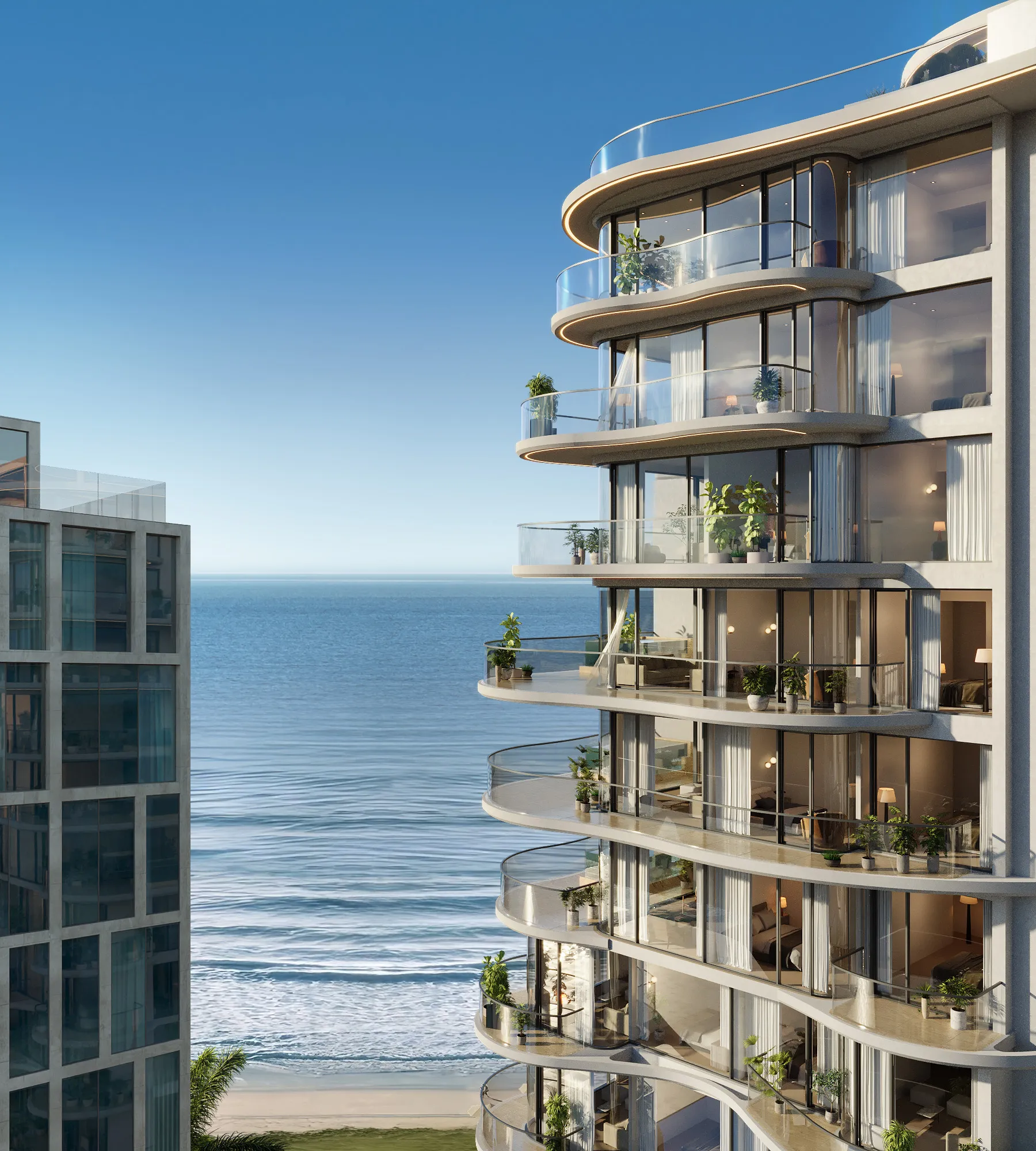
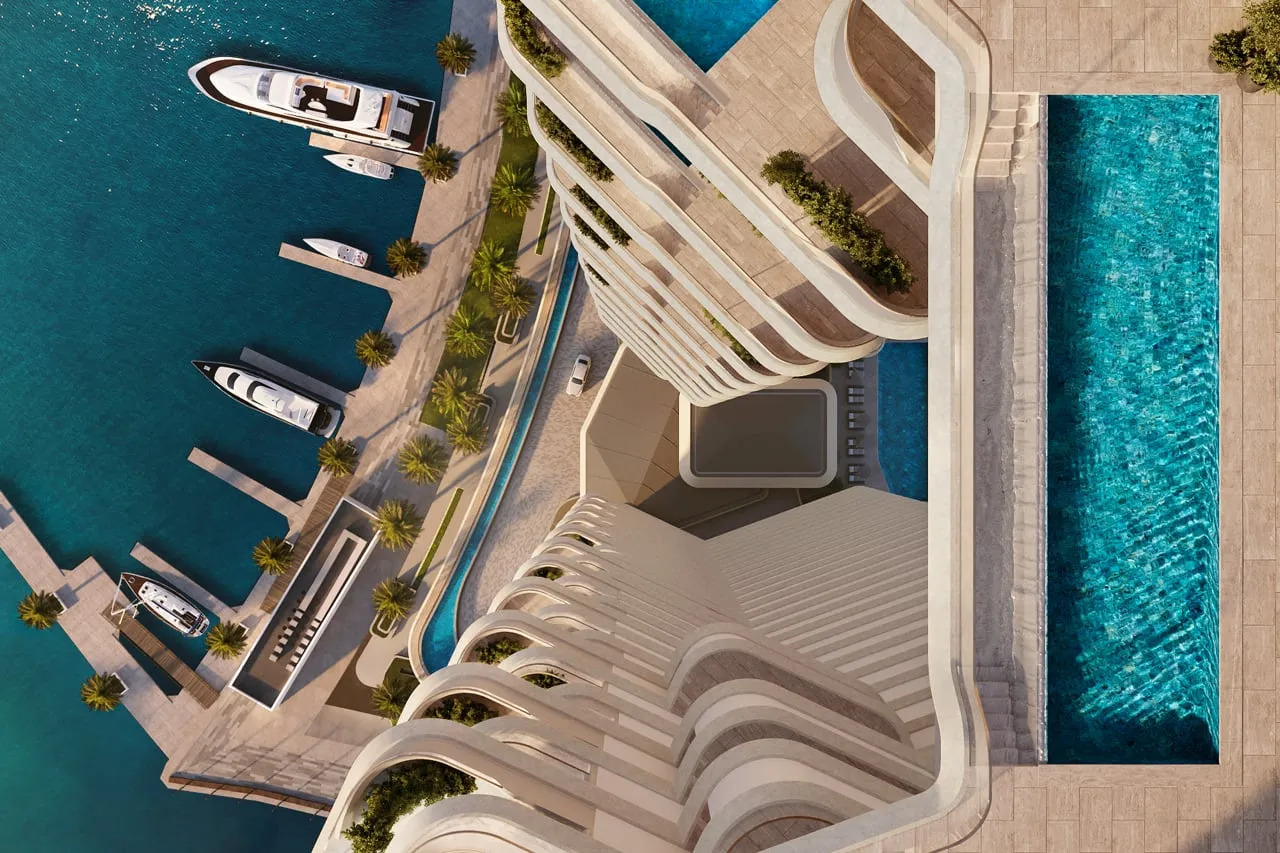
Try CGI and 3D Renders
Real estate development marketing involves a lot of content marketing, in an industry where properties are changing all the time. Potential buyers might want to see more of the development of properties you can no longer access or even development overviews of spaces that are not done yet.
A rendering studio gives every channel the same story to tell, generating leads with 3D mockups of completed spaces, breakdowns of floor plans, or even full-scale 3D time-lapses. The same set can be planned to serve the imagery for the capital raise as well as the sales launch.
Real estate developments can be tricky to photograph in convincing ways, but the real estate market has a good track record with 3D renders. You can sell spaces based purely on 3D projections, use them as email marketing images, or even post YouTube videos of the time-lapses so that they appear in search engines like Google.
Strengthen Your Social Media Presence
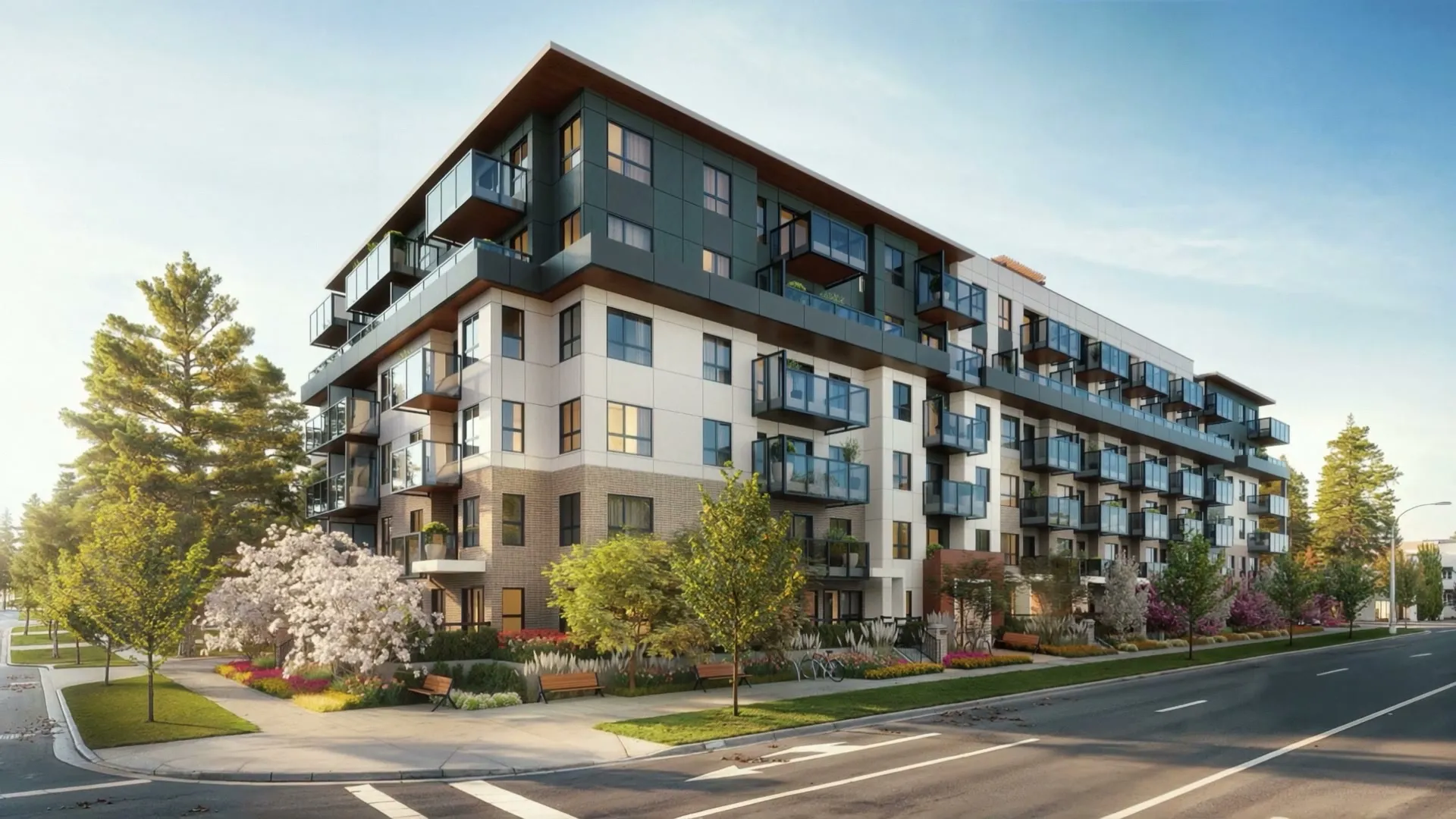
The online world can be very competitive, and there is no better way to improve your marketing strategies than to get a stable hold on online platforms. Your social media platforms are an ideal way to sell your company and brand, so success there translates to increased profits, more sales, and a larger client base.
It is crucial to showcase what your team can actually do and to share content that gets people invested in your business, especially when implementing an effective Instagram strategy for architects. By utilizing these platforms, you not only engage your audience but also establish trust and credibility in the architectural industry.
Turning visitors into qualified leads is always the hardest step, and paid ads will not drive traffic effectively if you are not actually presenting anything worthwhile. Before you commit to a marketing strategy, you need a stable, strong starting point that you can always rely on.
Refine Your Real Estate Developer Website
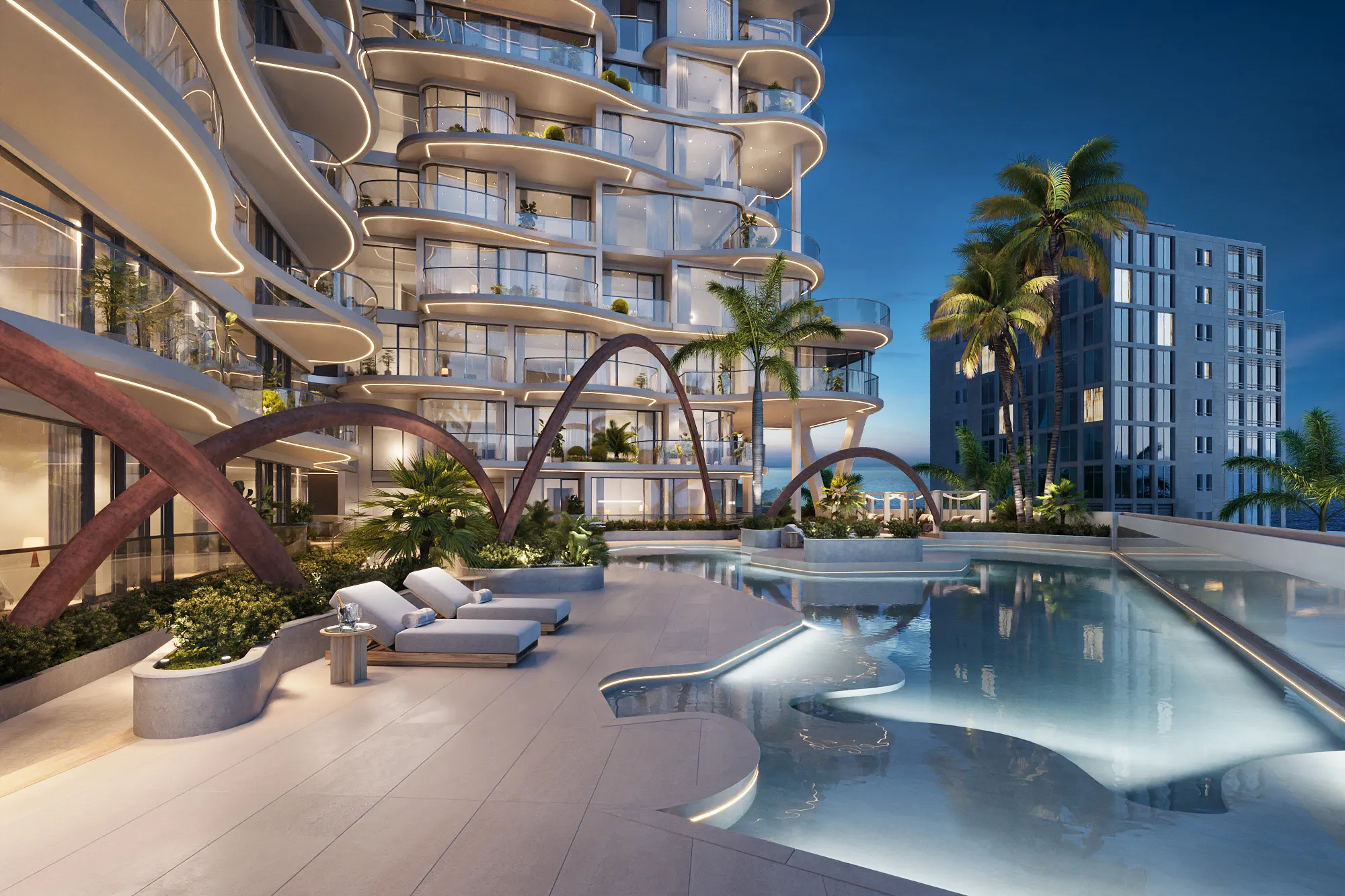
Your greatest sales tool is your own website content. Leading potential customers to your website through advertising means nothing if you can’t maintain their interest and sell your brand to them. Sales funnels matter.
If you want your target audiences to actually convert, then you need to do things that will actually bump that conversion rate up. This could include adding things like:
- An “about” section
- A front-page that makes a strong first impression
- An easy-to-access contact page
- Links to your most popular services
- A blog or news section
- Subtle marketing material (banners, navigation buttons, etc.) for lesser-known services
- More nudges towards sales funnels
Site Content
Most importantly, you should create quality content to post on your site’s main pages. Whether this is news about awards you have won, details about upcoming events, or just filler posts, it can make potential clients feel more secure investing their time and money into you.
Whatever you plan to do, remember that you need to build a decent website for yourself, then spread from your website to other relevant websites. Your website is the place that you lead a customer back to, and it is also going to appear in search results.
Create Personal Real Estate Development Content
Real estate developers often struggle with talking to clients at an individual level, but personalized material is the most effective marketing strategy of the modern era. Customers demand attention, and your company’s reputation can change based on how you handle those interactions.
Visitors (and potential clients) will share a lot about themselves during their time on the internet. Details like their occupation, gender, personal preferences, names, and even their location can all have incredible value.
A young couple looking for a quiet apartment away from traffic will invest in different things to a first-time homeowner wanting something in the heart of a big city, but both are buyers. Spend some time creating personal campaigns and pointing them at the right target audience.

Use Paid Marketing Strategies
There’s nothing wrong with paid advertising. Paid campaigns can reach a wider audience than you could manage on your own.
The cost of these methods varies with many factors. Picking the right keywords, gathering leads and investing in new software can all be very stressful for a single business owner or even a small team.
Paid marketing puts you in better hands and gives you some much-needed assistance when trying to build a digital marketing strategy, develop marketing collateral, or compete with other real estate developers in the industry.
Put the Five Tips in Order: Sequence the Launch
The five tips work best in a set order, because each channel needs something to show. A practical sequence for a development that sells before it is built:
- While the design is being finished: plan the imagery. Decide the hero exterior, the amenities and one interior per unit type, and whether a film or virtual tour is worth it. One model can serve the capital raise, the planning submission and the sales launch.
- Before the reservation list opens: the website, a short film or the key renderings, and a simple way to register interest. This is when social media and early paid campaigns start pointing people somewhere worth landing.
- At reservations: personal follow-up with everyone on the list, a sales gallery or virtual tour for serious buyers, and brokers briefed with the same material.
- At launch: the full campaign across every channel, all from the same set of images, so the project looks the same wherever a buyer meets it.
For condominium launches, see how to pre-sell luxury condos; for the full set of materials, the real estate developer pre-sales toolkit.
Conclusion
Start with CGI and 3D renders that show buyers a project they can believe in, then strengthen your digital presence, refine your website, create personal content and use paid campaigns where they earn their place, including the luxury real estate marketing ideas above. Decide first what the project has to achieve, then let every channel show the same renderings.
If you are planning the visuals for a development, tell us about your development. We review every enquiry personally and come back with how we would approach it.
Frequently Asked Questions
When should a developer start marketing a new project?
Before the first unit is offered. The images, the film and the website need to exist when the reservation list opens, which means planning them while the design is still being finished. Starting late usually means launching with whatever material is ready instead of the material the project deserves.
What marketing materials does a pre-sales launch need?
A small, consistent set: a hero exterior, the main amenities, one strong interior per unit type, floor plans, and ideally a short film or virtual tour. The same set then carries the website, the brochure, the listing, the sales gallery screens and paid social, so every channel shows the same project.
Do renderings help sell off-plan units?
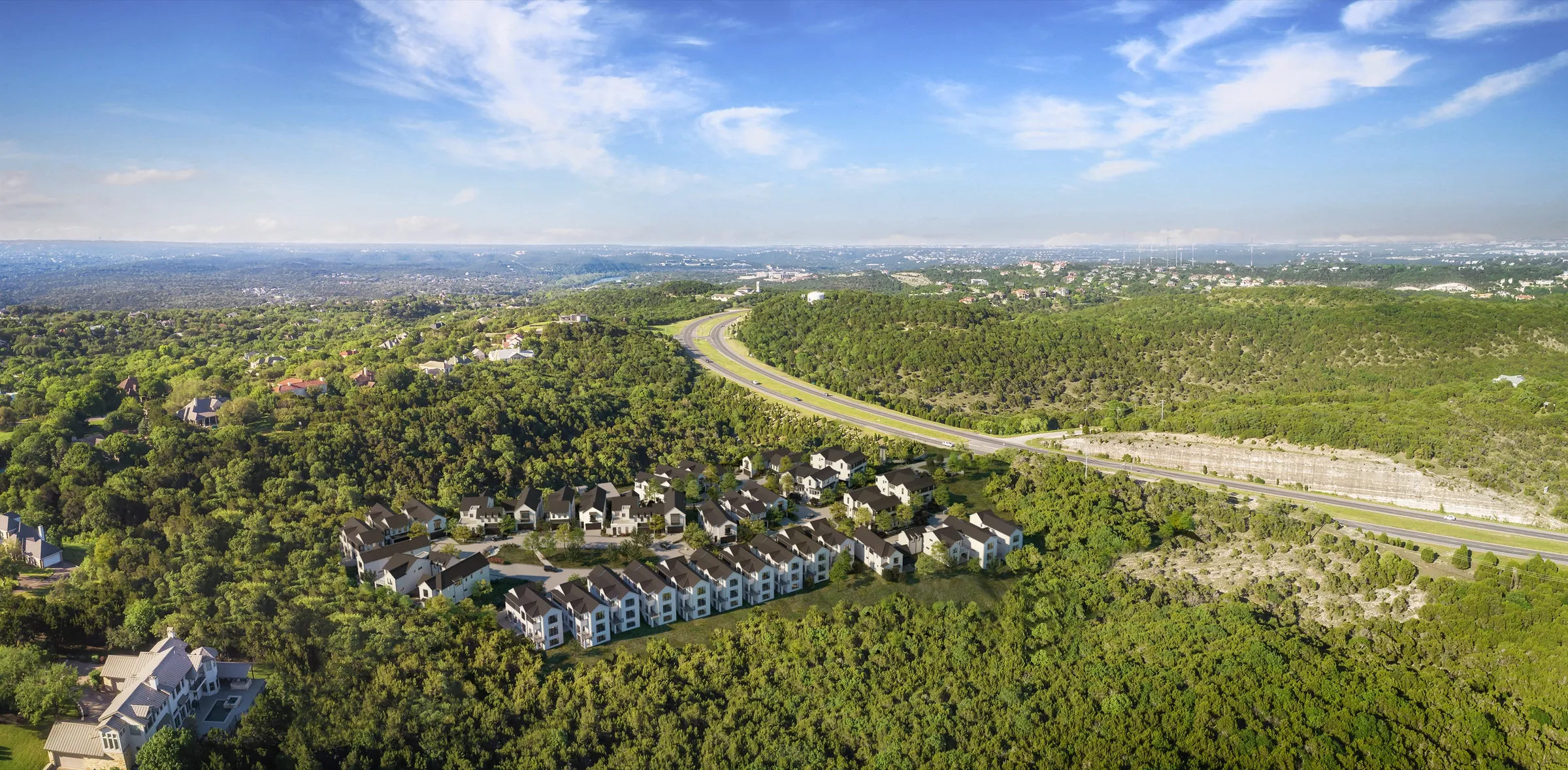
They are often the only way a buyer can see an unbuilt home. The Addie at Westlake, a 46-home gated community in Austin, launched pre-sales on a full rendering suite before any home existed and sold out off-plan by spring 2021.
Should a developer market before planning approval?
Quietly, yes. Building interest early (a holding page, a reservation or interest list, conversations with brokers) is common, but public sales material should follow what the approval allows. Rendering the design honestly at the planning stage also means the same model can be carried into the sales images once the design is approved.