
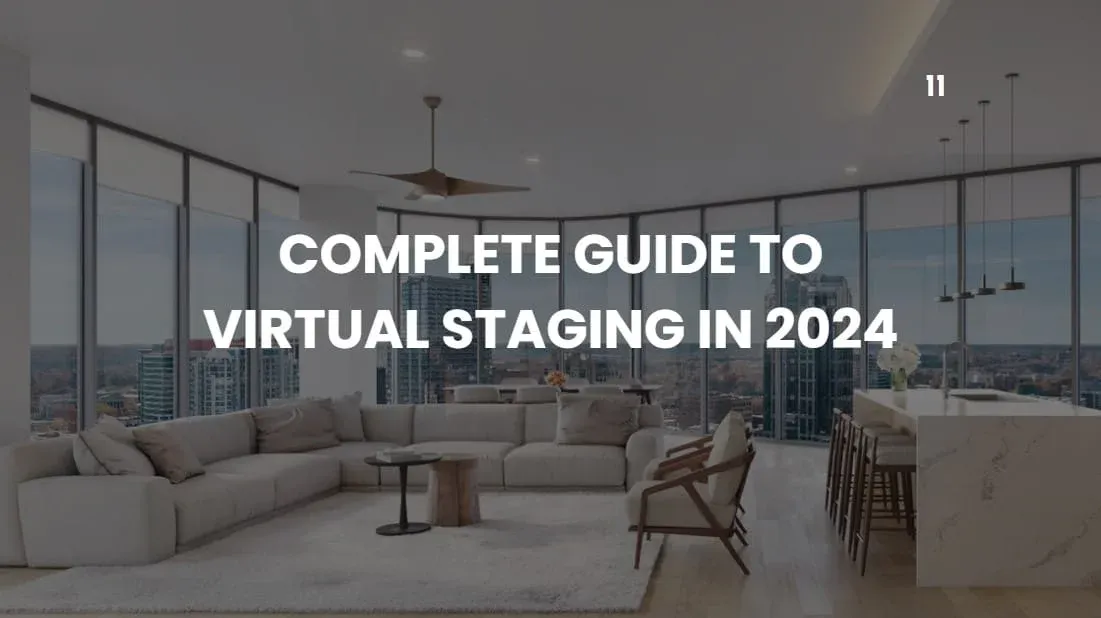
Complete Guide To Virtual Staging In 2024

Eddie Kingsnorth·November 19, 2025 · 13 minutes
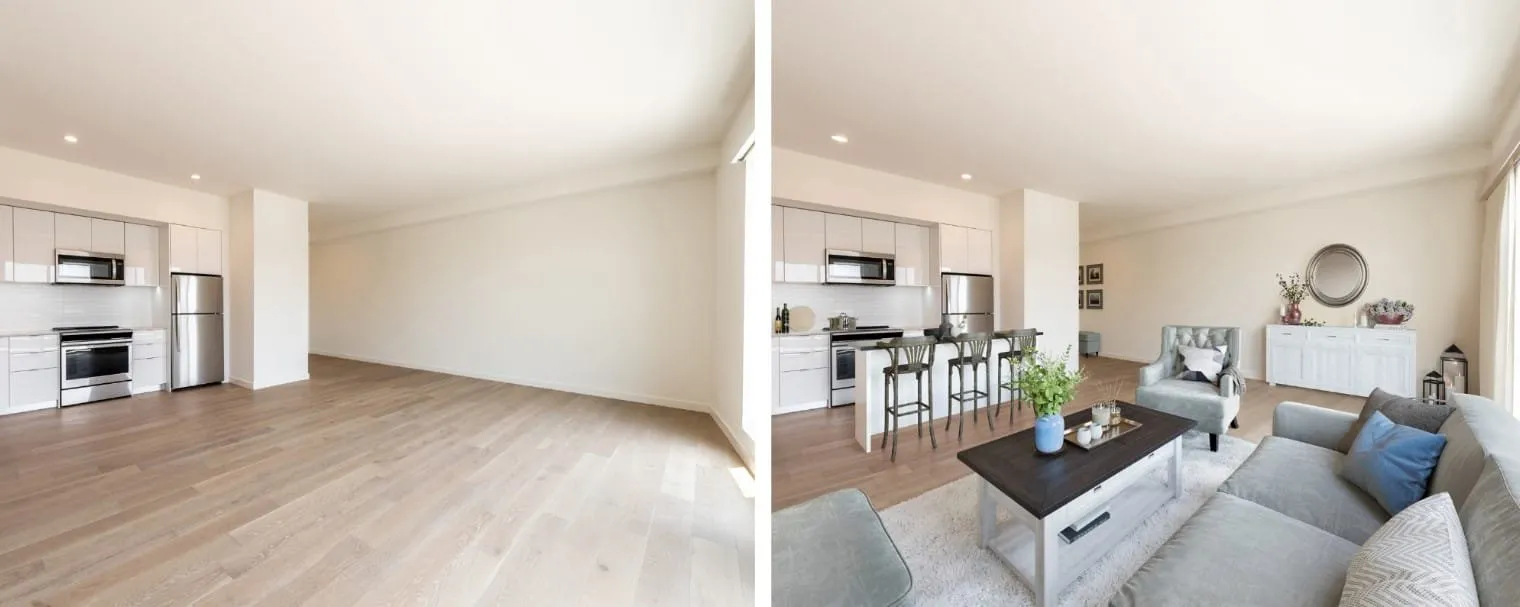
Virtual Staging is a modern and alternative method of increasing the selling potential of a home. It involves using a photo of an existing space (empty or with furniture) and adding new furniture or replacing existing items to make the property more visually appealing, making it easier to market and sell.
What is Traditional Home Staging?
Traditionally, the only solution for furnishing a space or enhancing existing furniture is to do this physically, buying and replacing furniture with better models. It’s effective but time-consuming and expensive, costing thousands to tens of thousands of dollars.
What is Virtual Staging?
Virtual Staging is an alternative that involves using photos of the existing property and embellishing them by adding furniture, accessories, and changing colors, making them more visually appealing without spending thousands of dollars on actual furniture.
What Homes Is Virtual Staging Suited For?
Vacant Homes, The ideal type of property. Once the client takes photos of the vacant property, the virtual staging company digitally adds furniture and makes changes to accessories and colors.
Homes With Unattractive Furniture, A cheaper option than removing old furniture and installing new ones. Virtual staging digitally replaces the furniture with better pieces.
Improving Properties That Are Already Rented, Traditional staging isn’t feasible when there are already people living in a property. Virtual improvements are more attractive than waiting for an unoccupied property.
When Isn’t Virtual Staging A Great Fit:
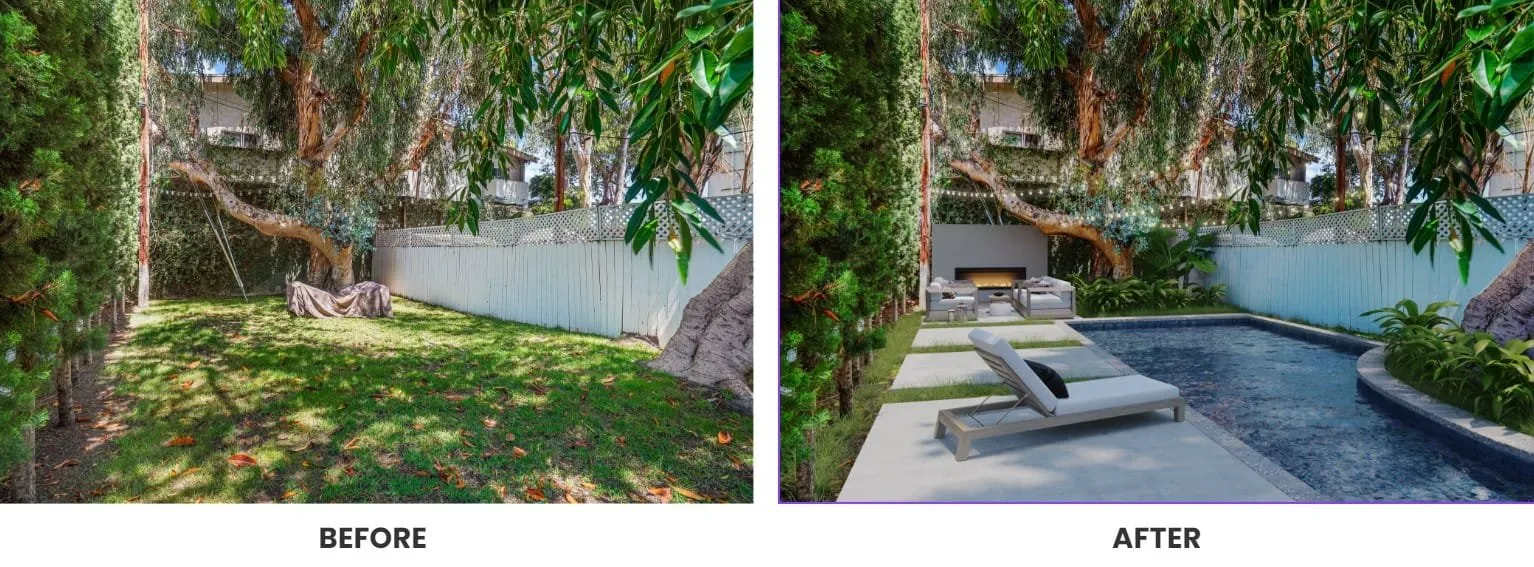
1. Making Changes to Exteriors of Homes, Virtual staging works for interior spaces but becomes trickier with exteriors. More often than not, the property needs to be redone in 3D to make changes.
2. Major Changes to the Interior Design, If you’re looking to knock down walls, make big layout changes, or do a complete makeover, 3D rendering is required.
3. Unfinished Properties, Virtual staging isn’t feasible as the client can’t provide a photo of the space. 3D rendering is required to rebuild everything and create a photorealistic interpretation.
Virtual Staging vs. Real Staging
1. Traditional Home Staging
Benefits
Allows the Buyer to Actually Visit the Property, The buyer can walk through it for a fully immersive experience.
Top Quality Service, Traditional stagers have lots of experience and a solid understanding of which features should be enhanced.
Cons
Expensive, Costs start around $3–4k and can range to tens of thousands depending on requirements.
Long Turnaround, A time-consuming process; even longer with repairs or painting.
Maintenance, Requires upkeep to stay tidy and visually attractive.
2. Virtual Staging Solution
Benefits
Makes a Property Look Significantly Better with Minimal Work, Add decent looking furniture at low cost to massively increase visual appeal.
Convenience/No Physical Efforts Required, Everything done digitally.
Quick, Done in a matter of days without headaches.
Cost, Much more cost-effective than traditional staging.
Cons
Can be Misleading if Done Incorrectly, Make it clear an image has been virtually staged (usually with watermarks).
Need to Find the Right Company, Cheap options can do more harm than good.
Limits when visiting the space, Buyers visiting will see an empty room or outdated furniture.
Options You Have When it comes to Virtual Staging
1. Learning – How to Do Virtual Staging Yourself
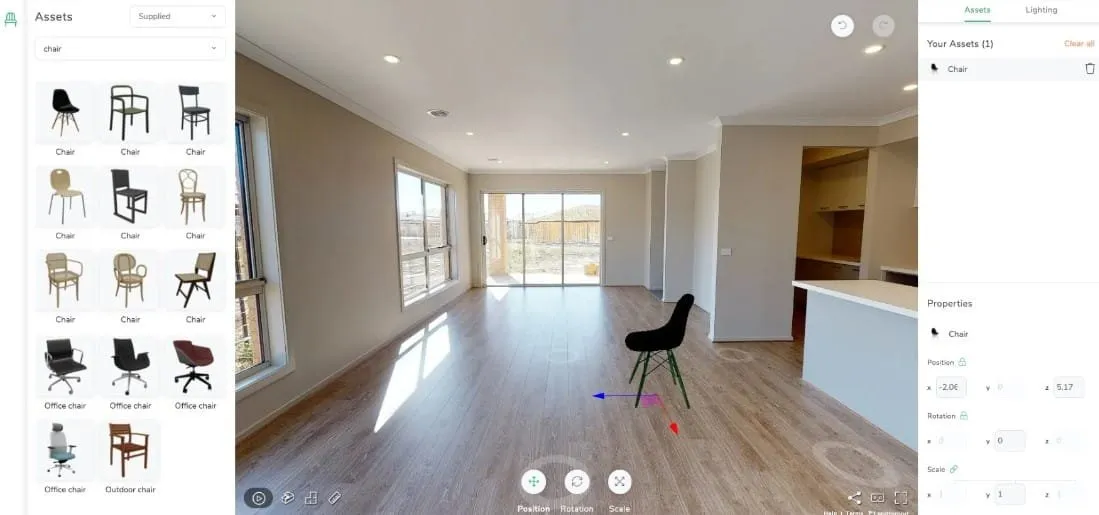
DIY Virtual Staging involves learning to use virtual staging software. Common apps and software:
- Autodesk 3ds Max (with Corona or V-Ray plugins)
- Adobe Photoshop
- Adobe Lightroom
It takes time to master, several hours of training and probably a few courses. Also requires a strong eye for design, a decent computer, and access to a 3D model library.
2. Working with a Company
The best option for the vast majority of people. Provide good quality photos and a rough idea of the style; the company handles the rest. Costs vary, but generally $20–200 per image.
Virtual Staging vs. 3D Rendering A Better Option?
Virtual staging is great for many people, but doesn’t work for everyone. 3D rendering can be a better option when:
The Property hasn’t been complete yet, Virtual staging requires actual photos of a finished space.
You Want to add custom furniture, 3D Rendering is more suitable as the company can rebuild the space in 3D and create furniture from scratch.
You Want to Experiment with the Design, 3D rendering offers more freedom for being creative and testing different ideas.
Exteriors, Virtual staging is difficult for exteriors. Most likely the property needs to be rebuilt in 3D.
Conclusion – When Should I Use Virtual Staging?
Virtual staging is a great cost-effective option for those looking to show a property in a better light and able to get decent quality photos of a property. If the property is completely unpresentable, don’t expect virtual staging to perform miracles, you may be better off with other methods such as 3D rendering.