Top Benefits of 3D Exterior Rendering for Architects and Developers

Lukas Berezowiec · CEO of NoTriangle Studio·December 4, 2025 · 8 minutes
Every great design starts with a vision, but bringing that vision to life isn’t always simple. That’s where 3D exterior rendering steps in. It turns technical plans into clear, realistic visuals that help everyone, from architects and developers to investors, see exactly how a project will look before construction begins.
For architects, it’s a tool for precision and presentation. For developers, it’s a way to speed up approvals, attract investors, and market properties long before the first foundation is poured. Simply put, 3D rendering bridges the gap between imagination and reality.
Communication Made Clear
When you’re working on a building, not everyone speaks “architect.” Blueprints and CAD files can look like another language to clients, investors, or planning boards. That’s where 3D exterior rendering changes everything.
A good render turns complex design data into a clear visual story. It helps people understand the materials, proportions, and atmosphere of a space, without needing to interpret technical drawings. Whether you’re showing how sunlight hits a façade or how landscaping shapes the entryway, visuals remove confusion and bring everyone onto the same page.
This clarity builds confidence. Clients see what they’re getting, teams collaborate more efficiently, and approvals move faster because the vision feels tangible.
Cost and Time Savings
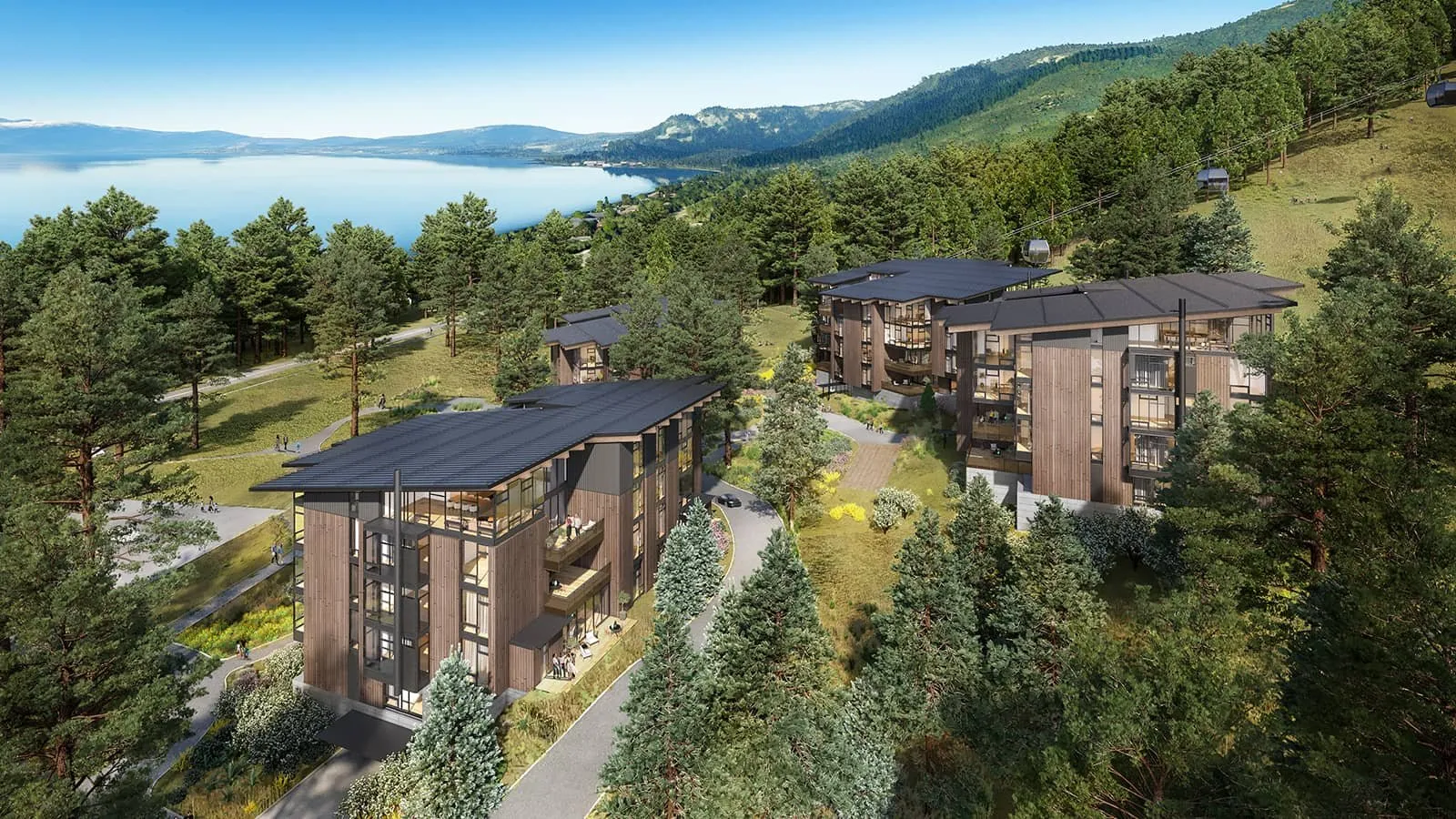
Design changes are part of every project, but they don’t have to be expensive surprises. One of the biggest advantages of 3D exterior rendering is how it helps you spot potential issues before they turn into costly mistakes on-site.
When architects and developers can visualize materials, layouts, and lighting early, they can make smarter decisions faster. You can test different façades, tweak angles, or adjust landscaping, all in a digital environment, long before construction begins. This means fewer revisions, less rework, and more predictable budgets.
Renderings also make collaboration faster. Instead of waiting for multiple design rounds or physical models, teams can share visuals instantly, gather feedback, and keep the project moving.
Better Approvals and Funding
When a design looks real, it’s easier to believe in. That’s why 3D exterior renderings are such powerful tools during the approval and funding stages of a project.
Planning boards, councils, and investors all want clarity. A realistic render helps them visualise exactly what’s being proposed, how the building sits within its environment, how materials interact, and what the finished project will actually feel like. This reduces uncertainty and builds trust.
For developers, these visuals can make the difference between a “maybe” and a confident “yes.” Photorealistic images show the true potential of a project, helping to secure funding faster and move approvals through without endless back-and-forth.
Marketing and Investor Relations
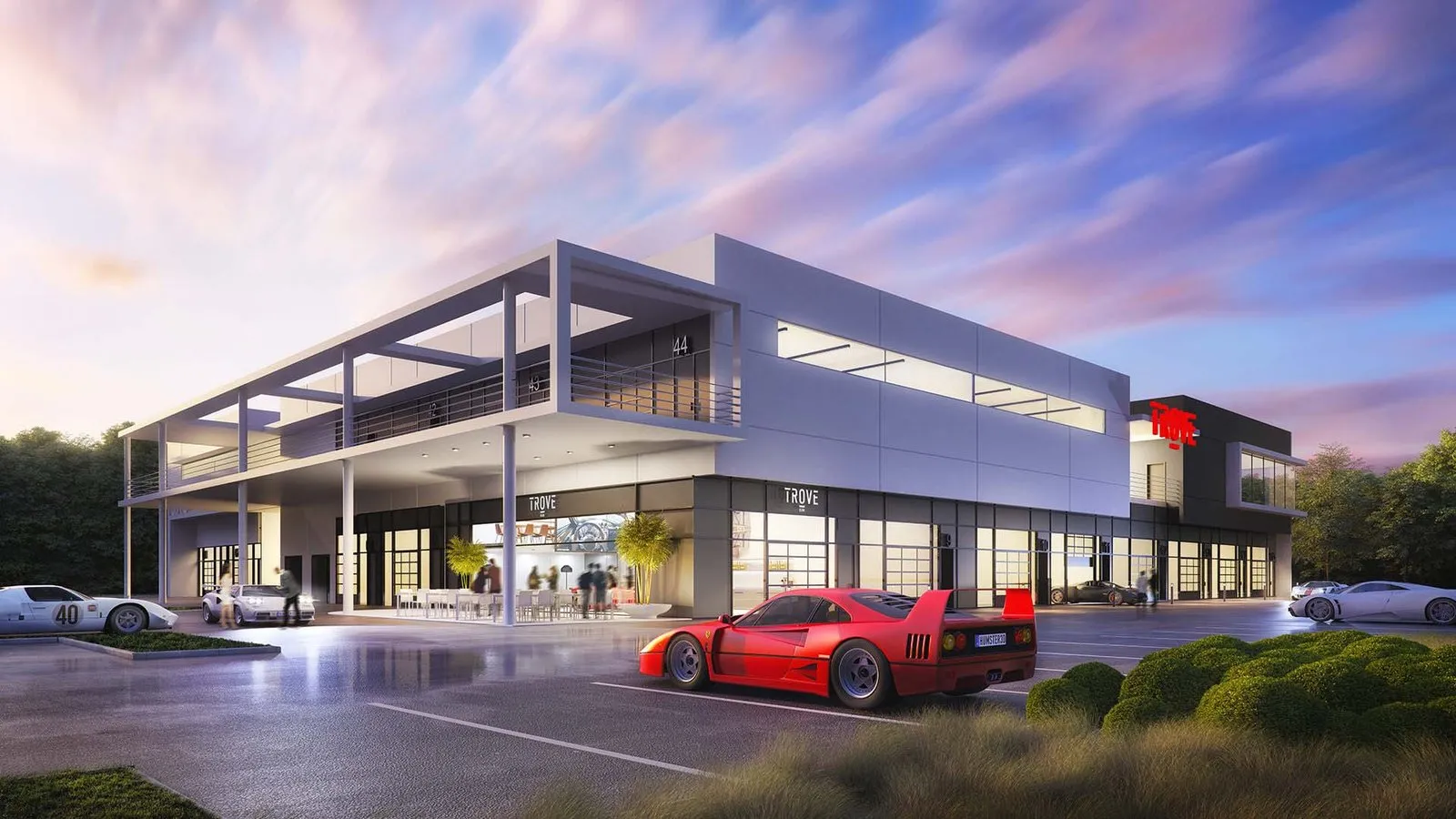
A great render doesn’t just show a design, it sells it. For developers and marketers, 3D exterior rendering has become one of the most effective tools for showcasing projects before construction even begins.
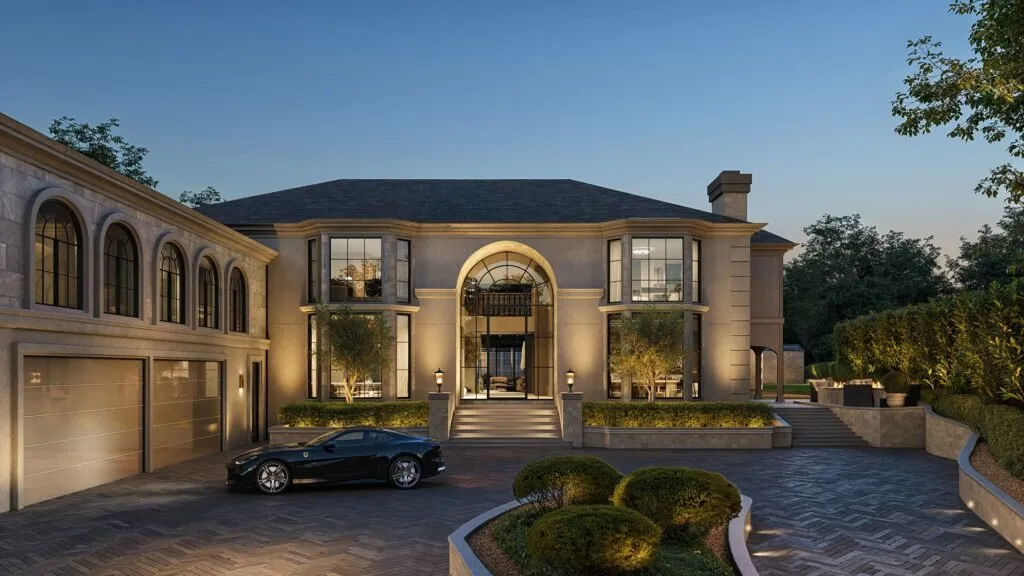
Photorealistic visuals bring brochures, websites, and investor decks to life. They help potential buyers and partners imagine the finished building, not just as a structure, but as a place to live, work, or invest in. When you can show light reflecting off glass, greenery shaping a courtyard, or the energy of a streetscape, people connect emotionally with the design.
It’s also an incredible marketing asset. Renderings can be adapted for social media campaigns, digital ads, and even virtual reality presentations, making your project stand out in a crowded market.
Context Realism (Urban vs Rural Examples)
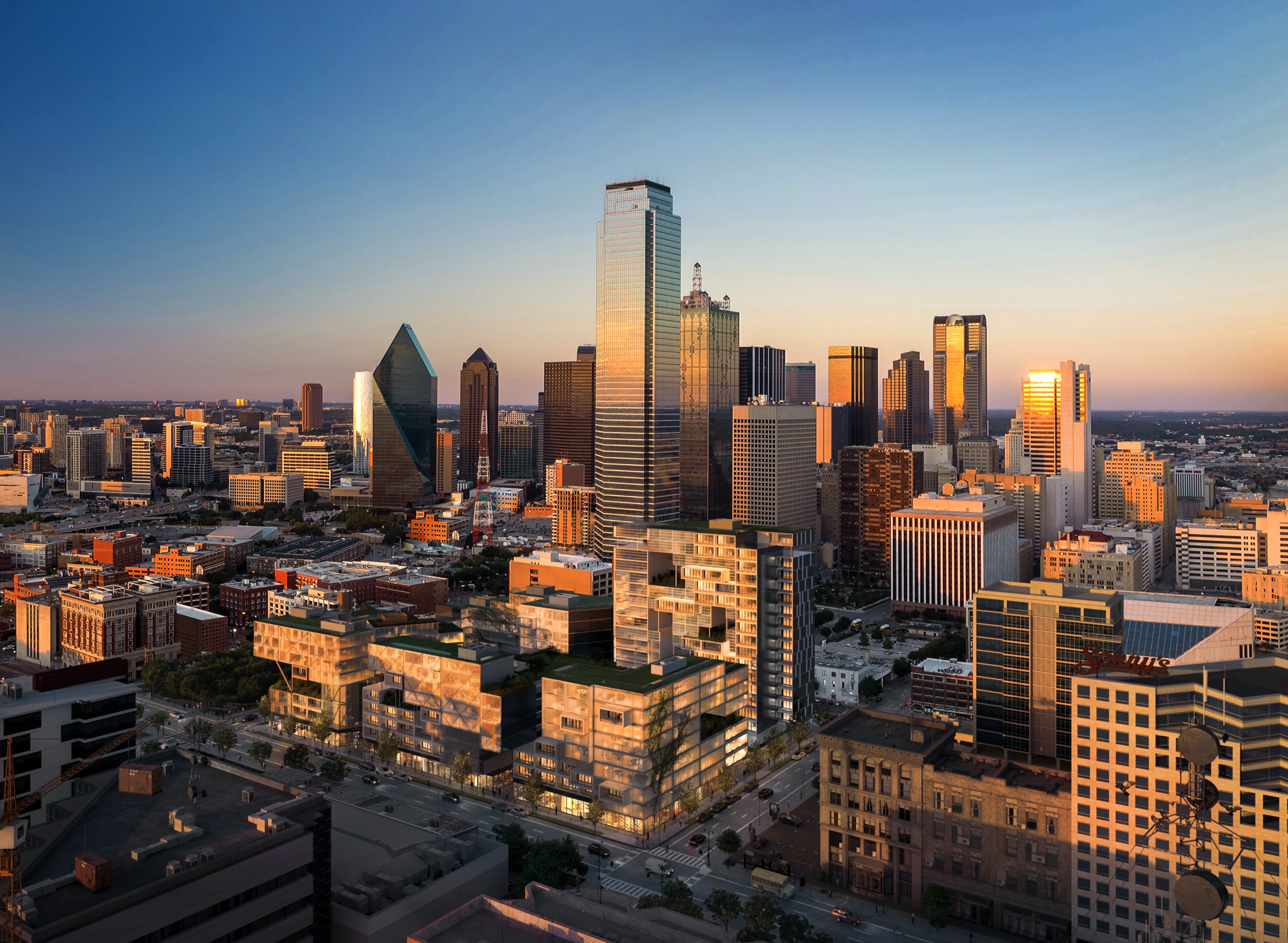
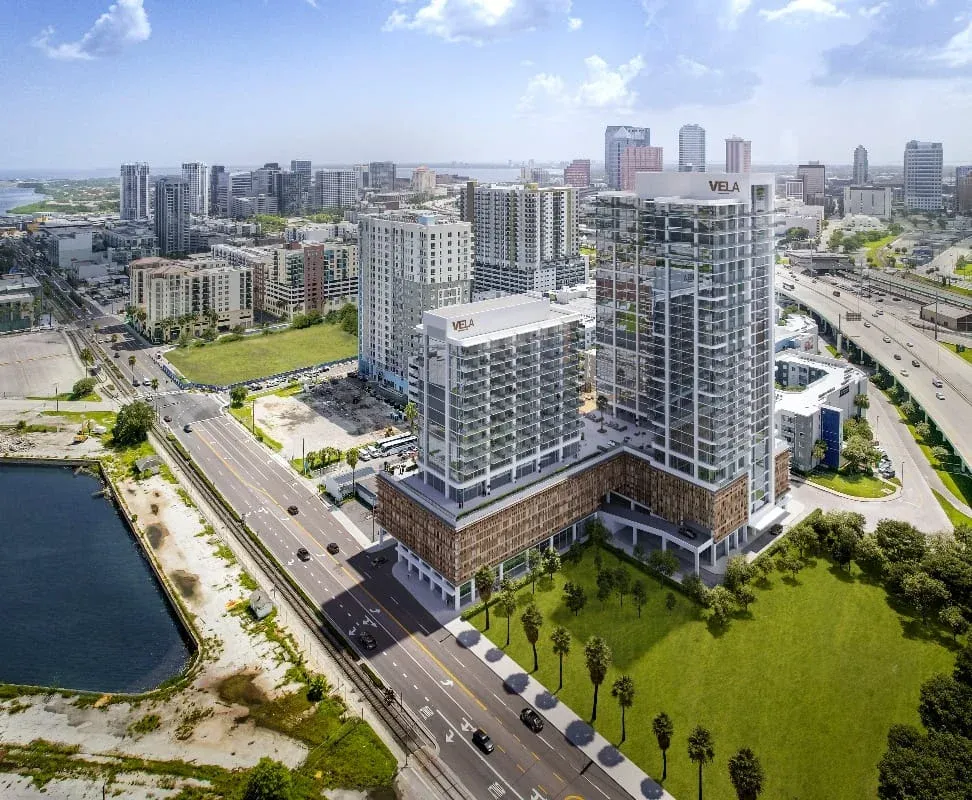
A building never exists in isolation. Its surroundings, the light, the landscape, the neighboring structures, all influence how it feels. That’s why context realism is such an important part of 3D exterior rendering.
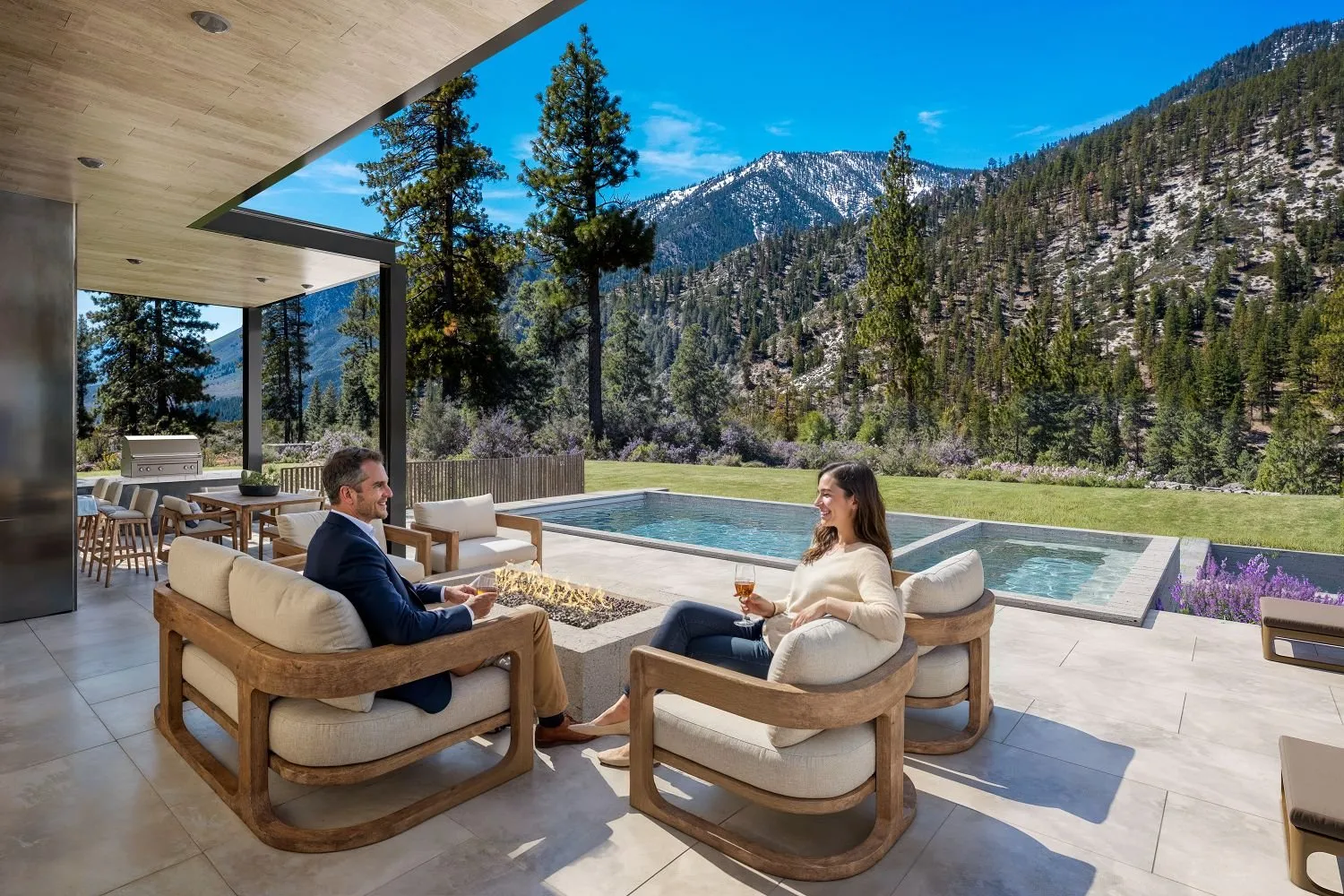
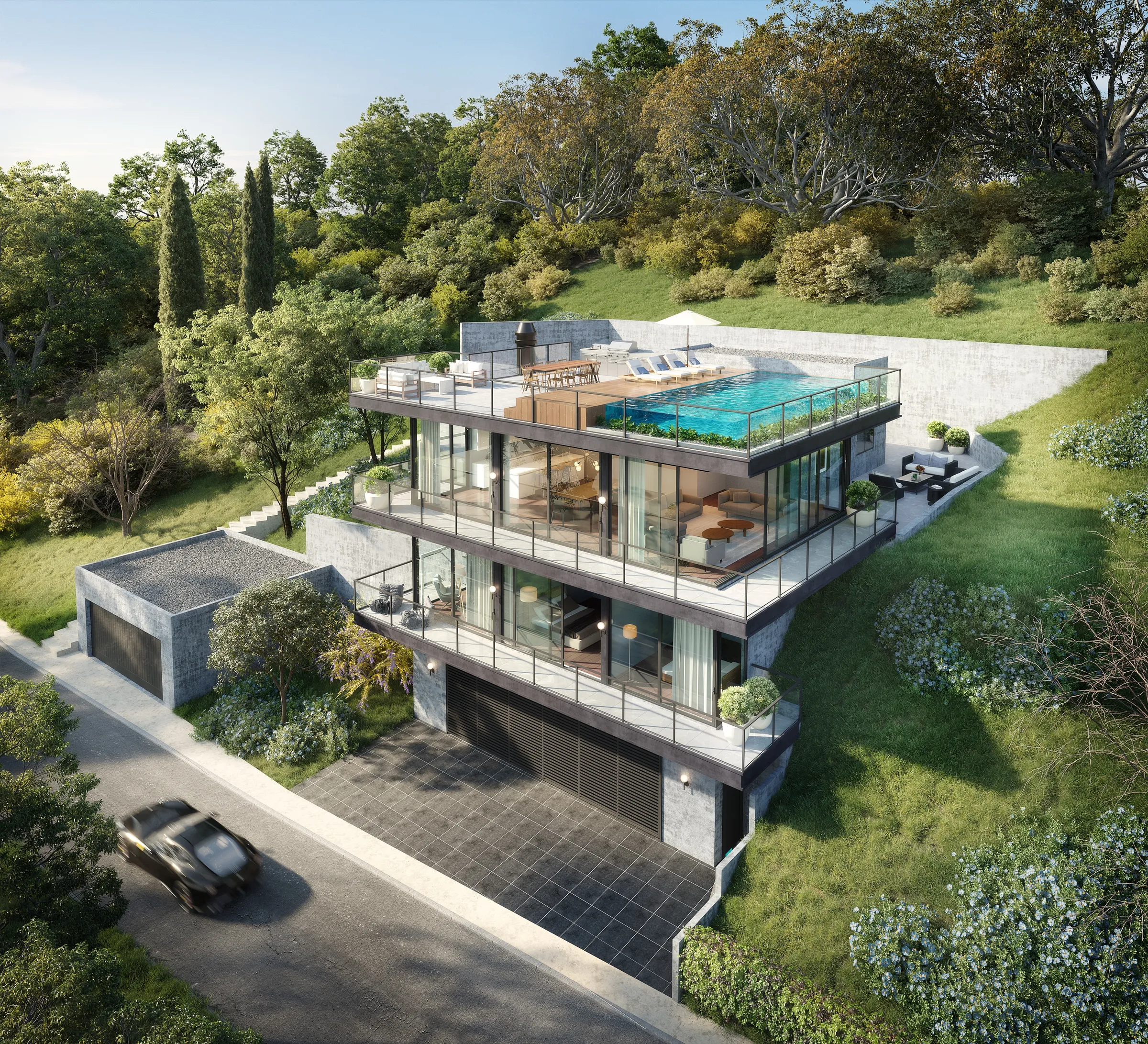
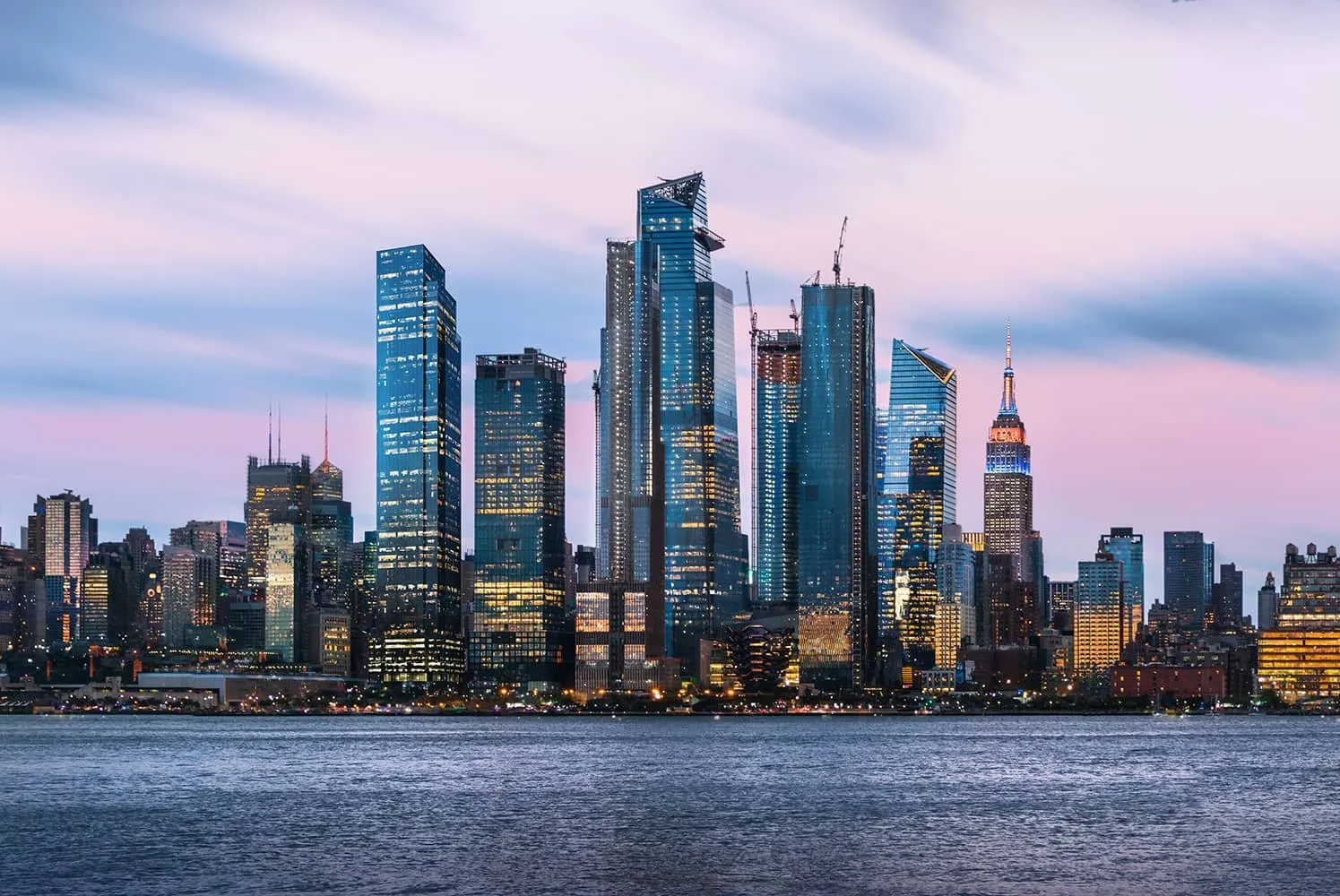
Placing a design within its real environment helps everyone see how it will truly fit. In an urban setting, you can show how the building interacts with nearby architecture, reflections from glass façades, and street activity. For rural or coastal projects, renderings capture natural elements like sunlight, greenery, and terrain to evoke the right atmosphere.
This level of environmental detail makes a design believable. It helps architects refine proportions and materials, while developers can showcase how their projects complement the surrounding area, not compete with it.
Conclusion: Bringing Ideas to Life Before They’re Built
From better communication and faster approvals to cost savings and compelling marketing, 3D exterior rendering gives architects and developers a serious edge. It transforms ideas into visuals people can instantly understand, turning abstract plans into experiences that feel real.
High-quality renderings don’t just show what a building looks like; they tell its story. They inspire confidence, build excitement, and make every stage of development smoother.
If you’re ready to bring your next project to life before it’s built, explore our 3D Exterior Rendering Services.
FAQs
What are the main benefits of 3D exterior rendering for architects? 3D exterior rendering helps architects communicate their vision clearly, refine designs before construction, and gain faster client approvals.
How does 3D exterior rendering help developers save money? By visualising the project early, developers can identify design or material issues before building starts, preventing expensive on-site changes.
Can 3D exterior renderings improve planning approvals? Yes. Realistic visuals make it easier for councils, investors, and clients to understand the final outcome.
Are 3D renderings useful for marketing and pre-sales? Absolutely. Developers and marketers use photorealistic renders for brochures, investor decks, websites, and social media campaigns.
What makes an exterior render look realistic? Realism comes from attention to detail, accurate lighting, textures, reflections, and environmental context.
Further Reading & references
If you’d like to learn more about how 3D visualization shapes modern architecture and design, these guides are a great place to start:
- What Is 3D Exterior Rendering, A simple overview of how 3D rendering turns ideas into lifelike visuals.
- 3D Rendering Basics, Understand the core principles behind every great render.
- 3D Rendering vs 3D Modeling, Learn the difference between modeling a structure and bringing it to life visually.
- How to Create High-Quality 3D Photorealistic Renderings, Explore how lighting, texture, and detail combine to achieve realism.
- Cost of Renderings, See what affects pricing and how to budget for professional visualization.
- Autodesk, Architectural Rendering Benefits
https://www.autodesk.com/uk/industry/architecture/architectural-rendering - GSourcedata, Top Benefits of 3D Architectural Visualization
https://www.gsourcedata.com/top-benefits-of-3d-architectural-visualization - ConstructionExec, Productivity & Cost Savings with BIM
https://constructionexec.com/article/productivity-and-cost-saving-with-bim - Re-ThinkingTheFuture, Cost-Effectiveness of Outsourcing 3D Architectural Rendering
https://www.re-thinkingthefuture.com/technologies/gp833-exploring-the-cost-effectiveness-of-outsourcing-3d-architectural-rendering-for-small-architectural-firms
All sources reviewed, verified, and used factually: - TheAECAssociates, Bringing Your Vision to Life (Visualization Benefits)
https://theaecassociates.com/articles/architectural-design-visualization-and-3d-rendering-services-bringing-your-vision-to-life