The Cost of Renderings: A Complete Guide to 3D Rendering Pricing (2026)

Lukas Berezowiec · CEO of NoTriangle Studio·November 27, 2025 · 13 minutes
3D rendering costs in 2026 typically range from $250 to $5,000 per image, depending on project complexity, realism, and the studio’s expertise. Product renderings usually sit between $100–$800 per item, while 3D animations often range from $2,500 to $20,000+ per minute, depending on duration, detail, and style.
Those numbers aren’t arbitrary. They reflect the level of modelling detail, lighting precision, environment creation, revision rounds, and turnaround expectations needed to produce visuals that actually move a project forward.
This updated 2026 cost of renderings guide breaks down realistic price ranges, explains how studios calculate their fees, and shows you how to estimate costs accurately for your next project.
3D Rendering Prices at a Glance (2026 Overview)
| Rendering Type | Typical Cost (USD) | Notes |
|---|---|---|
| Interior Render | $600–$2,500 per image | Detail-heavy modelling & lighting |
| Exterior Render | $800–$4,000 per image | Aerial shots cost more due to 3D context |
| Product Rendering | $100–$800 per product | Depends on materials, variants & angles |
| 3D Floor Plans | $200–$1,000 per plan | Cheaper when bundled with interiors |
| 3D Animation | $2,500–$20,000+ | Priced per minute; style & detail dependent |
| 3D Virtual Tour | ~50% of the rendering cost | Built from your renderings; not sold standalone |
Quick note: the term “rendering” can refer to two very different services, 3D rendering (digital visualization) and physical exterior rendering (applying plaster/render to a real building). Both appear in search results for the same keywords; this guide focuses on the digital kind.
3D Rendering Costs Explained (Interior, Exterior, Product, Floor Plans & Animation)
Interior Rendering Costs
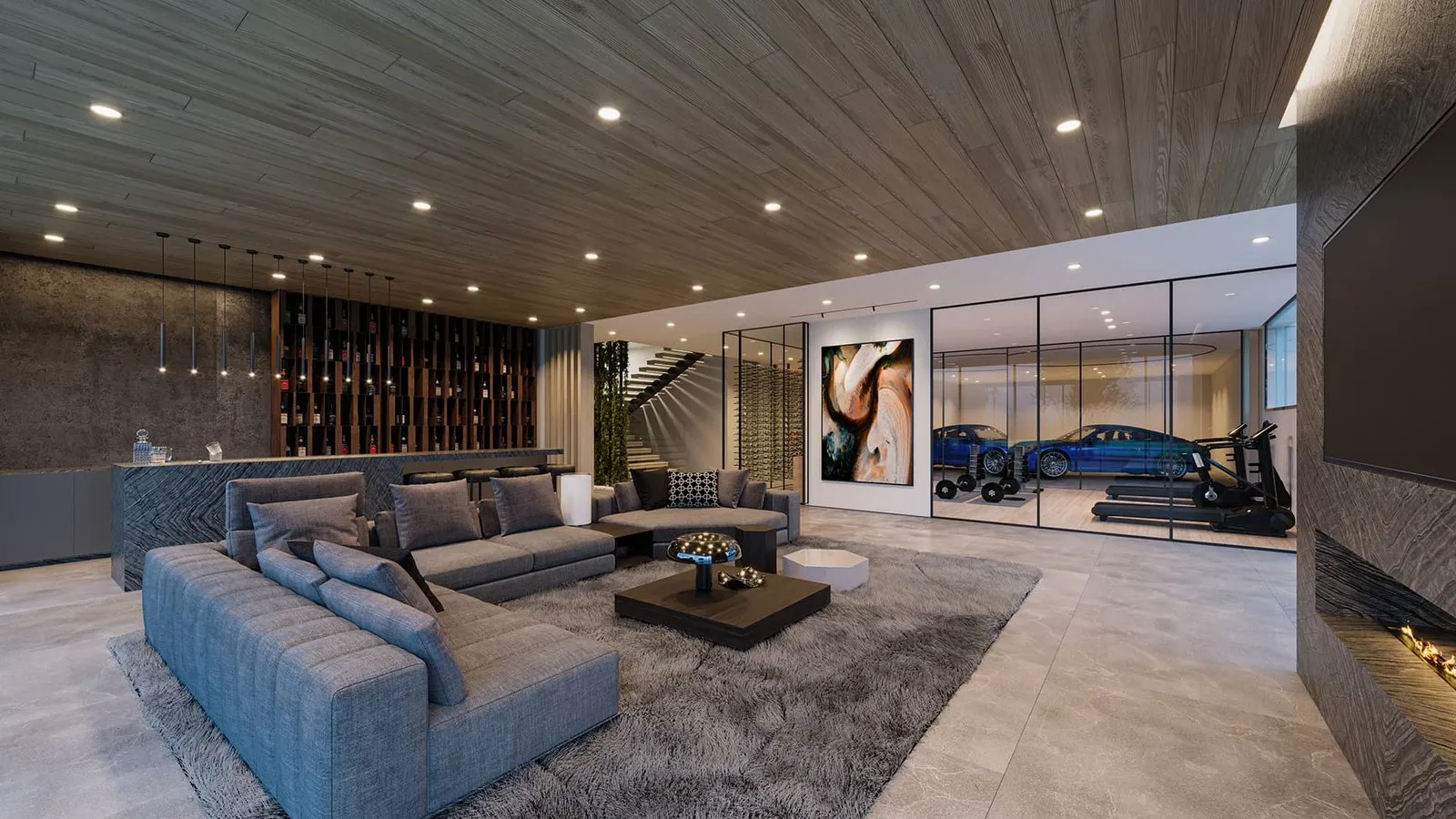
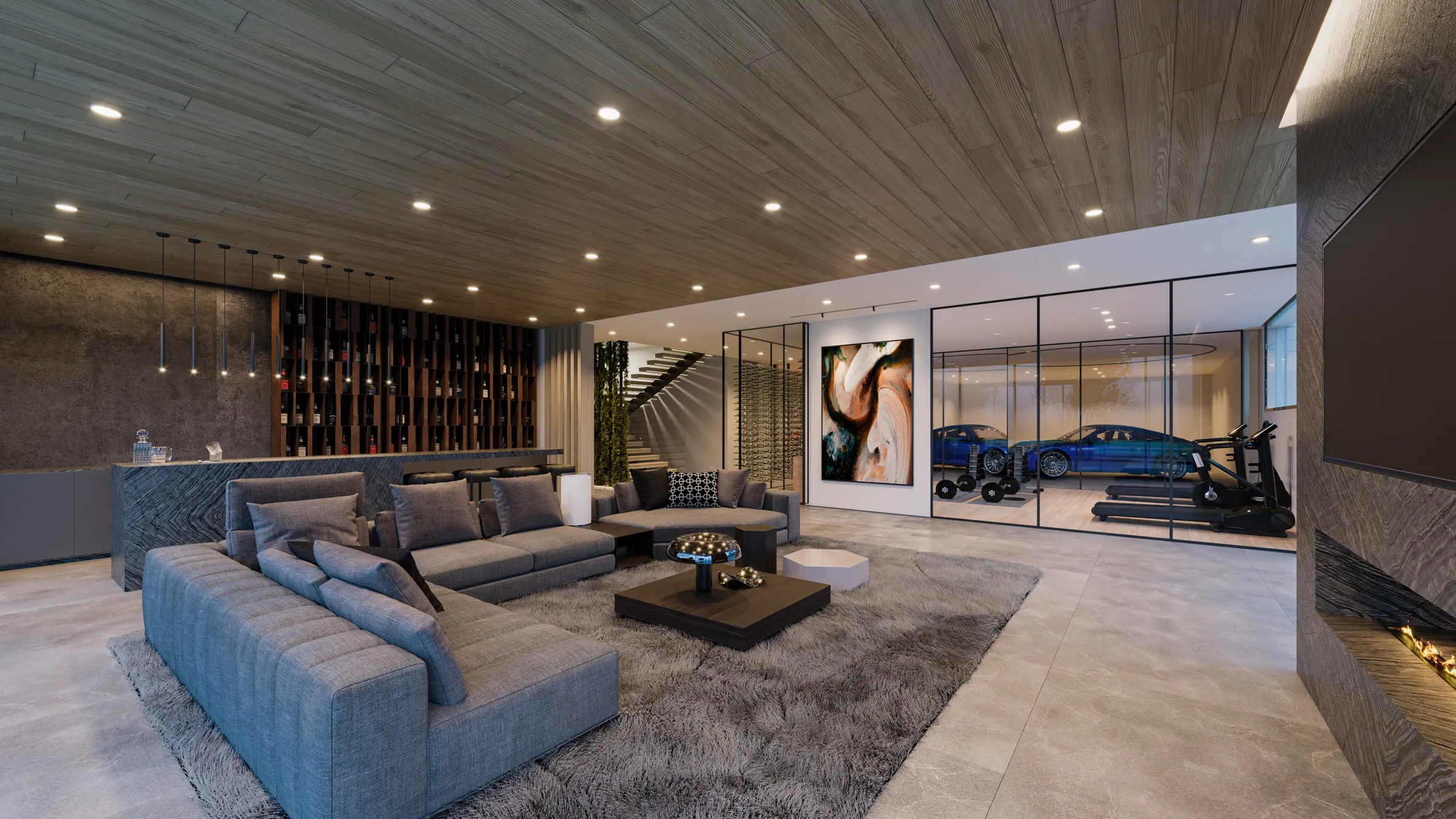
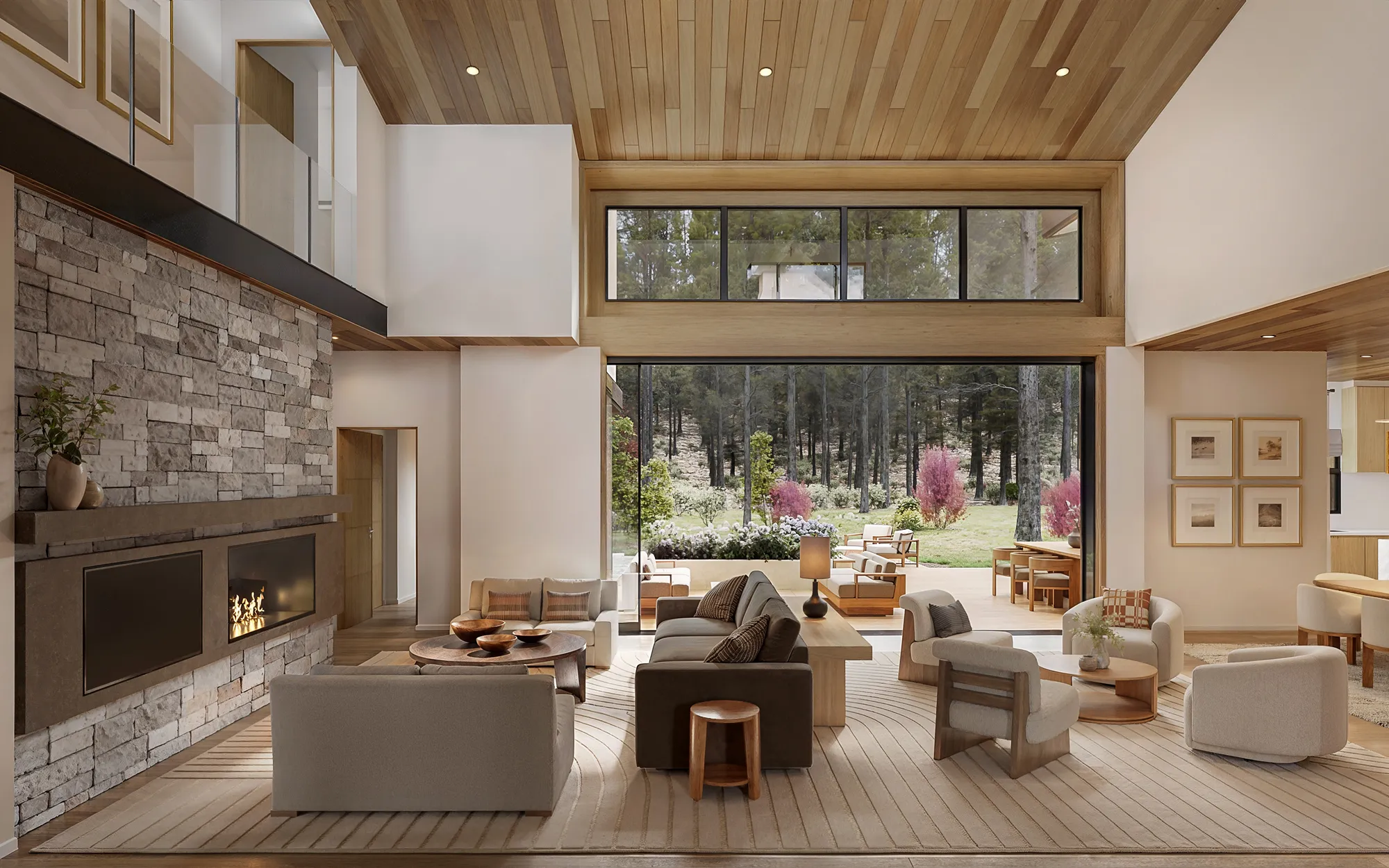
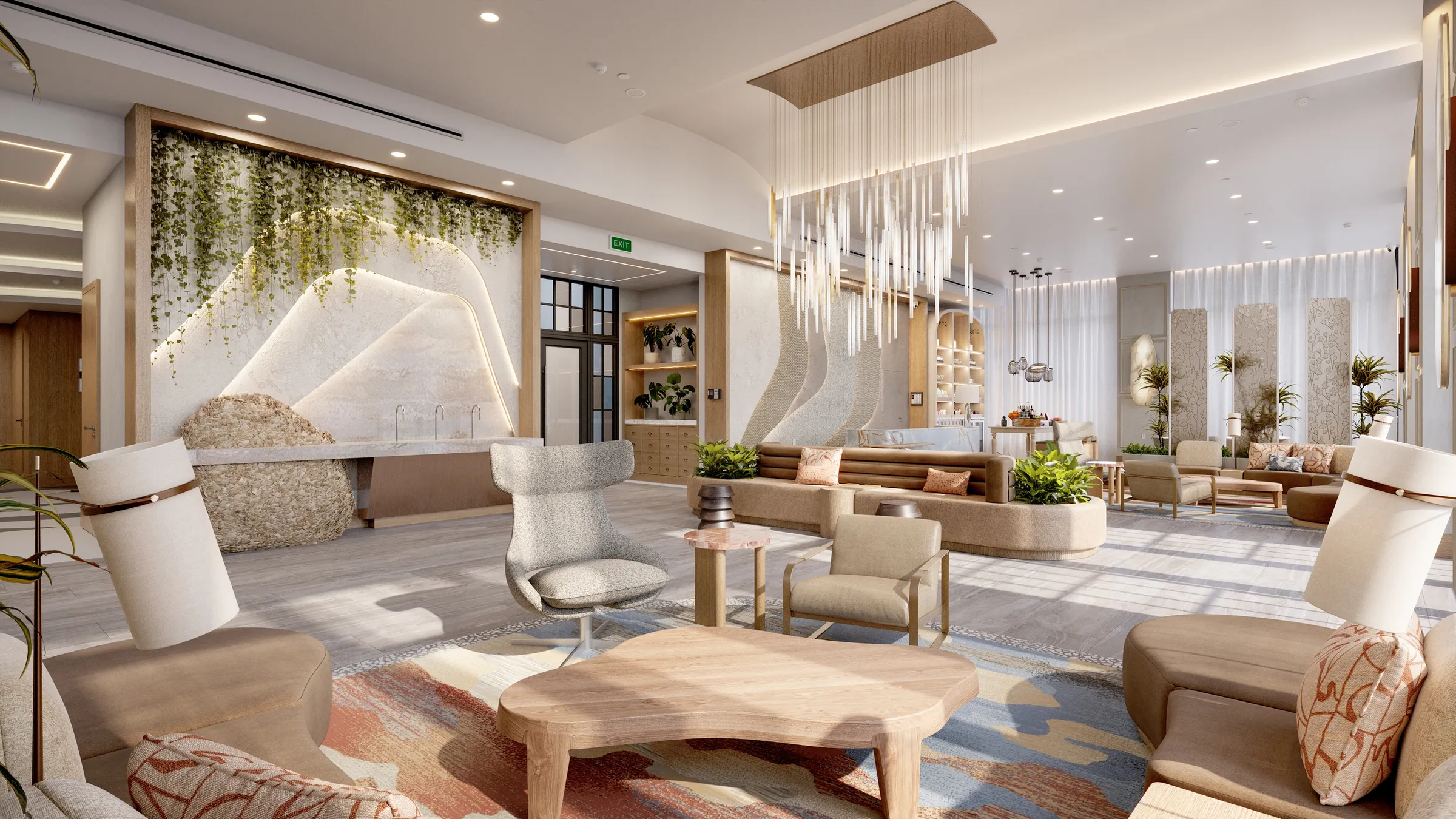
Interior renderings typically require more detailed modelling, furniture, décor, lighting complexity, and material precision all influence cost. Typical cost (2026): $600–$2,500 per image.
What increases price: custom furniture modelling, night scenes or complex lighting, and high-end styling for marketing campaigns.
Exterior Rendering Costs
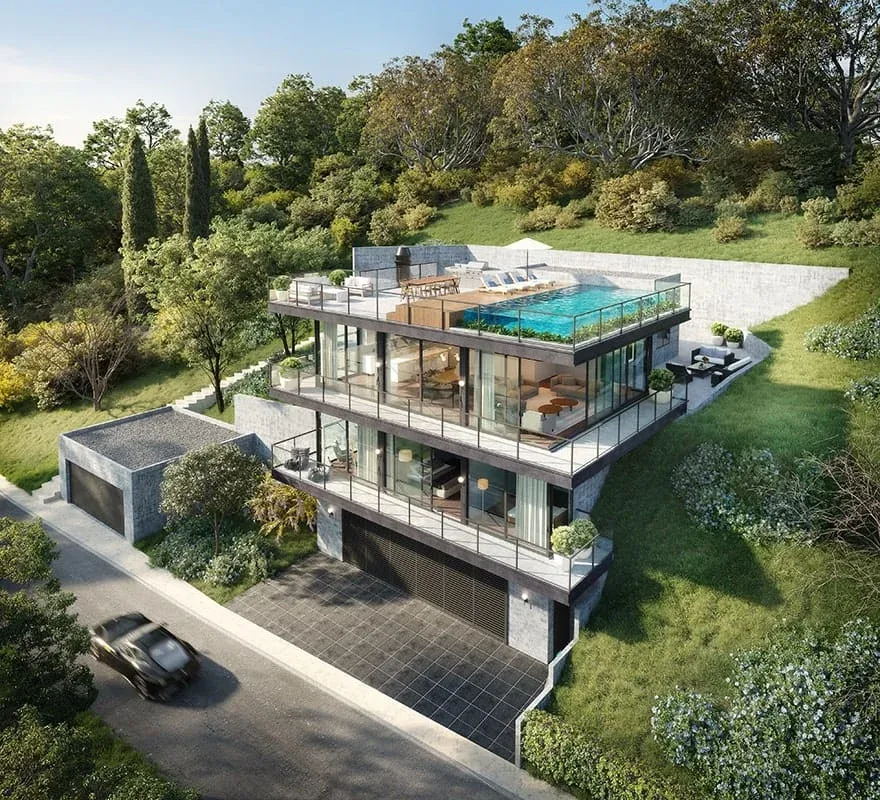
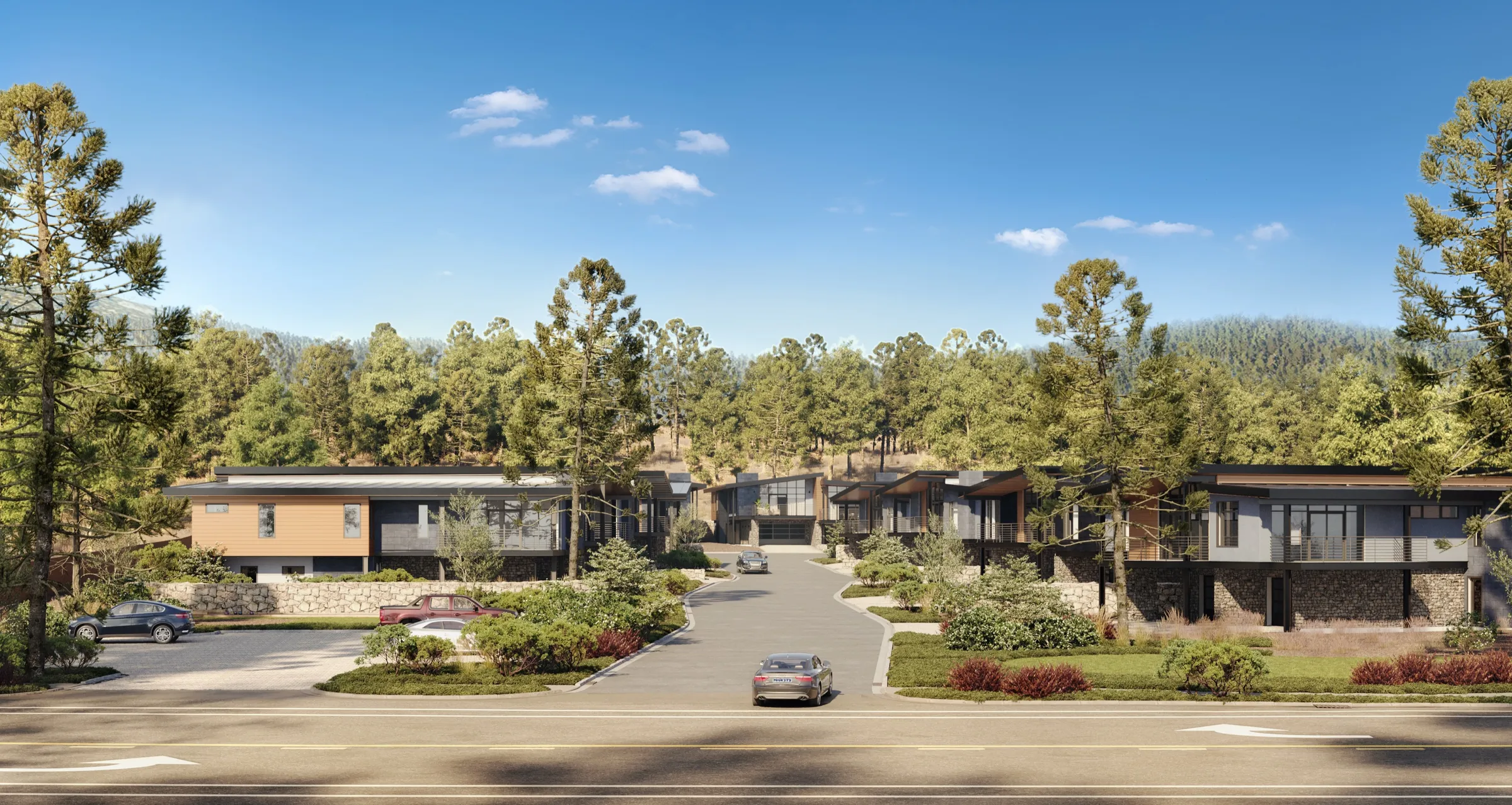
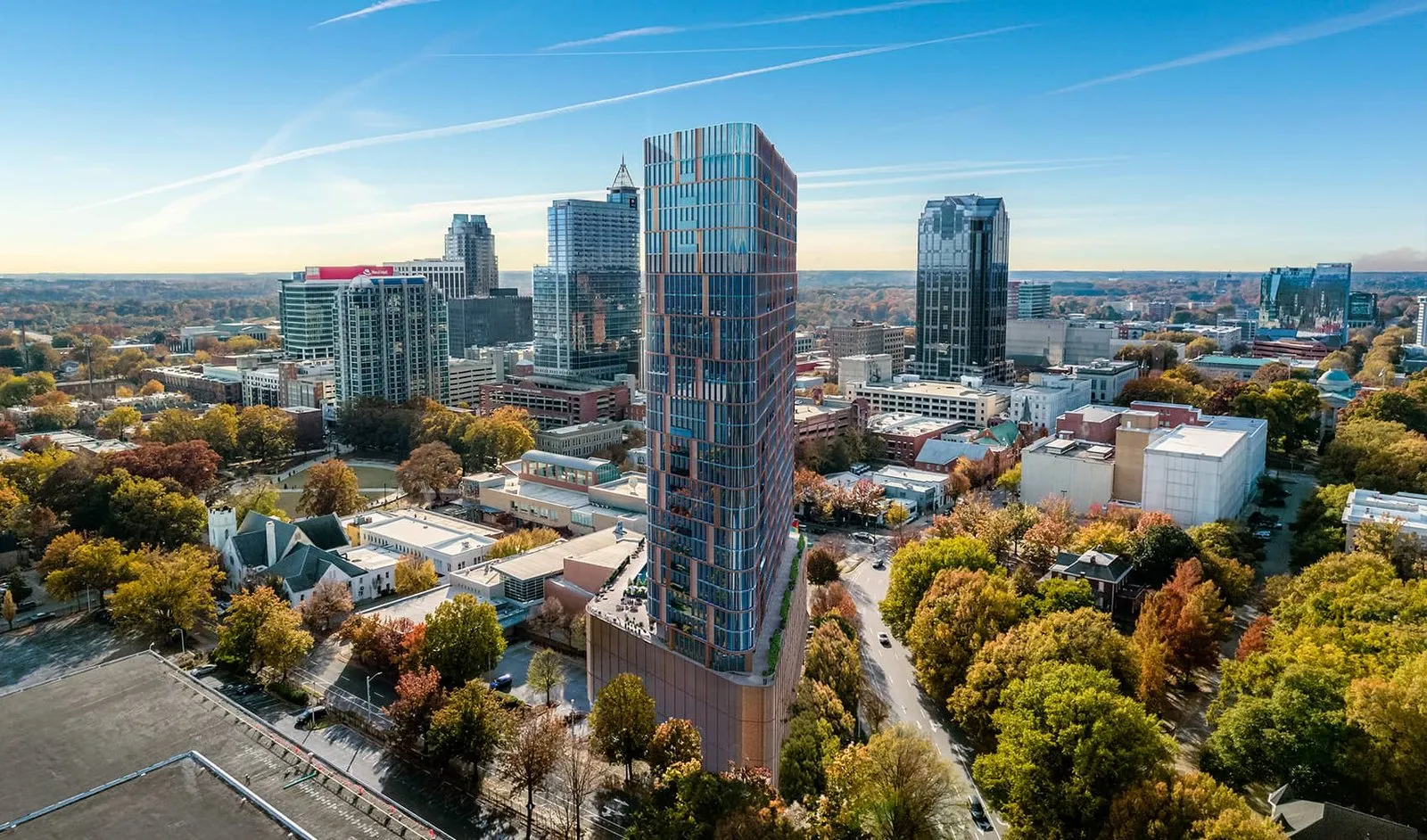
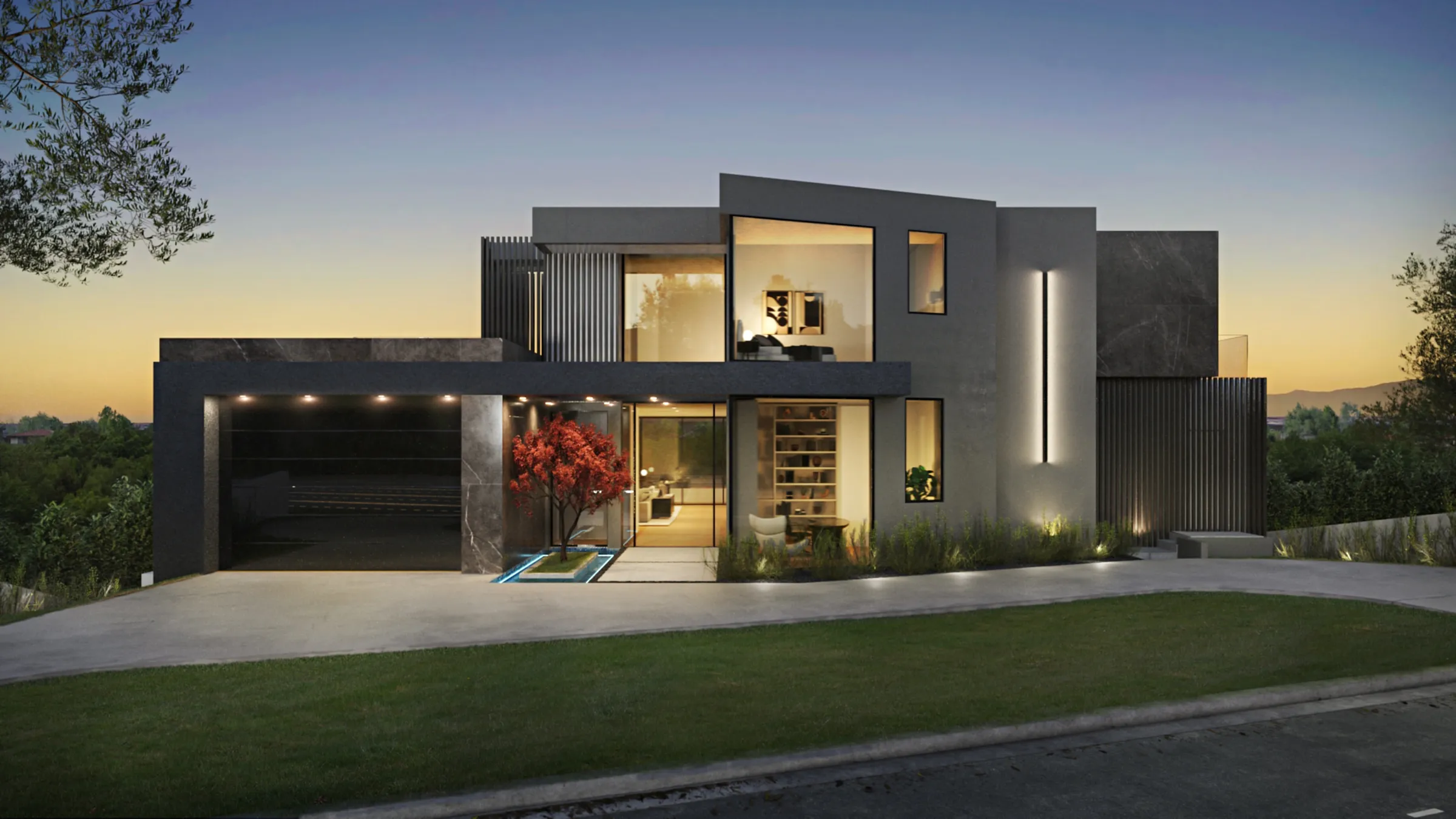
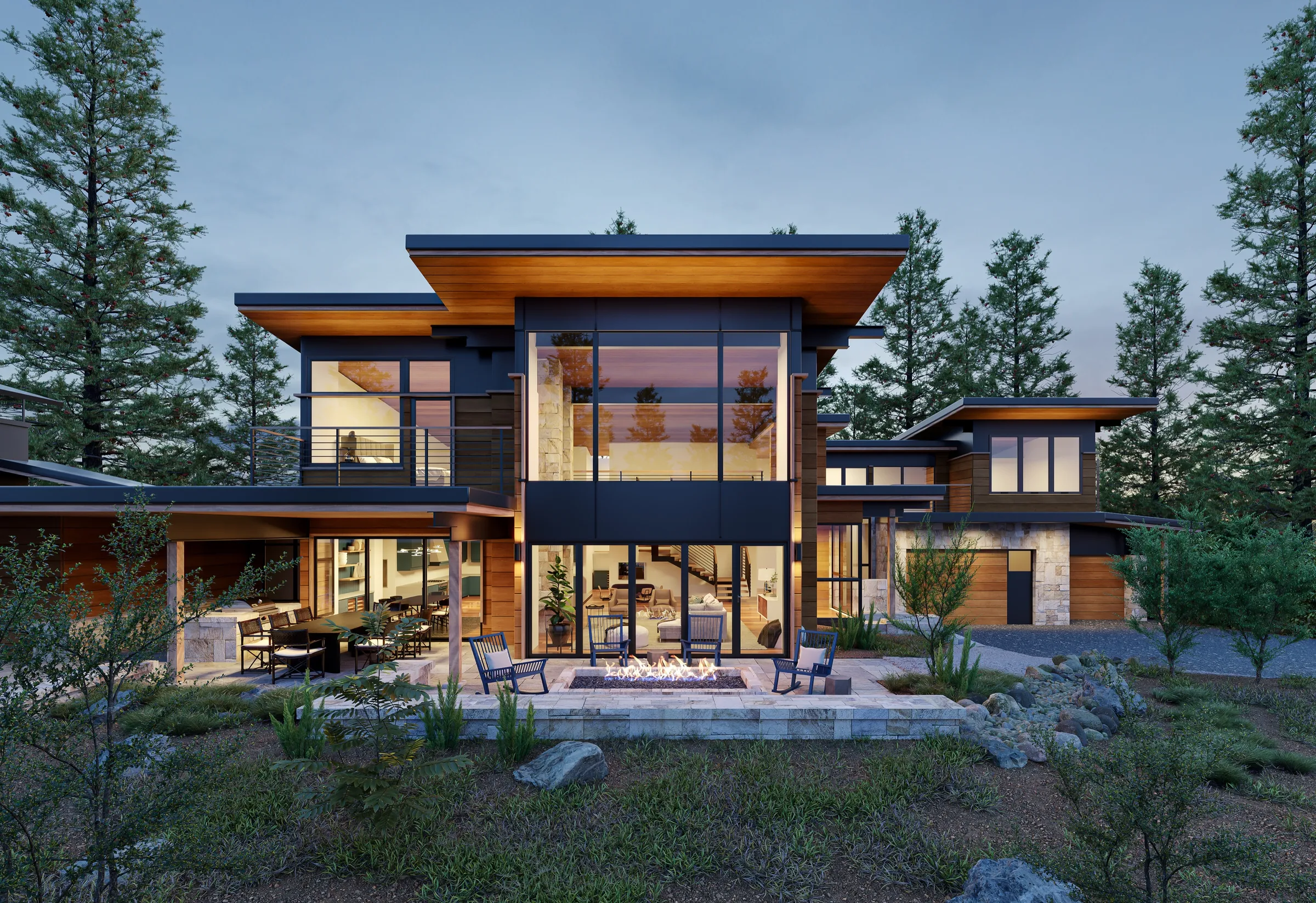
Exterior renderings vary more widely because scope changes dramatically between a single-family home and a mixed-use development. Typical cost (2026): $800–$4,000 per image. Aerial views sit at the higher end due to extra environmental modelling.
What increases price: large sites (condos, multi-building developments), aerial or drone-style shots, and highly detailed landscaping or urban context.
Product Rendering Costs
Typical cost (2026): $100–$800 per product. Variation comes from the number of material finishes, the number of angles, whether animation is included, and the complexity of surfaces (glass, metal, fabrics). Simple SKUs (e.g., a matte plastic product) sit at the low end, while reflective or translucent materials push costs higher.
3D Animation Costs
Architectural animations are priced differently, usually per second or per minute due to rendering time and required computing power. Typical cost: $2,500–$20,000+ per minute. Pricing depends on duration, cinematic style, number of scenes, and turnaround speed.
One shift worth knowing in 2026: animation is getting more affordable. New AI-assisted workflows can generate motion from still renderings, animating a single frame into a moving shot, which cuts the heavy render-farm time that used to make animation expensive. The craft still matters, and a full cinematic sequence is still a real production, but for many projects a short, high-quality animated piece now costs meaningfully less than it did a year ago.
A 3D animation from our Clear Creek project.
3D Floor Plan & Site Plan Costs
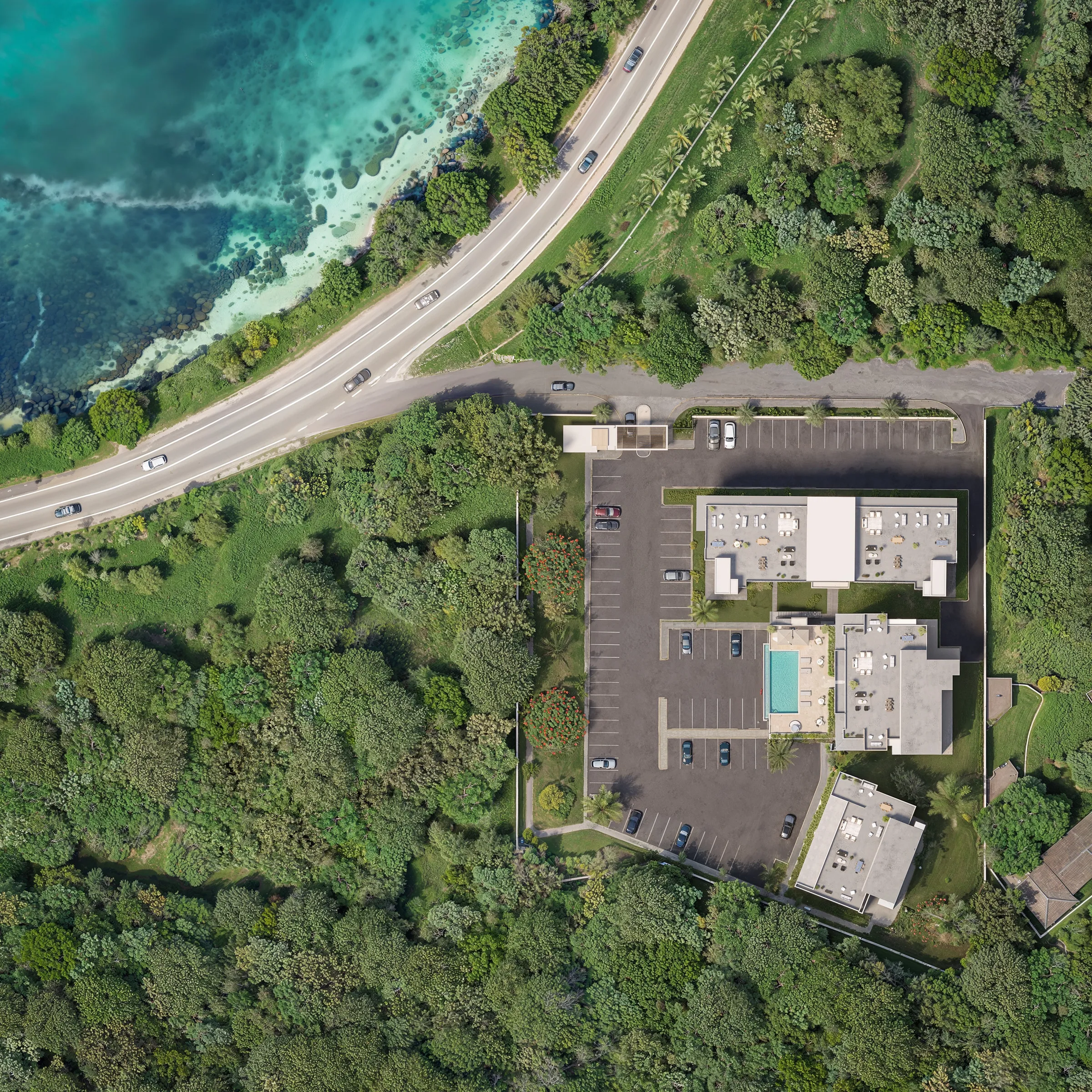
Typical cost (2026): $200–$1,000 per plan. A 3D floor plan turns a flat layout into a furnished, dollhouse-style view that buyers actually understand, and a 3D site plan does the same for a whole development, showing how homes, amenities, and landscaping sit together. Cost depends on the size of the plan, the level of furnishing and detail, and whether it is a single unit or a full masterplan. Floor plans are usually cheapest when bundled with a set of interior or exterior renderings, because the model is already built.
3D Virtual Tour Costs
A 3D virtual tour is not really a separate product. It is an extension of the renderings, the same way an animation is. A studio creates the still renderings first, then develops them into an interactive tour a buyer can move through. Because the model, materials, and lighting already exist, turning them into a tour costs only a fraction of the renderings themselves, usually around 50% of the cost of the stills. For that reason a virtual tour is rarely quoted or bought on its own; it is priced as an add-on to a rendering set, not a standalone line item.
What Affects the Cost of 3D Renderings?
1. Project Complexity
More detail means more modelling time. Examples include intricate façades, unique architectural features, reflective or transparent materials, and dense landscaping or urban context.
2. Scope & Number of Images
Producing several images of the same project lowers the per-image cost because the 3D model can be reused. 1 image → full modelling cost; 3–6 images → lower incremental price; 10+ images → bulk pricing.
3. Level of Realism
Higher realism requires advanced lighting setups, high-resolution textures, custom assets, and post-production polish. This is the key difference between budget renders and premium marketing imagery.
4. Custom Modelling
If a project requires custom items, furniture, bespoke materials, unique equipment, branded products, the studio must model them from scratch. Typical add-on: $25–$150 per item depending on complexity.
5. Revisions & Feedback Cycles
Revision rounds are included with every project, and the number is confirmed in the proposal. You can reduce costs by providing complete plans, clear material references, consolidated feedback, and finalised design decisions.
6. Deadline / Turnaround Speed
Standard timeline: 1–3 weeks depending on scope. Urgent projects increase price due to overtime hours, additional artists, and external render-farm fees. Rush deadlines can add 20–50% to the cost.
7. Studio vs Freelancer
Freelancers offer lower cost but variable availability. Mid-range studios offer the best balance of quality and price. High-end studios deliver premium results for large, complex projects.
8. Intended Use (Marketing vs Basic Concept)
Marketing images require more polish than simple schematic visuals. Planning submission → low–mid realism; sales brochures → high realism; luxury marketing → premium quality, detailed scene composition.
How AI Is Changing 3D Rendering Costs in 2026
Everyone commissioning renderings right now is asking the same question: is AI about to make this cheap? Look closely at the market and the honest answer is more interesting than the headlines. Across the industry, the price of renderings in general is not falling. It is slowly rising. The reason is simple: AI tools are not as efficient in practice as they look in a demo.
In 3D rendering the thing that matters most is accuracy. Developers and agents are selling real projects, and a buyer, an investor, or an approval board treats the image as a promise. This is exactly where AI still falls behind. It produces something that looks plausible at a glance but does not hold up against the real design. So for the heavy lifting, building the accurate model and the photoreal core images, AI is not doing the work, and the skilled hours behind that work are what set the price. If anything, the demand for accuracy has pushed that cost up, not down.
Where AI genuinely helps in 2026 is at the edges, and there you should see it in the price. Two examples stand out. Animation: AI can now generate motion from a finished still, which cuts the render-farm time that used to make animation expensive, so a short animated piece costs meaningfully less than it did a year ago. And the non-critical extras: landscaping, background surroundings, and populating a scene with people, the parts that do not have to be dimensionally exact. For those, AI speeds things up, and you should not be charged premium rates for them.
So the practical rule for 2026 is this. Do not overpay for the light, AI-assisted extras such as animation from stills, added greenery, background context, and people in the frame. But do expect the accurate core renders, the part that actually sells your project, to remain a real cost, because that is the part AI cannot yet do for you.
How Studios Charge for 3D Renderings (2026)
01
Per image
The standard for architecture. One price per finished view. Best for 1 to 6 polished images.
02
Per project / package
Multiple images bundled at a lower per-image rate. Best for developments and full campaigns.
03
Per hour
Used by freelancers and studios alike when scope is unclear. Best for iterative or evolving work.
04
Hybrid
A fixed modelling fee plus per-image and per-second rates. Best for mixed deliverables.
1. Per Image (Most Common for Architecture)
Standard model for architectural visualization. Typical range: $600–$2,500 (interior) / $800–$4,000 (exterior). Ideal for architects and developers needing 1–6 polished images, marketing campaigns, and planning submissions.
2. Per Project / Per Package (Best for Multi-Image Projects)
Studios bundle multiple images into a single package price. A development needing 6–10 images may receive 10–25% lower per-image rates. Ideal for townhouse developments, condo projects, masterplans, and marketing campaigns with many angles.
3. Per Hour
Hourly pricing is used by both freelancers and studios when the scope is unclear or highly flexible. Typical range: $30–$100 per hour depending on experience, location, and complexity. Ideal for iterative design development, concept modelling, and clients who want “as we go” flexibility.
4. Hybrid Models (Used by Premium Studios)
Some studios use hybrid pricing when a project combines still images, animations, floor plans, product renders, and variations. Example model: fixed fee for modelling + per image fee + per-second rate for animation. Ideal for developers and agencies needing mixed deliverables.
Which Model Saves the Most Money?
If you need multiple images, choose per project. If you need a single high-end hero shot, choose per image. If your design is not final, hourly can be cheaper, but only with a trusted artist.
Price Comparison: Budget vs Mid-Range vs High-End Studios
| Studio Type | Typical Price | Quality & Experience | Best For |
|---|---|---|---|
| Budget Studios | $250–$800 per image | Basic–Mid quality; Limited communication | Simple concepts; Tight budgets |
| Mid-Range Studios | $800–$2,000 per image | High-quality visuals; Stable workflow | Most architectural & real estate projects |
| High-End Studios | $2,000–$5,000+ per image | Premium photorealism; Dedicated art direction | Luxury real estate; Large developments |
Quick Takeaway
- Budget studios are affordable but risky for commercial work.
- Mid-range studios offer the best balance of price, quality, and reliability.
- High-end studios deliver premium results for projects where visual impact directly affects sales, funding, or approvals.
- Much of the gap between price and quality comes down to whether a studio produces in-house or subcontracts the work, so it is worth asking directly.
The Most Expensive Rendering Is the One That Doesn’t Sell
Price is the easiest thing to compare and the worst thing to choose on. On a project where the images carry the launch, the real cost of the wrong studio is not the invoice. It is a set that fails to sell, and then a relaunch: new images, new weeks in the market, and an asking price already anchored by weak visuals. The gap between a cheap render and a strong one is small in dollars and large in effect.
Experienced developers know exactly where a cheaper studio cuts, because it is almost always the same place: the details. The artwork on the walls, the props, the styling, the small finishes. Those are slow to get right, so a budget studio reaches for stock and moves on, and that is precisely what a buyer reads, consciously or not, as quality. Across hundreds of projects, the notes that decide a sign-off are rarely about the architecture. They are about whether the fruit in the bowl looks real and whether the light feels like the end of the day. That pattern, and what it means for the price you pay, is the subject of what 500+ projects taught us about 3D rendering.
There is a second cost that never shows up on a quote: time. The active rendering work for a stage is measured in days. What stretches a project into months is waiting on decisions, selections, and feedback, almost always on the client’s side. So the cheapest way to keep a project on budget is not to push the studio for a lower number. It is to arrive with a stable design, gather your selections, and consolidate your feedback before the work begins.
Standard vs Premium: What the Quality Difference Actually Costs
Beyond the budget, mid-range, and high-end split, many studios describe their work in two production levels: Standard and Premium. The distinction is less about the studio’s tier and more about what a given image has to do, and it is one of the clearest ways to understand why two renderings of the same room can cost very different amounts.
Standard (documentary)
Standard work is accurate and faithful to the design: library furniture where it serves the space, fair and even lighting, honest materials, full visibility of the room. It is the kind of imagery seen on a developer’s listing or in a sales brochure, and it is the right level for planning submissions, design approvals, and supporting views where clarity matters more than drama.
Premium (editorial)
Premium work is editorial: custom-modeled furniture matched to spec, lighting used as a storytelling tool, atmosphere, and lifestyle. It is the kind of imagery seen in a design publication or on a luxury developer’s Instagram, and it is the right level for hero shots, launch moments, and the cover of the brochure. It costs more because it takes more: custom modeling, careful lighting, and the time to make a single frame carry the project.
Most projects use both across the set, Premium for the few images that have to sell, Standard for the supporting views that have to inform. Deciding which level each image needs, rather than paying for the top level everywhere, is one of the most effective ways to control the budget without weakening the result.
How to Save Money on 3D Rendering (Without Compromising Quality)
Plan Ahead and Avoid Scope Creep
Most extra costs come from major design changes late in the process. Providing a stable, finalised design before rendering begins prevents expensive rework.
Provide Complete Information Upfront
Sharing accurate plans, elevations, material specs, mood boards, and references helps the artists get things right from the first draft. This reduces revision rounds, modelling inconsistencies, and misinterpretation of design intent.
Batch Your Images
Most studios reduce the per-image cost when producing multiple views from the same model. 5 images are almost never 5× the cost of one; modelling only happens once.
Avoid Rush Fees
Tight deadlines increase costs because studios must pull in extra artists or pay for external render farms. Planning even one week earlier can significantly reduce the final price.
Use Consistent Materials and Color Palettes
When designs use a shared set of materials and finishes, artists spend less time rebuilding shaders or creating custom assets.
Clarify Required Resolution and Output Formats
4K, 6K and ultra-wide aspect ratios are more expensive to produce. If a project only needs website or brochure resolution, stick to standard sizes.
Choose a Studio with a Defined Process
Studios with a clear workflow (brief → draft → revisions → final) minimise back-and-forth and avoid unnecessary billing.
When Paying More Is Worth It
When Your Project Depends on First Impressions
High-stakes visuals, pitch decks, investor presentations, competition entries, or pre-sales launches, need to look flawless. Premium studios deliver photoreal materials and lighting, cinematic composition, and consistent artistic direction.
When Approvals or Funding Are on the Line
A high-end render can remove uncertainty, communicate context, speed up approvals, and strengthen investment cases.
When Your Brand Needs Consistency
Studios provide style guides, consistent lighting setups, repeatable quality, and reliable delivery timelines.
When the Design Is Complex
Large mixed-use developments, high-end interiors, technical façades, and detailed architectural styles all require more expertise. Paying for senior artists and an organised workflow ensures accuracy.
When You Need More Than a Pretty Image
Mid-range and high-end studios deliver strategic visualization, not just pictures: marketing-ready assets, investor-friendly frames, multiple deliverables, and guidance on what will convert.
Can You Get a Price Before Your Files Are Ready?
Often, yes. A quote and a complete set of files are two different things. What a studio needs in order to price a project is a clear understanding of it, and a thorough discovery call usually provides that: what is being built, who the buyer is, how many images and of what kind, the level the imagery has to reach, and the deadline. With that, a studio can quote with confidence even when the files are still incomplete or the design is still settling. The file review later confirms the detail, and anything that materially changes the scope should be flagged before the work begins, not after.
Related guides
- What premium 3D rendering costs, and why: the ROI view of the numbers above, where the money goes and when premium pays for itself.
- How to choose a 3D rendering studio: the criteria that separate a partner from a vendor, and the red flags to watch before you sign.
- What 500+ projects taught us about 3D rendering: patterns from hundreds of real projects, including where cost and quality actually diverge.
- Pre-selling real estate with 3D visualization: how the images earn their cost by selling, funding, and winning approvals before a build.
FAQs
How much do 3D renderings cost in 2026?+
Most 3D renderings cost $250–$5,000 per image. Product rendering: $100–$800 per item. Architectural animations: $2,500–$20,000+ per minute.
How long does it take to render a design?+
A standard rendering usually takes 1–2 weeks; complex scenes or multiple images may take 3–5 weeks. Animations: 2–6 weeks. The calendar can run longer when it waits on feedback and decisions, which is almost always the real bottleneck rather than the rendering itself.
Is 3D modelling included in the cost?+
Yes, basic modelling from your CAD, BIM, or sketches is usually included. Custom furniture or complex façades may add extra time.
Can a studio quote before I have final CAD?+
Usually yes. A detailed discovery call about scope, style, image count, and deadline is often enough to quote accurately, with the file review confirming the detail before work starts.
What’s the difference between Standard and Premium rendering?+
Standard is accurate, documentary imagery (library furniture, fair lighting) suited to listings and approvals. Premium is editorial (custom-modeled furniture, lighting used for storytelling) suited to hero shots and launches. Most projects mix the two.
What’s the hourly rate for 3D rendering work?+
Whether you hire a freelancer or a studio, hourly work typically runs $30–$100 per hour depending on experience and complexity. Most architectural projects are quoted per image or per package rather than by the hour.
What affects the cost of 3D animation?+
Duration, level of realism, camera movements, number of scenes, and marketing-style editing. In 2026, AI-assisted workflows that animate still renderings are also bringing shorter pieces down in price.
What’s the difference between 3D rendering and physical house rendering?+
3D rendering is digital visualization. Physical rendering is applying plaster or finish to real exterior walls.