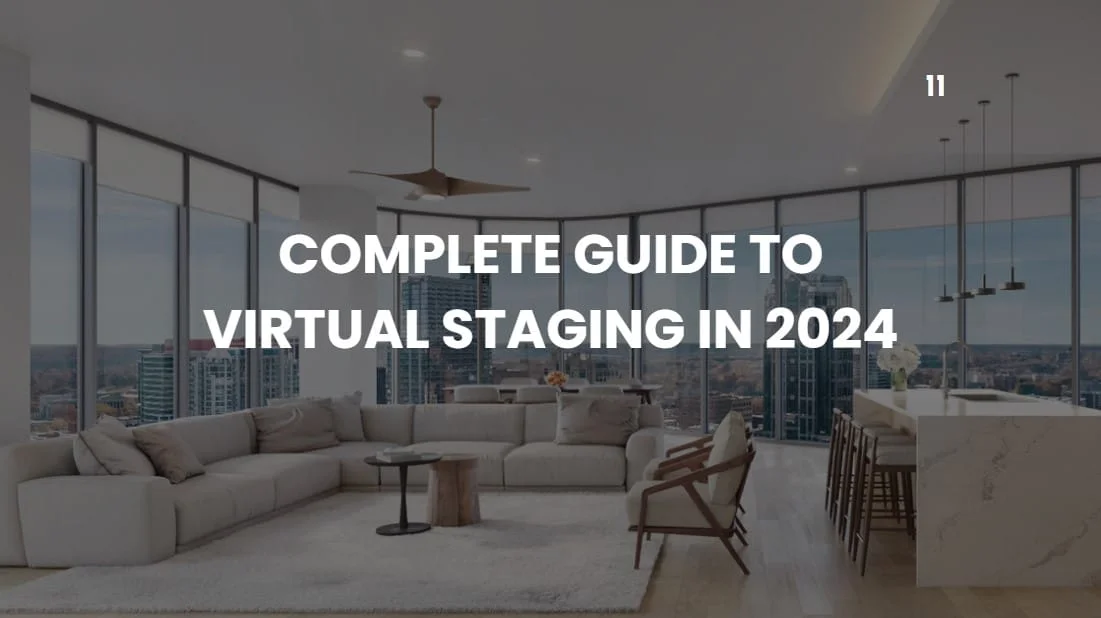
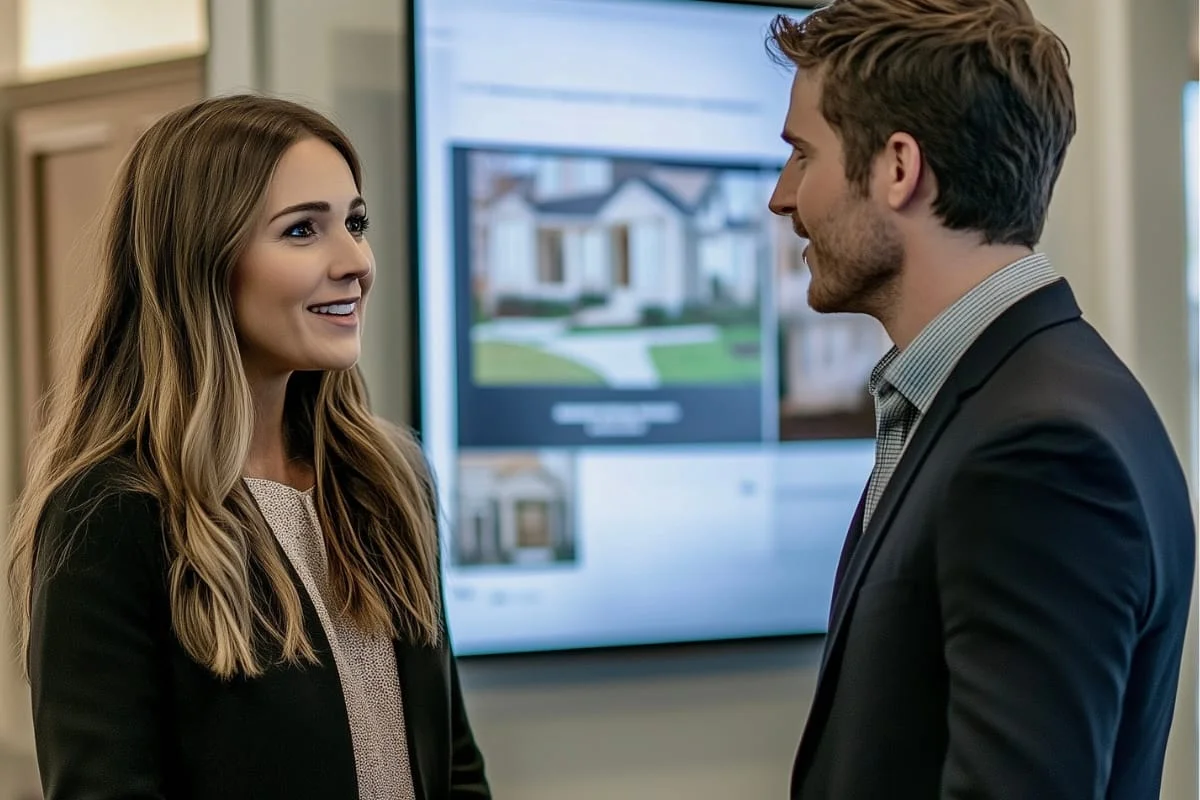
Imagine you’re standing in a luxury home — floor-to-ceiling windows, marble finishes, open-plan layout — experiencing it all from your office through Virtual Reality. This is the future of real estate marketing, and it’s already here.
For real estate professionals, especially in high-end markets, staying ahead is essential. Traditional methods (photos, brochures, video tours) have merits but show their limits as buyers demand deeper engagement. VR real estate marketing offers an immersive experience that transports buyers into the property.
I’ve seen VR transform campaigns — including a luxury penthouse where buyers virtually explored every corner, leading to faster engagement and serious offers. Real estate marketing should be about creating immersive experiences, not just impressions.
Key Takeaways
- Immersive Engagement: VR offers immersive walkthroughs versus static photos/videos, driving higher engagement.
- Enhanced Buyer Confidence: Realistic sense of layout, lighting, and feel reduces uncertainty before in-person visits.
- Increased Conversion Rates: In-depth virtual exploration speeds decisions and converts more leads.
- Wider Market Reach: VR attracts remote and international buyers beyond geographic limits of in-person showings.
- Efficiency in the Sales Process: Pre-qualifying buyers with VR tours saves agents time and shortens days-on-market.
Traditional Real Estate Marketing Methods
Before VR, photos, brochures, and video tours were the primary marketing tools — useful but often leaving much to the imagination.
Static photos, however polished, capture a single angle in ideal light and can create a gap between expectation and reality, especially for luxury homes where walking the space defines the appeal.
Videos add motion but remain passive — buyers see the property through the videographer’s lens, can’t linger or examine details, and may disengage quickly.
According to the National Association of Realtors’ Real Estate in a Digital Age report, “97% of all homebuyers used the internet in their home search.” Yet internet-based photos and video are still passive; VR provides a more interactive, immersive alternative.

Immersive Benefits of VR Real Estate Marketing
A buyer thousands of miles away can experience a property as if physically there — pausing, lingering, revisiting spaces. This emotional connection is hard to replicate with traditional tools.
VR enables intimate exploration — zooming in on architectural details, seeing how light shifts through rooms — which builds deeper connection, more serious inquiries, and higher conversion rates.
By holding attention and helping buyers imagine themselves in the space, VR shortens the gap between interest and offer.
To learn more about the benefits of virtual home tours for real estate agents, follow the link.
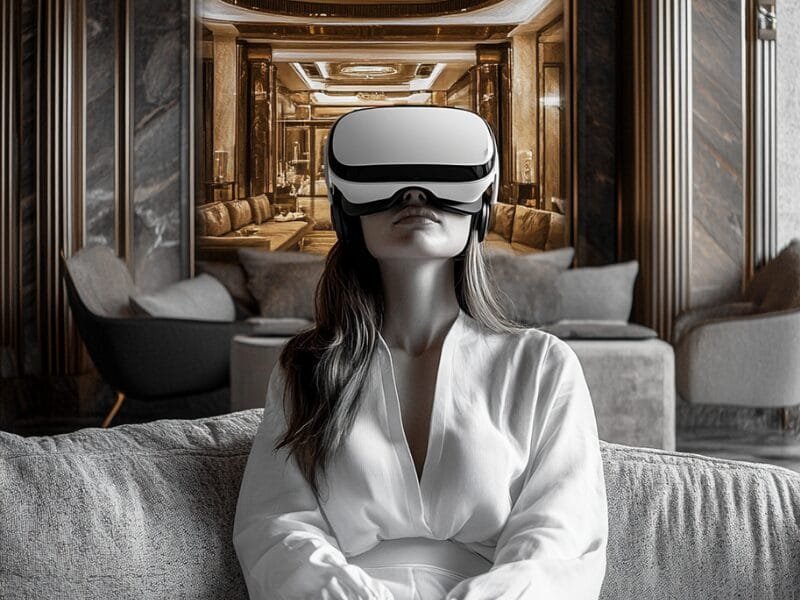
Enhanced Client Engagement Through VR Tours
Traditional photos and video rely on passive engagement; VR invites active involvement — exploring, interacting, engaging more deeply.
Buyers spend more time inside a VR environment, building emotional attachment. Research shows VR tours increase engagement time by up to 40% versus standard listings.
In one of my projects, a struggling listing took off after a VR tour was added — buyers spent 10–20 minutes immersed in the home, leading to serious inquiries and a quicker sale.
The longer a buyer explores, the more attached they become, and the more likely they are to advance in the buying process.
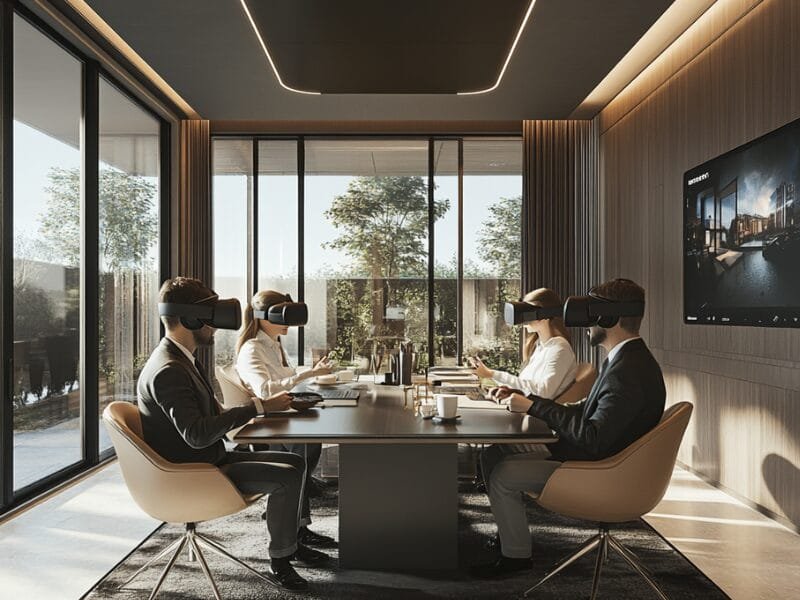
Faster Sales and Increased Conversion Rates with VR Tours
VR shortens the sales cycle. Traditional methods often require multiple physical visits; VR lets buyers revisit at their convenience and decide faster.
As Forbes notes, “Virtual reality offers the possibility to virtually visit a lot more homes in a lot less time,” increasing sales efficiency and exposure to more buyers.
A virtual tour acts like a 24/7 open house. In one high-end sale, VR let buyers fully explore beforehand, so when they visited in person they were already emotionally invested — leading to a faster offer.
VR also enhances buyer confidence — buyers explore at their own pace, visualize themselves in the space, and decide without pressure, leading to quicker conversions.
By minimizing uncertainty, VR drives higher conversion rates, especially in competitive luxury markets.
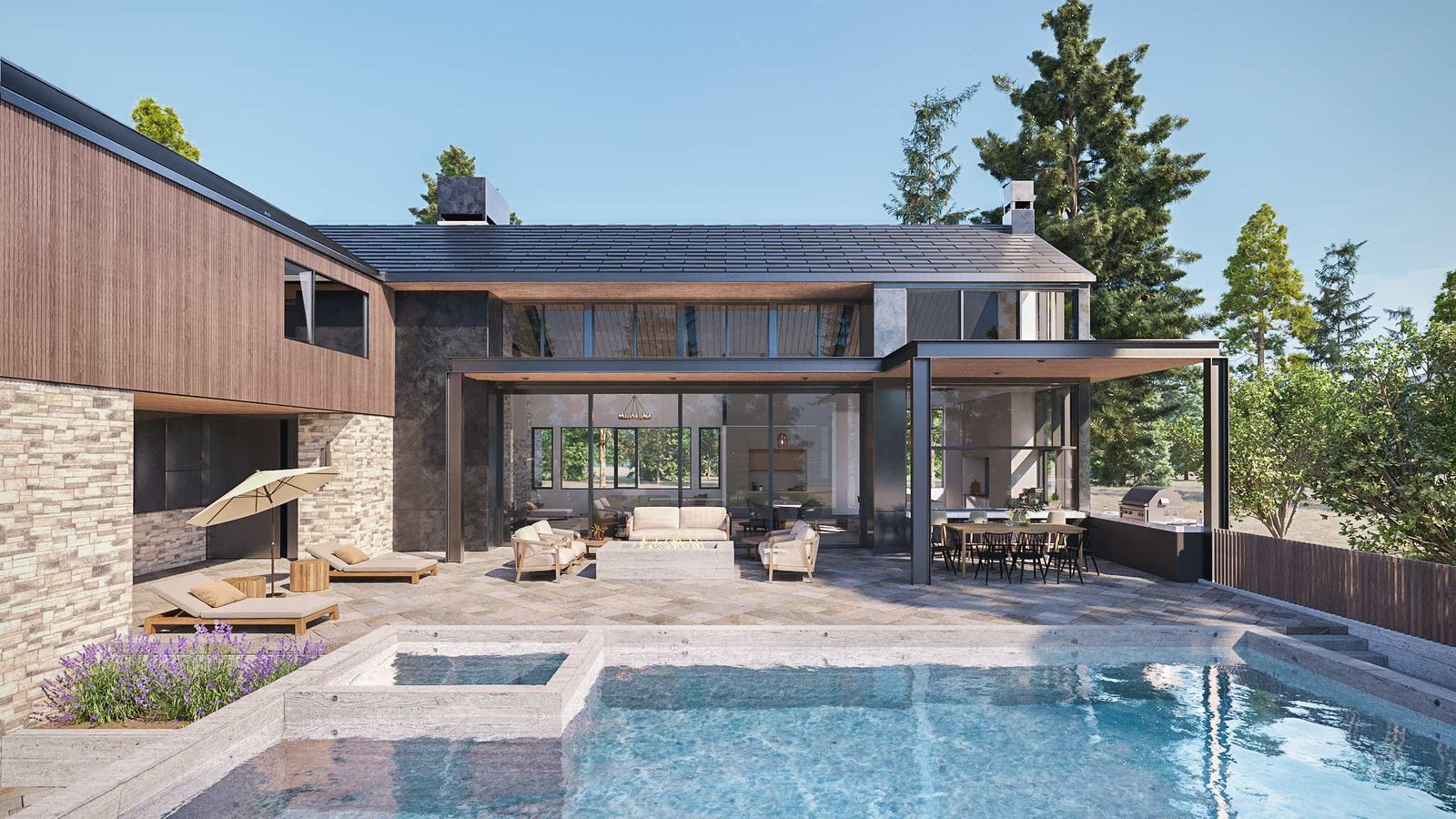
VR Creates a Competitive Edge for Agents
Open houses and brochures feel outdated next to VR’s dynamic experience. For agents marketing luxury properties, VR is a clear differentiator.
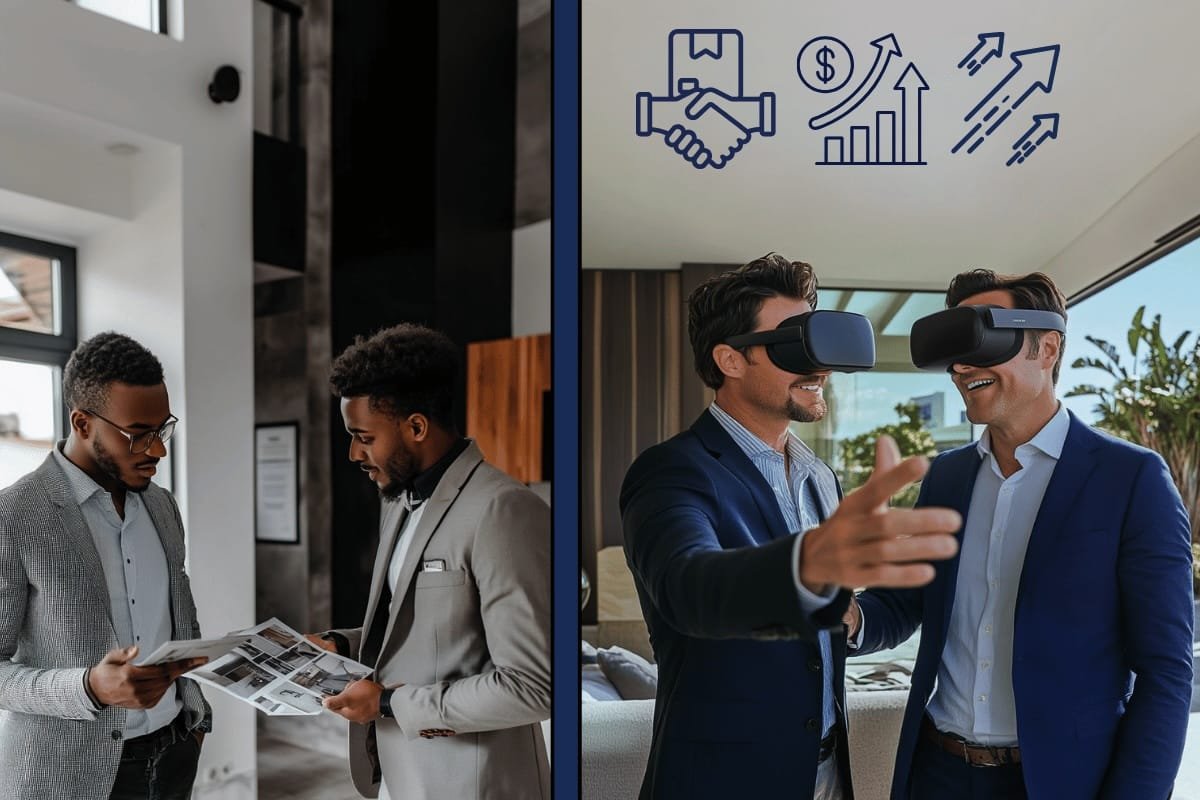
Compare two similar luxury homes: one marketed with photos/videos, the other with an immersive VR tour. The VR-enabled property is far more likely to captivate buyers and form deeper connections.
In one project, an agent won a prestigious listing by showcasing VR tours as part of their advanced marketing approach — signaling cutting-edge capability to the seller.
VR also unlocks international and high-net-worth buyers who can’t visit in person initially, broadening the audience for high-value listings.
VR is more than a visual upgrade — it’s a strategic advantage positioning agents as forward-thinking professionals.

Conclusion
Leveraging VR real estate marketing can be the difference between a quick sale and a prolonged listing. VR outshines photos and videos by enabling emotional connection, buyer confidence, and faster, more informed decisions.
For agents, VR enhances both property listings and reputation — positioning them as forward-thinking professionals meeting modern buyer demands.
FAQs
What is real estate marketing with VR? VR in real estate marketing refers to the use of virtual reality technology to create immersive, 3D tours that allow potential buyers to explore properties remotely.
How do virtual tours benefit real estate marketing? Virtual tours increase property visibility, boost engagement, reduce decision-making time, and attract international buyers, making it a powerful tool for agents.
Are VR tours more effective than traditional marketing methods? Yes — VR tours provide a more interactive and immersive experience compared to static images and videos, leading to higher engagement and faster sales.
Can VR tours help sell luxury properties? Absolutely. VR tours offer the perfect way to showcase the exclusive features of high-end properties, giving potential buyers a feel of the property without an in-person visit.
Discover the Future of Real Estate Marketing with VR Tours
Take your real estate listings to the next level with our expert virtual tour services. Contact us today to discover how we can help you attract more clients and close deals faster.