Architectural Rendering 101: Everything You Need to Know

Lukas Berezowiec · CEO of NoTriangle Studio·December 4, 2025 · 13 minutes
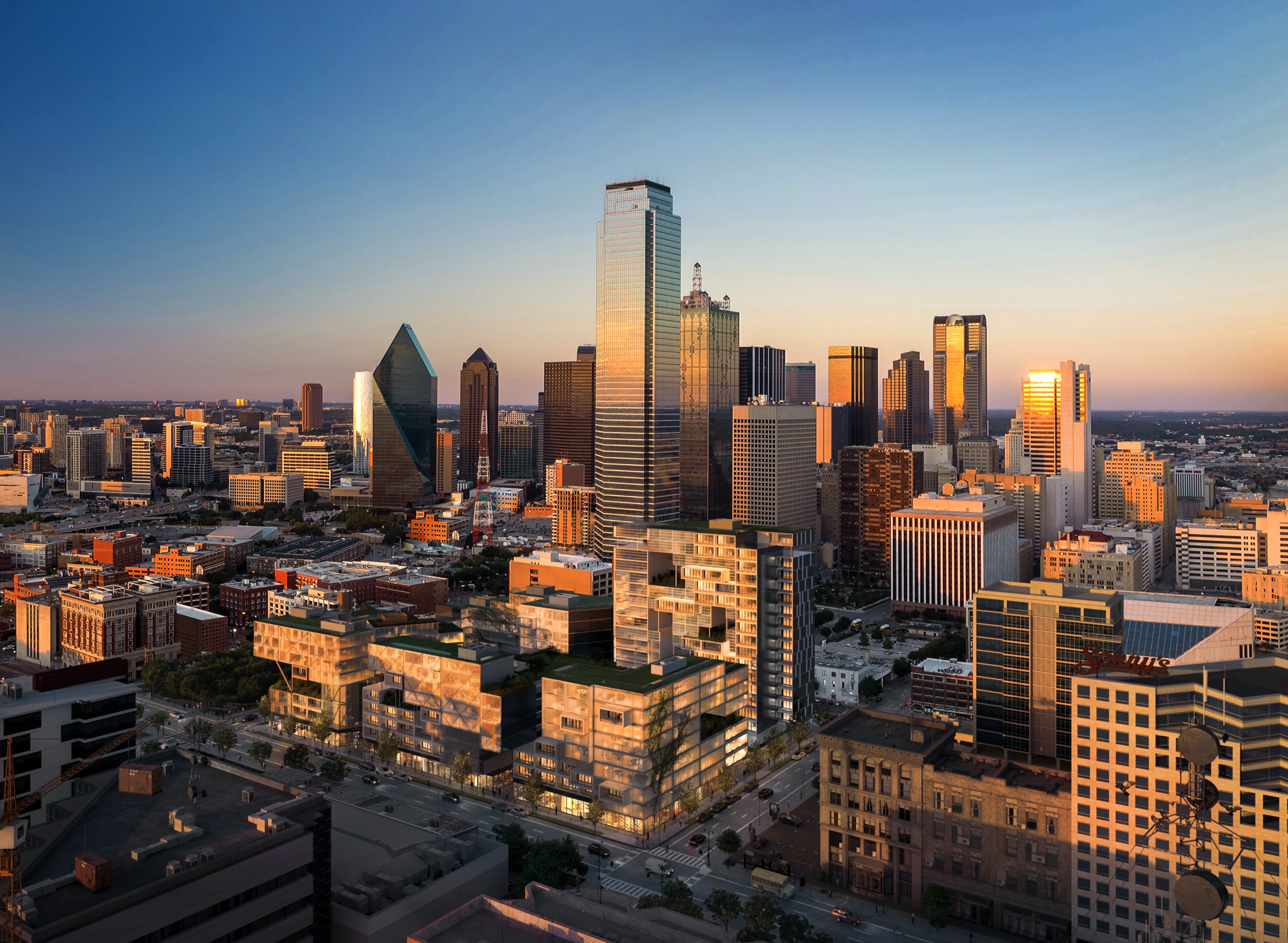
Architectural rendering is the process of creating lifelike digital images or animations that show what a building will look like before it’s built. In 2026, it’s more essential, and more accessible, than ever. Whether you’re an architect, property developer, designer, or marketer, 3D architectural rendering has become a standard tool for bringing ideas to life long before construction begins.
Today’s rendering workflows are faster, smarter, and more collaborative. With the rise of AI-enhanced rendering tools, real-time visualization, and cloud-based collaboration, teams can now work together seamlessly from anywhere in the world.
In this updated guide, we’ll walk you through everything you need to know about architectural renderings in 2026, from the basics and types of renderings, to how they’re created, who uses them, and what they cost.
What Are Architectural Renderings?
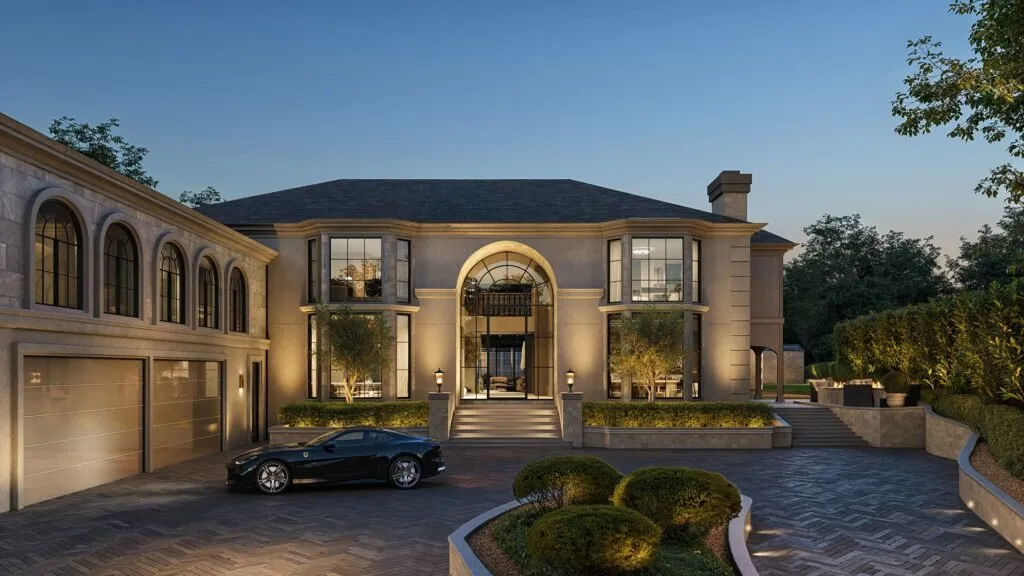
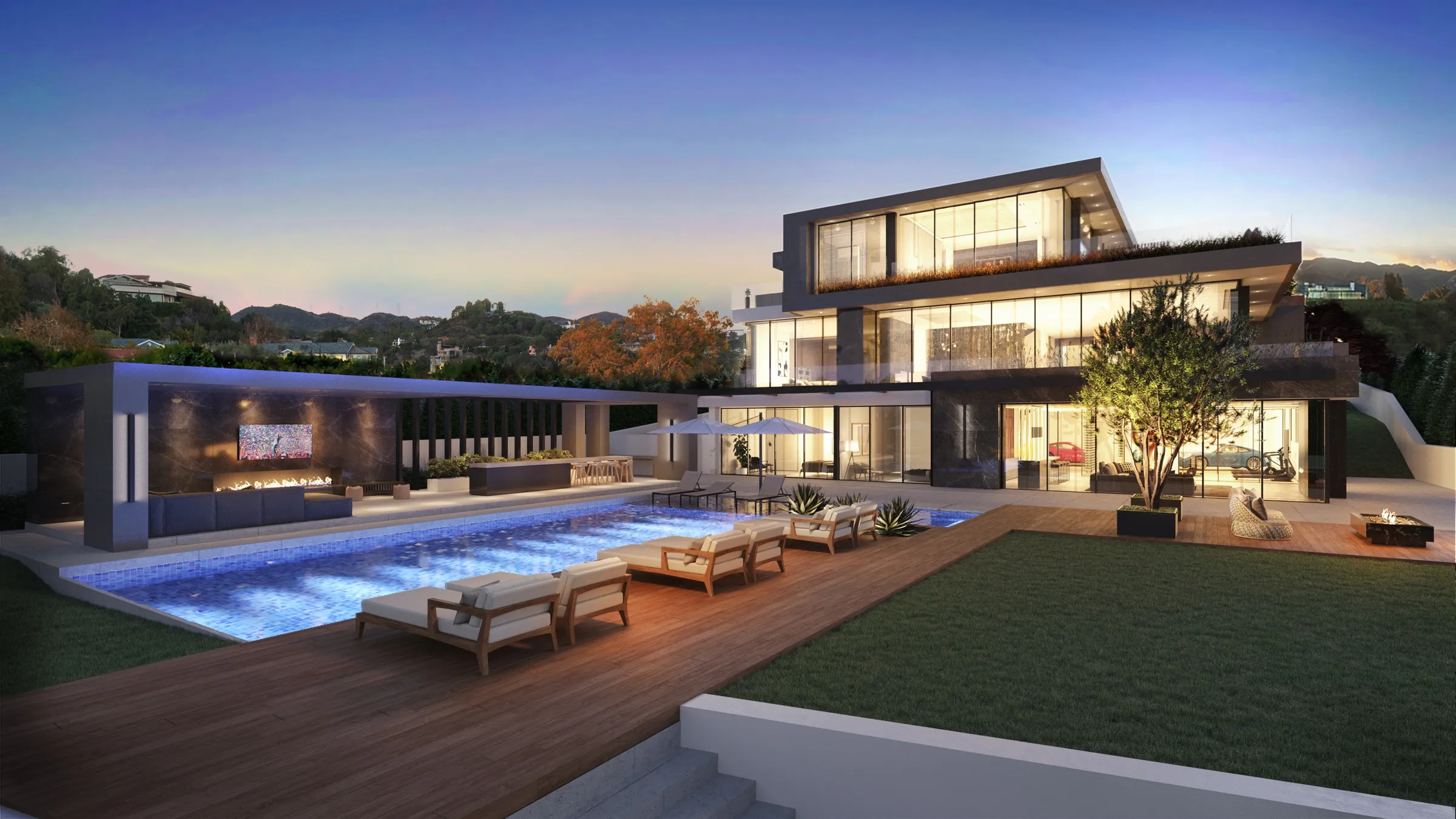
Architectural renderings are computer-generated images (CGI) that represent the visual design of a proposed architectural space or structure. These images help communicate a building’s design, layout, materials, and atmosphere long before physical construction begins.
Renderings are commonly used to:
- Visualize unbuilt or renovated properties
- Present concepts to clients or planning authorities
- Market developments during pre-sales
- Showcase work in professional portfolios
Renderings typically start from architectural plans or CAD drawings, which are transformed into detailed 3D models. These models are then enhanced with realistic lighting, textures, landscaping, and context elements to produce a final visual that is as close to the real thing as possible.
What Is CGI and How Is It Used?
CGI, or Computer-Generated Imagery, is the broader field that powers architectural renderings. It refers to the creation of still images or animations using computer software, used across multiple industries beyond architecture.
In Film and Entertainment
CGI is used to create everything from fully animated films to subtle visual effects in live-action movies. One of the most iconic studios using CGI extensively is Pixar.
In Video Games
In gaming, CGI is used to render 3D environments and characters in real-time as the player interacts with the world. This same technology also supports architectural visualization by allowing interactive walkthroughs.
In Product Marketing
Brands often use CGI to visualize new products before they physically exist. From smartphones to vehicles to food, CGI allows marketers to present polished, consistent visuals.
Usage of CGI in Architecture & Real Estate
In the architectural world, CGI isn’t just about flashy visuals, it’s a strategic tool that improves decision-making, enhances marketing, and drives project momentum.
Pre-Sales & Marketing
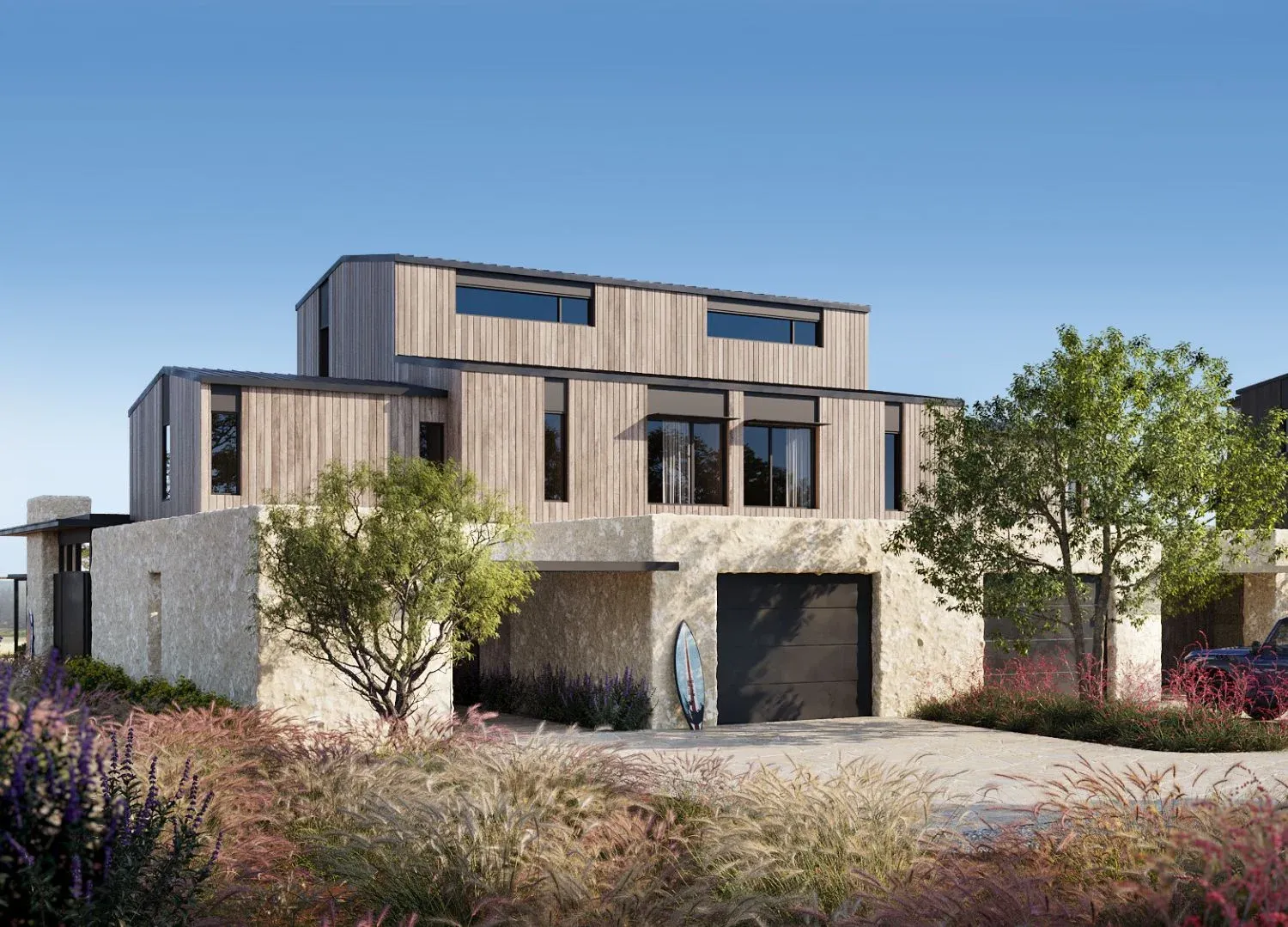
3D architectural renderings are essential for selling real estate before construction begins. Developers use photorealistic renderings in brochures, websites, and listings, often leading to faster sales and higher pre-sale conversion rates.
Investor Presentations
A compelling rendering can bring an idea to life for stakeholders who need to see more than a blueprint. CGI helps secure funding and support.
Client Communication
Renderings help clients visualize the finished project, which improves collaboration, reduces miscommunication, and increases approval rates.
Design Development
Architects and engineers use renderings to spot design flaws, test material options, and experiment with spatial arrangements before construction begins.
Competitions & Planning Approvals
Well-crafted CGI renderings are often the key differentiator in architecture competitions and public project submissions.
Portfolio & Brand Building
Keeping your portfolio fresh with unbuilt but beautifully rendered projects is a great way to attract new clients.
Who Are Architectural Renderings Useful For?
Real Estate Developers
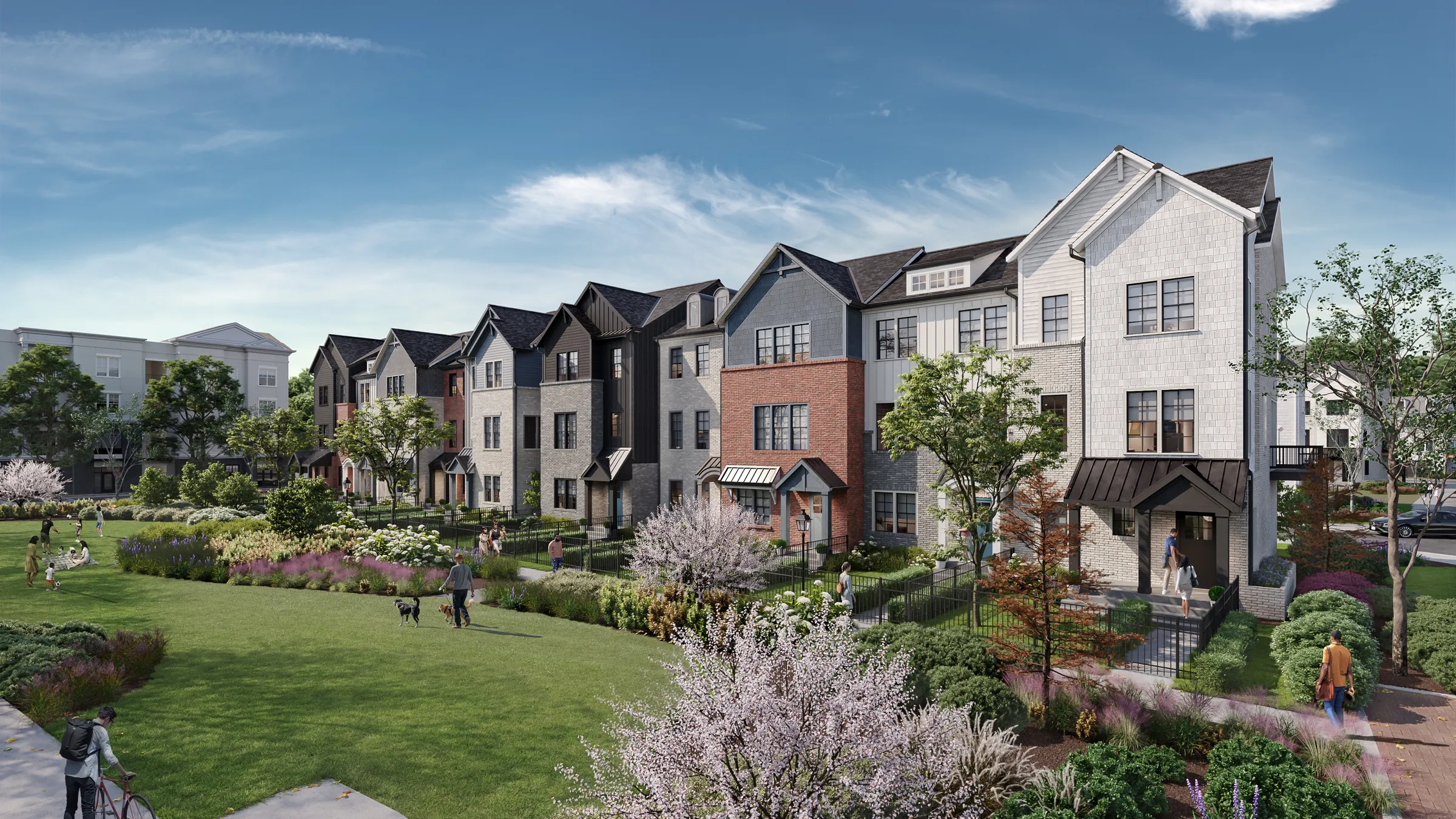
Developers rely on 3D renderings to market and pre-sell properties before they’re built. Visuals help showcase different material options, layouts, and lighting scenarios.
Architects
For architects, 3D rendering is an essential part of the design communication process. It allows them to present design concepts with clarity and iterate quickly.
Interior Designers
Interior designers use renderings to experiment with colors, furnishings, lighting, and spatial arrangements.
Real Estate Agents
Agents use 3D visuals to enhance property listings, websites, and marketing materials.
Common Types of Architectural Rendering
Residential Renderings
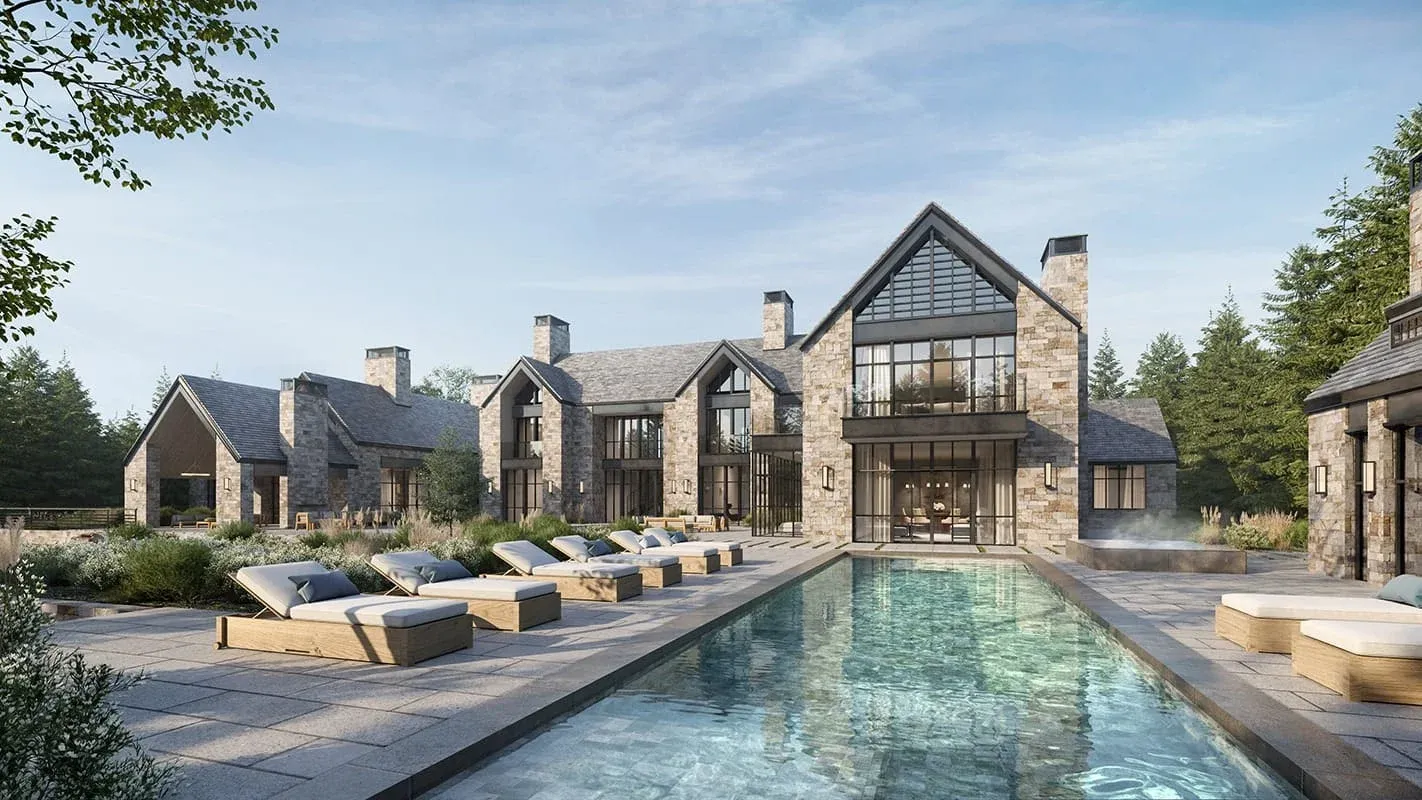
Used to depict single-family homes, townhouses, and apartment interiors or exteriors. Great for showcasing layout options, material choices, and lighting variations to buyers or homeowners.
Commercial Renderings
These renderings represent office buildings, retail complexes, restaurants, and mixed-use developments. Often used in leasing packages and marketing brochures.
High-Rise and Skyscraper Renderings
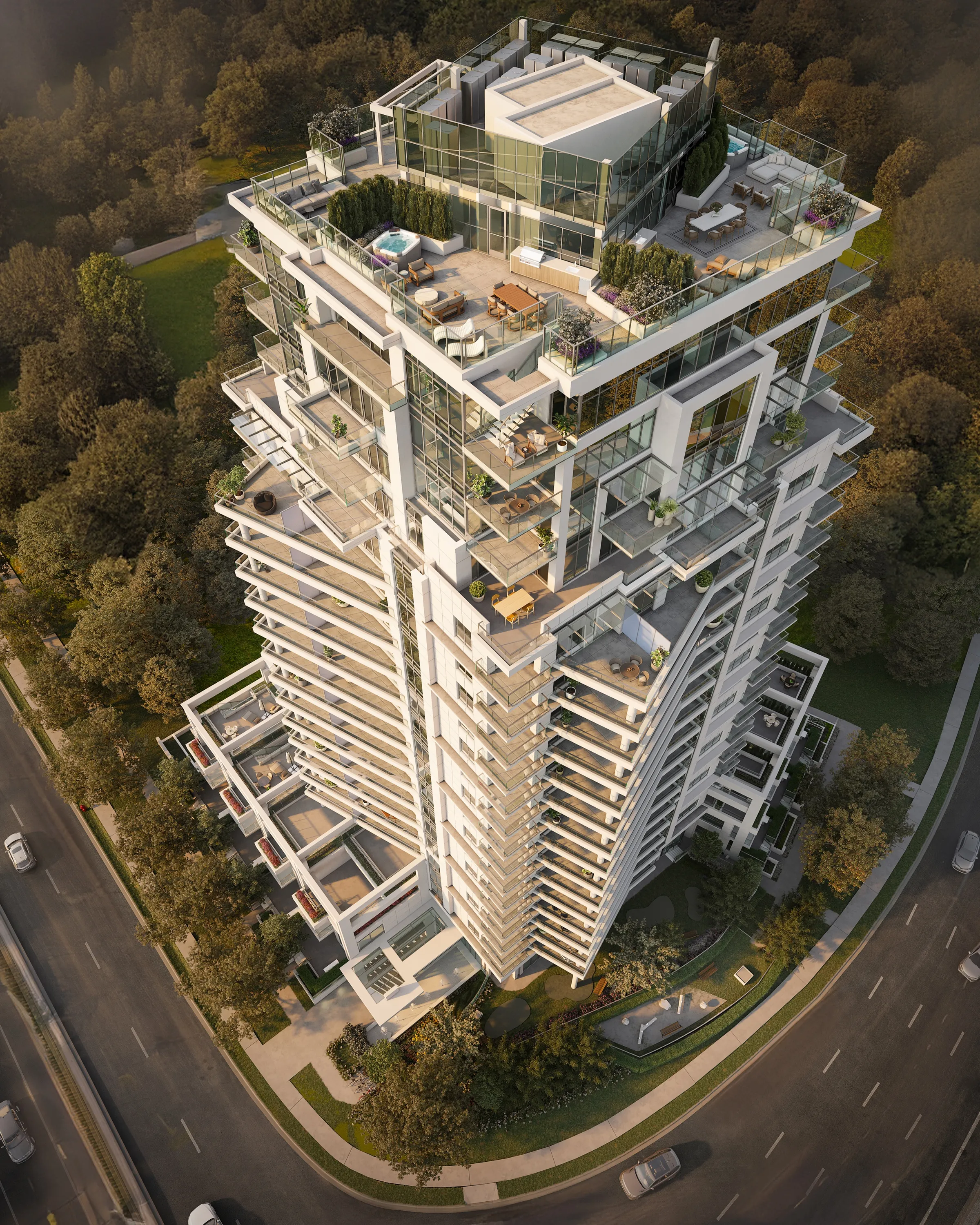
Taller, urban-scale projects like towers and skyscrapers require dramatic perspectives and advanced detailing. Used to communicate scale, urban integration, and skyline aesthetics.
Landscape Renderings
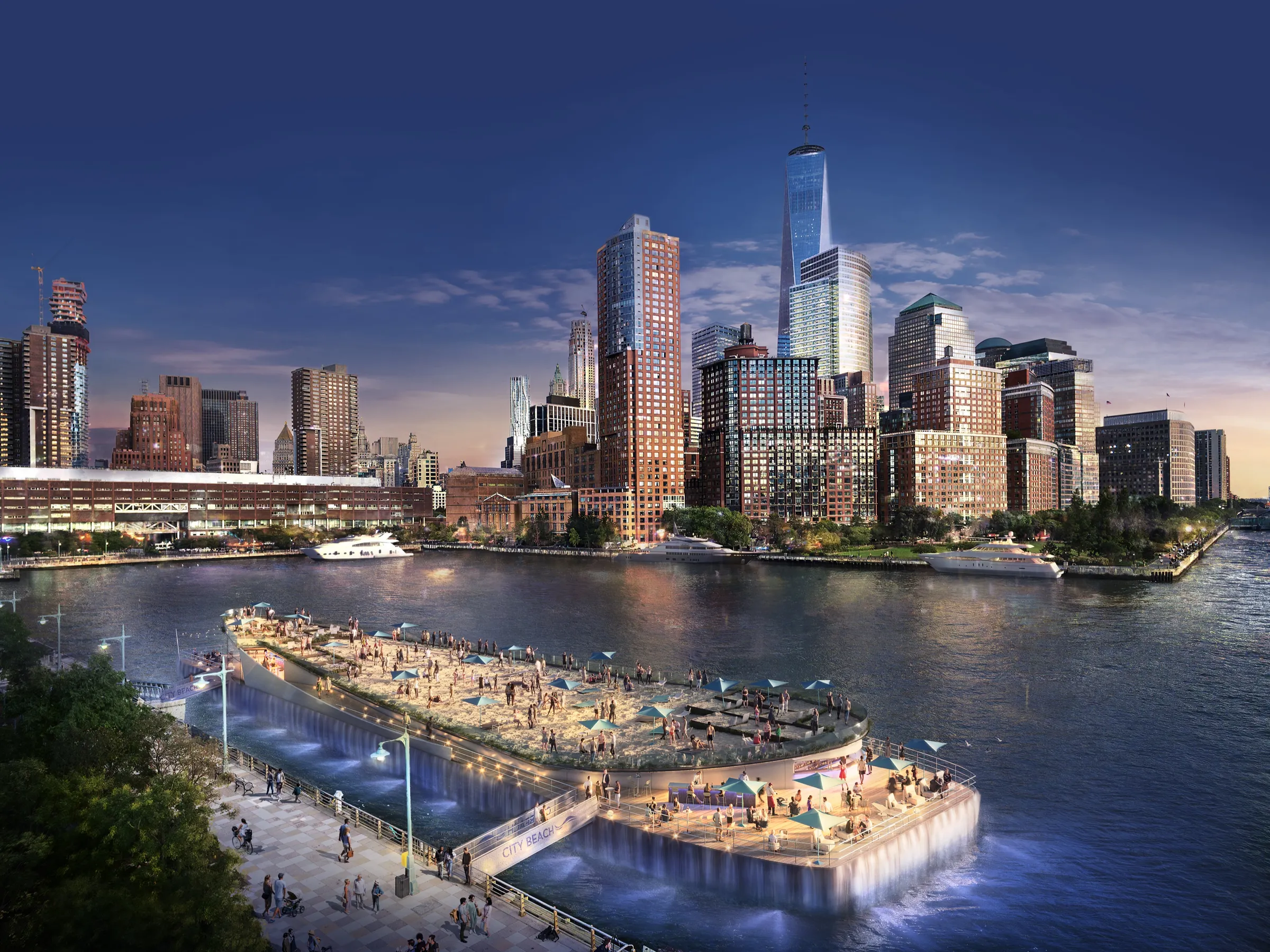
Focusing on the outdoor environment, landscape renderings show how parks, gardens, courtyards, and green roofs will look once completed.
Townhouse and Multi-Unit Residential Renderings
Townhouse renderings highlight façade continuity, shared outdoor spaces, and walkability to support zoning applications or community engagement.
Cost of Architectural Renderings
The cost of 3D architectural rendering can vary significantly based on project size, scope, and level of detail. Across the industry, architectural renderings typically range from about $250 to $5,000 per image, depending on complexity, realism, and the studio’s expertise. The right figure for a specific project depends on its scope and is confirmed before work begins.
3D Rendering Price Estimates (2026)
Need an exact figure? Our full cost of renderings guide breaks down realistic 2026 price ranges by image type, explains how studios calculate their fees, and shows how to estimate a project accurately based on your image count and scale.
3D Rendering Process Workflow
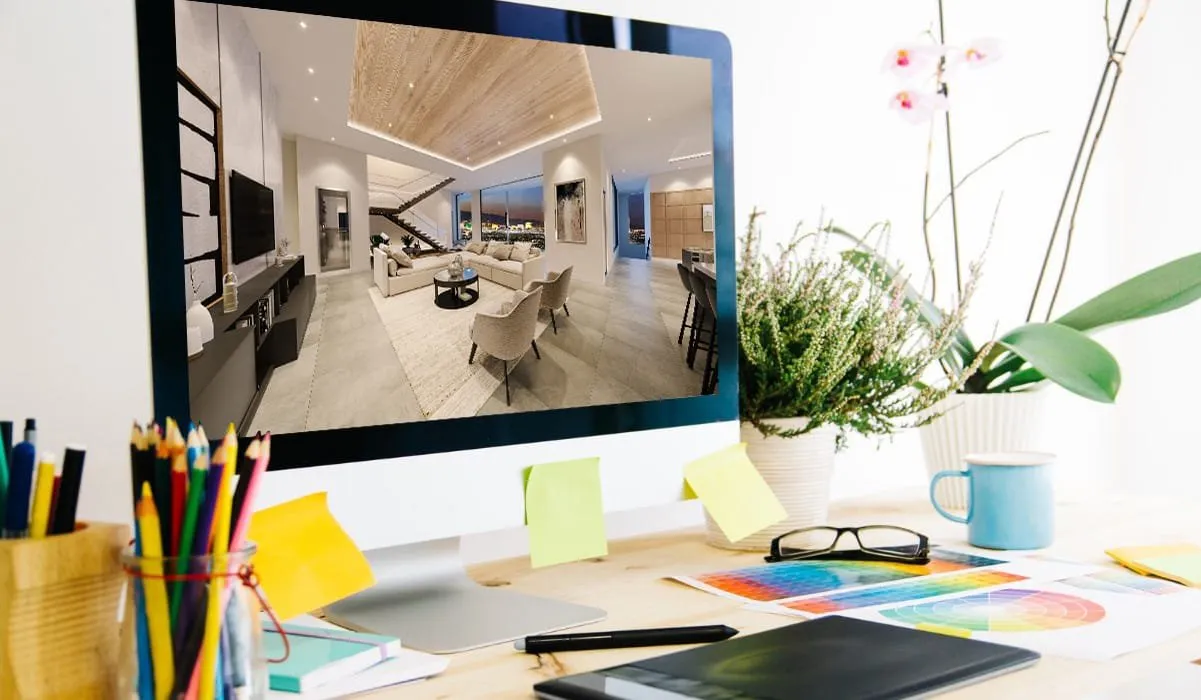
Creating a high-quality 3D architectural rendering is a multi-step process that transforms design files into photorealistic visuals.
Step 1: 3D Modeling
The process begins by converting architectural plans into a 3D model. This forms the foundation of the rendering and defines the shape, proportions, and structure.
Step 2: Art Direction
The team works with the client to establish the visual mood: materials, lighting, furniture, environment, time of day, and any human or lifestyle elements.
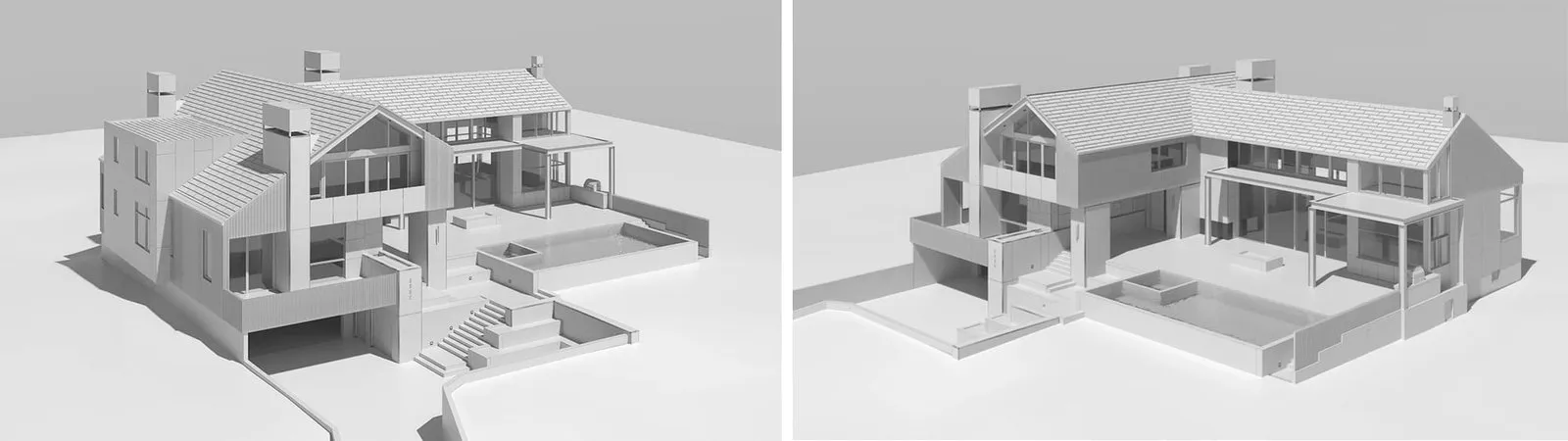
Step 3: Grayscale Previews
Before adding color or textures, grayscale renderings, often called white-model or clay renders, are produced to explore different camera angles and ensure accurate geometry. This stage is more important than it looks. With color and materials stripped away, there is nothing to hide behind, so the composition, proportions, and camera framing get locked while they are still cheap to change.
Approving the grayscale is where most of the real decisions actually happen. Once everyone agrees on the angle and the geometry, the photoreal pass is largely a matter of execution. It is one of the clearest lessons from what 500+ projects taught us about 3D rendering: the projects that run smoothly are the ones that got the white model right before anyone argued about a sofa.
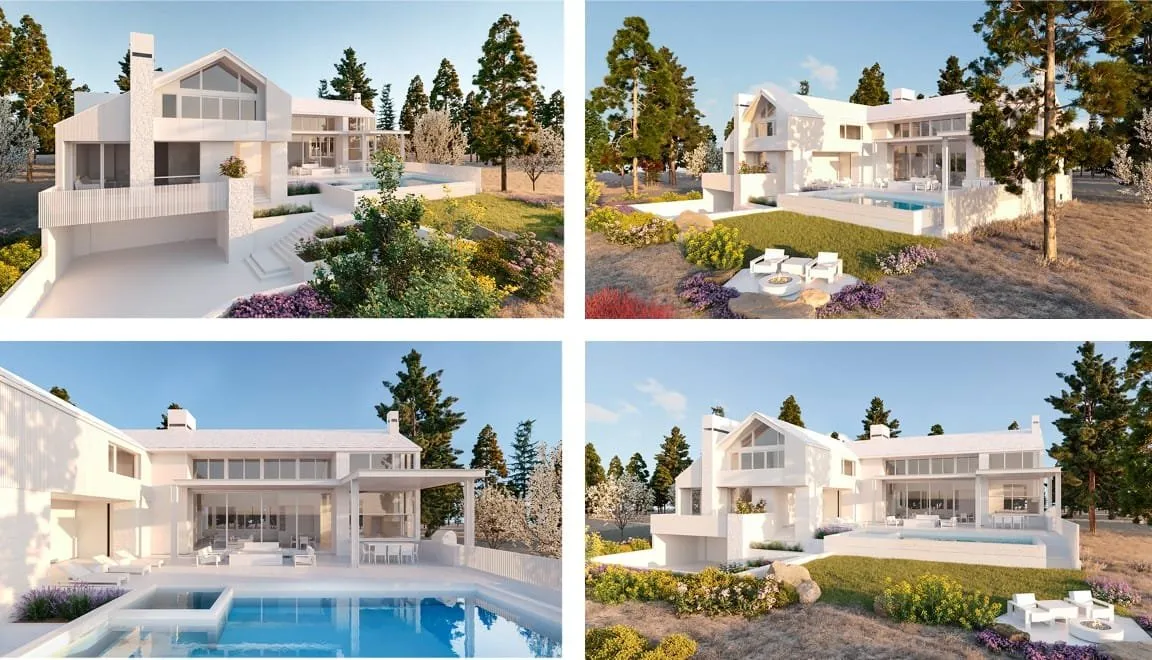
Step 4: Color & Texture Rendering
The model is enhanced with lighting, materials, and realistic textures based on the approved art direction. This results in the first photorealistic draft.
Step 5: Revisions & Final Rendering
After reviewing the draft, the client can request changes; the number of revision rounds included is confirmed in the proposal. Once approved, the final rendering is produced in high resolution.
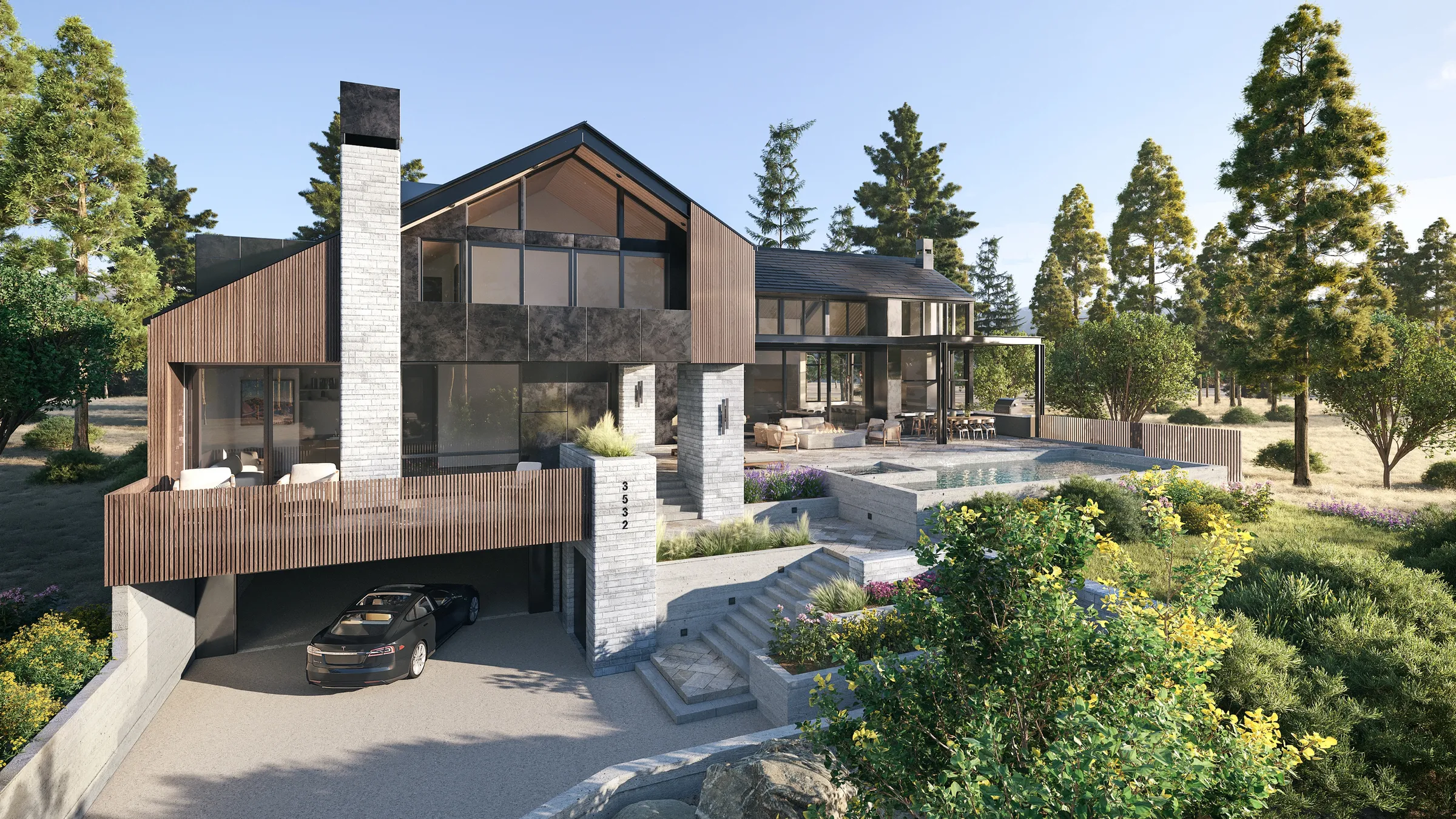
You can follow this whole sequence, from the model through to the final images and animation, in our Clear Creek case study.
Timeline of a 3D Rendering Project
Estimated Timelines by Project Size
Small projects can be completed in under a week, while large-scale developments may take several weeks or longer.
What Affects Project Duration?
- Project size and detail level
- Number of views or images required
- Availability of references (CAD files, material specs, etc.)
- Rounds of revisions requested
- Whether the timeline is expedited

Choosing a CGI Studio and Starting the Job
Picking the right studio is the decision that most affects the result, and it deserves more than a glance at a portfolio. For the full checklist, including the questions that separate a genuine partner from a vendor and the red flags to watch before you sign, read our guide on how to choose a 3D rendering studio. The short version:
1. Review Their Portfolio
Always start by looking at a studio’s portfolio. This gives you a sense of their style, quality, and range.
2. Ask About Their Process
Understanding how a studio works will help set expectations around communication, timelines, and revisions.
3. Evaluate Communication
Pay attention to how they respond in the early stages. Clear and timely communication is a sign of a professional studio.
4. Start with a Small Scope
If you’re unsure, consider starting with one or two images before committing to a full project.

Learn More About Architectural Visualization
- Pre-selling real estate with 3D visualization: how the images earn their cost by selling, funding, and winning approvals before a build.
- How to choose a 3D rendering studio: the criteria that separate a partner from a vendor, and the red flags to watch before you sign.
- What 500+ projects taught us about 3D rendering: patterns from hundreds of real projects, including where cost and quality actually diverge.
- The cost of renderings: realistic 2026 pricing broken down by image type.
- Top benefits of 3D exterior rendering.
Conclusion
Architectural renderings play a pivotal role in bringing design concepts to life, both in architecture and beyond. They provide a visual bridge between vision and reality, helping designers, developers, and marketers communicate ideas with accuracy and emotion.
Thanks to advances in CGI, renderings are now more detailed, immersive, and accessible than ever. From real estate presales and investor decks to client presentations and marketing portfolios, 3D architectural renderings offer unmatched value at nearly every stage of a project.
FAQs
What are architectural renderings?+
Computer-generated visuals that show how a building or space will look before construction.
How is CGI used in architecture and real estate?+
CGI helps developers pre-sell properties, attract investors, and present accurate visuals that speed up approvals.
What is the rendering process?+
It involves 3D modeling, lighting, texturing, and post-production to create realistic images or animations.
What are the most common types?+
Commercial, residential, skyscraper, and landscape renderings.
How much do architectural renderings cost?+
Cost varies based on complexity and requirements, ranging from a few hundred dollars per image to several thousand for larger projects. See our cost of renderings guide for a full 2026 breakdown.