
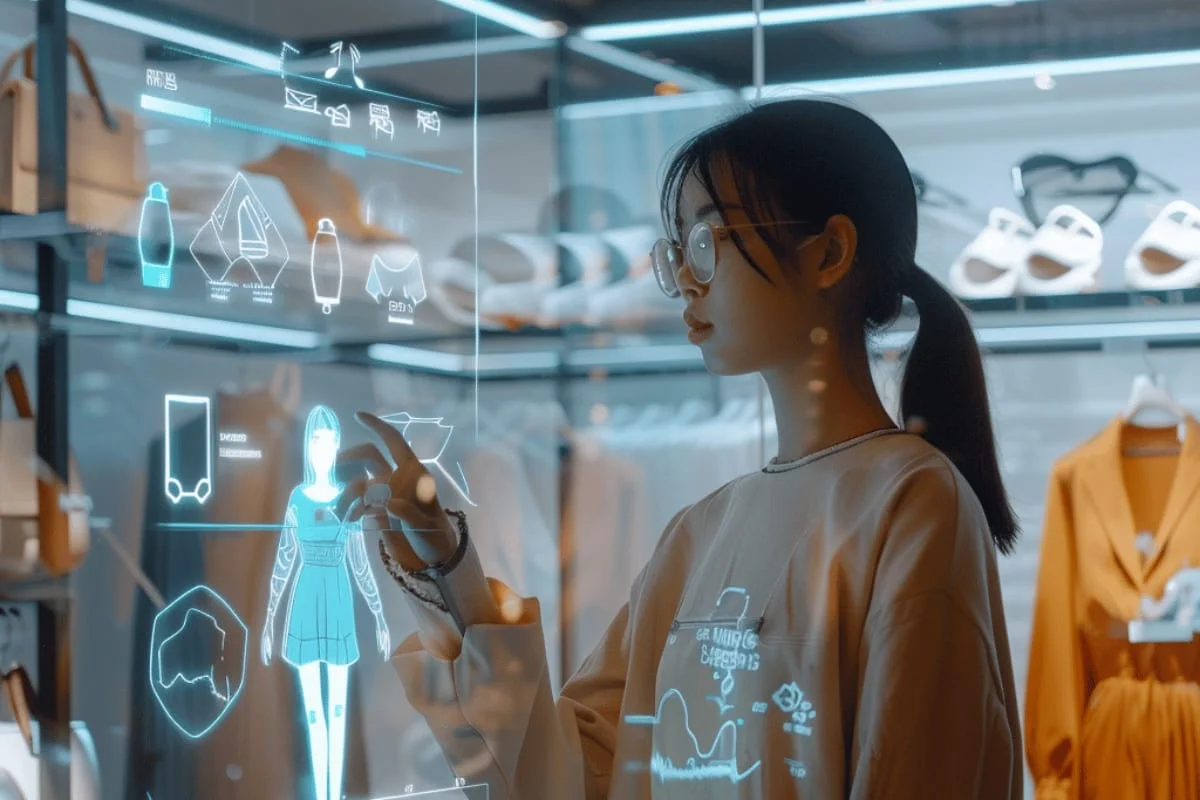
As the world of e-commerce continues to evolve, staying ahead of the competition means adopting innovative technologies that not only enhance the shopping experience but also streamline operations and boost sales.
Key Takeaways
- Enhanced Engagement: 3D models create a more interactive shopping experience.
- Higher Conversion Rates: Customers are more likely to purchase after interacting with 3D products.
- Reduced Returns: Accurate 3D representations help customers make informed decisions.
- Customization Options: 3D models allow for product personalization, boosting satisfaction.
- Future-Proofing: Staying ahead with 3D technology ensures competitiveness in a growing market.
Understanding 3D E-Commerce
What is 3D E-Commerce?
3D product rendering creates lifelike digital images of products using advanced computer graphics, letting designers and marketers showcase products dynamically.
Traditional e-commerce uses static images and text; 3D e-commerce lets customers rotate, zoom and explore products in a virtual space, building purchase confidence and reducing returns.
The Evolution of 3D Models in E-Commerce
On an early project adding 3D models alongside 2D images to a client’s online store, customers hesitant about high-end furniture became confident in their purchases, lifting sales and reducing returns.
Incorporating 3D models for e-commerce is like turning a flat painting into a 3D sculpture — particularly powerful for visually driven categories such as furniture, fashion and electronics.
The Mechanics of 3D E-Commerce
The workflow begins with 3D modeling in specialized software, followed by texturing, lighting, and rendering into high-quality images or interactive visualizations.
A 3D product rendering company handles this process with state-of-the-art tools to deliver photorealistic, e-commerce-ready renders that differentiate a brand.
Benefits of 3D eCommerce
Enhanced Customer Engagement
Static images often fail to convey a product; interactive 3D models drive engagement and immersion.
Being able to rotate a 3D watch and inspect its details — or assess how a furniture piece fits a room via 3d product visualization — makes buying more intuitive.
Higher Conversion Rates
Customers explore products fully before buying, reducing uncertainty and building confidence. A high-end shoe retailer integrating 3D models saw a 40% increase in conversion within three months.
Reduced Return Rates
Returns often stem from mismatched expectations; accurate 3D representations help customers choose correctly. In fashion, 3d product renders show garments from all angles on virtual models, lowering returns and building trust.
Customization Options
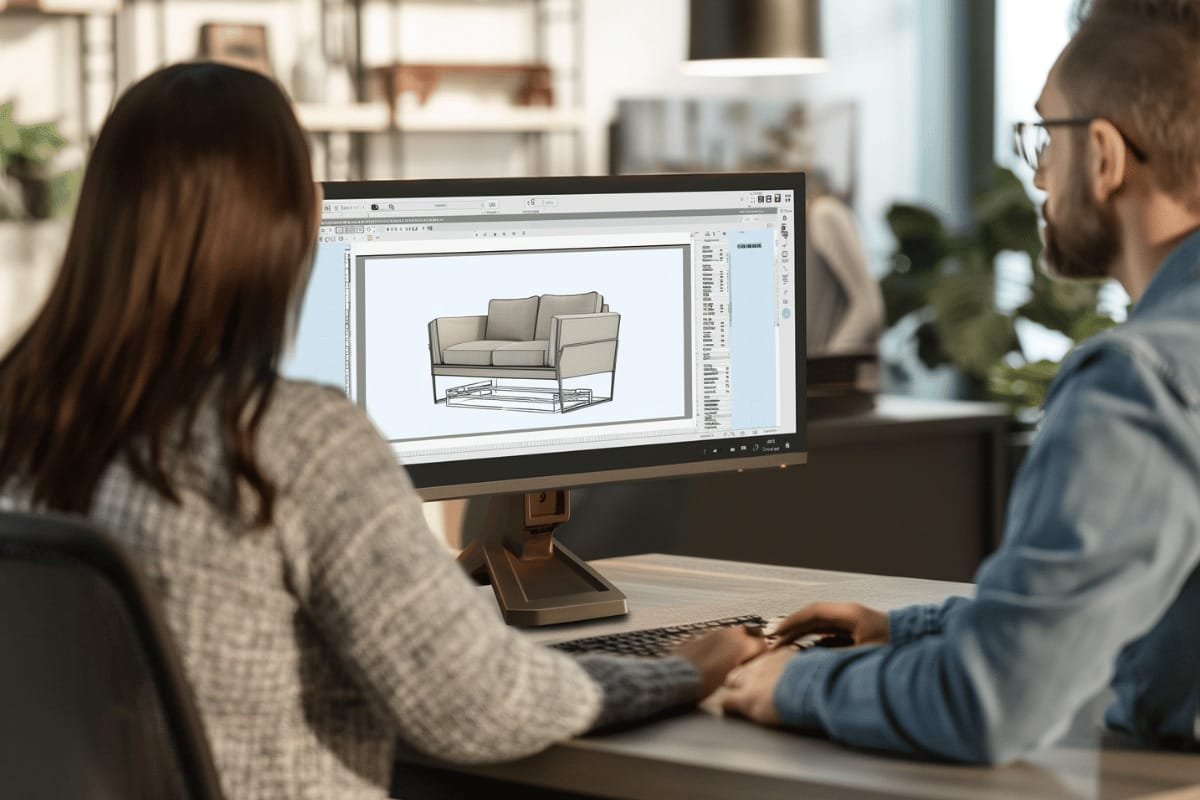
Real-time personalization — colors, materials, features — lets customers create tailored products and helps brands stand out. A furniture client’s 3D sofa configurator lifted sales by 30%.
Future-Proofing Your Business
Adopting 3D e-commerce, AR and VR keeps brands competitive with tech-savvy consumers. AR for previewing a coffee table at home, or VR car tours, are powerful engagement and loyalty tools — not novelties.
Implementing 3D Models in eCommerce
Creating 3D Models: Scanning, Photogrammetry, and 3D Design
Three main methods: 3D scanning (accurate for complex shapes), photogrammetry (cost-effective via photos from multiple angles), and 3D design software (build from scratch).
Working with a reputable 3D product rendering company ensures models are accurate, detailed, and optimized for e-commerce.
Choosing the Right Software and Platforms
Consider ease of use, integration, and large-file handling when picking tools. Options include Sketchfab (hosting/sharing), Shopify’s 3D model integration, and Unity/Unreal Engine for advanced AR/VR experiences.
Developing Virtual Spaces for 3D Interaction
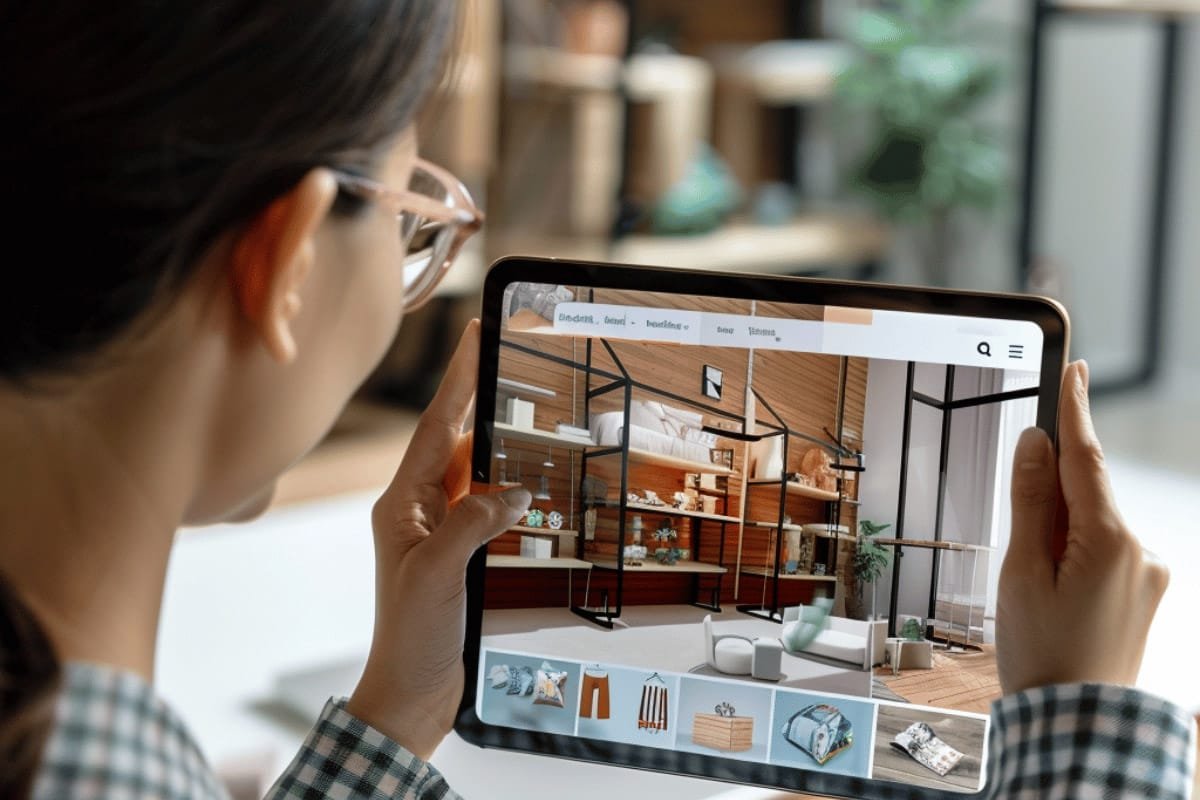
Virtual spaces range from simple product viewers to fully immersive showrooms. A furniture virtual showroom could let customers arrange 3D pieces in a virtual room — both improving UX and yielding customer behaviour insights.
Overcoming Challenges in 3D eCommerce
Technological Learning Curve
Adopting 3D requires expertise in 3D design and platform integration. Decision-makers should invest in training, specialists, or partnerships with 3D rendering companies to build long-term capability.
Cost and Time Investment
Modeling, scanning, and rendering are resource-intensive but typically pay off in sales and lower returns. Start with key products to test impact, then scale; a 3D product visualization service can streamline the process.
A rendering partner offers scalable, tailored solutions with access to the latest tools, keeping models high-quality and cost-effective.
Large File Sizes and Site Performance
High-resolution 3D models can hurt load times and customer experience. Optimize by reducing polygons, compressing textures, using efficient formats, and leveraging CDNs.
User Education and Interface Design
Not all customers know how to interact with 3D — UX must be intuitive. Use tooltips, instructional videos and user guides to teach rotation, zoom and customization.

Measuring Success in 3D eCommerce
Key Performance Indicators (KPIs) to Monitor
Track Conversion Rate, Average Order Value (AOV), Return Rate, and Customer Engagement metrics to assess impact.
Tools for Collecting and Analyzing Data
Google Analytics and built-in e-commerce analytics surface user behaviour, engagement and conversion data to drive optimization.
Case Studies of Successful 3D E-Commerce Implementations
Real-world examples — e.g., an electronics retailer seeing a 25% online sales lift in six months after enabling detailed 3D exploration — show 3D’s power to build buyer confidence.
3D e-commerce is transformative for online retail, driving engagement, conversions and future-readiness for businesses of any size.
Conclusion
3D ecommerce is a transformative approach to online retail: integrating 3D models enhances the shopping experience, drives engagement and conversions, and future-proofs the business.
Start exploring 3D e-commerce today; with the right strategy and tools, 3D models create a more interactive, engaging and successful online experience.
FAQs
What is 3D e-commerce? 3D e-commerce uses 3D models to provide a more interactive and realistic online shopping experience.
How do you create 3D models for e-commerce? 3D models can be created through 3D scanning, photogrammetry, or 3D design software.
How can 3D e-commerce reduce return rates? By providing accurate representations of products, customers make more informed decisions, reducing the likelihood of returns.
What are the benefits of 3D e-commerce? Increased engagement, higher conversion rates, reduced returns, customization options, and staying competitive.