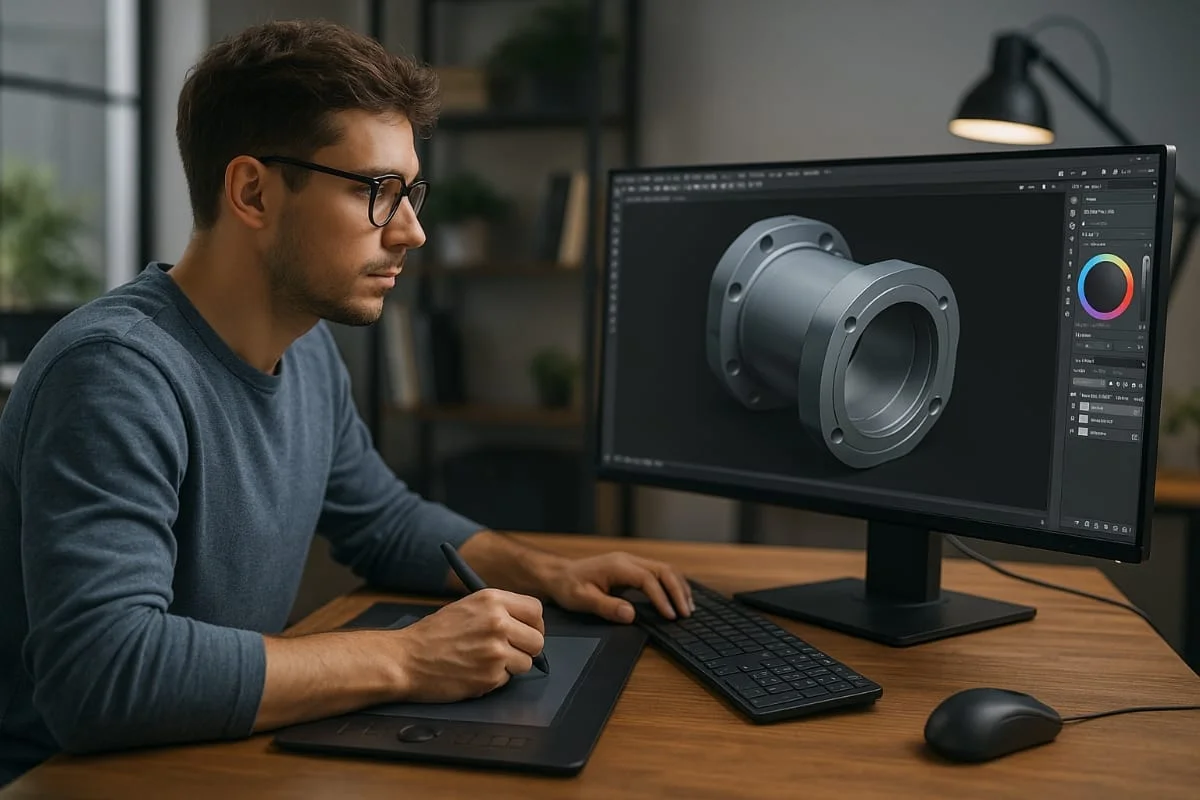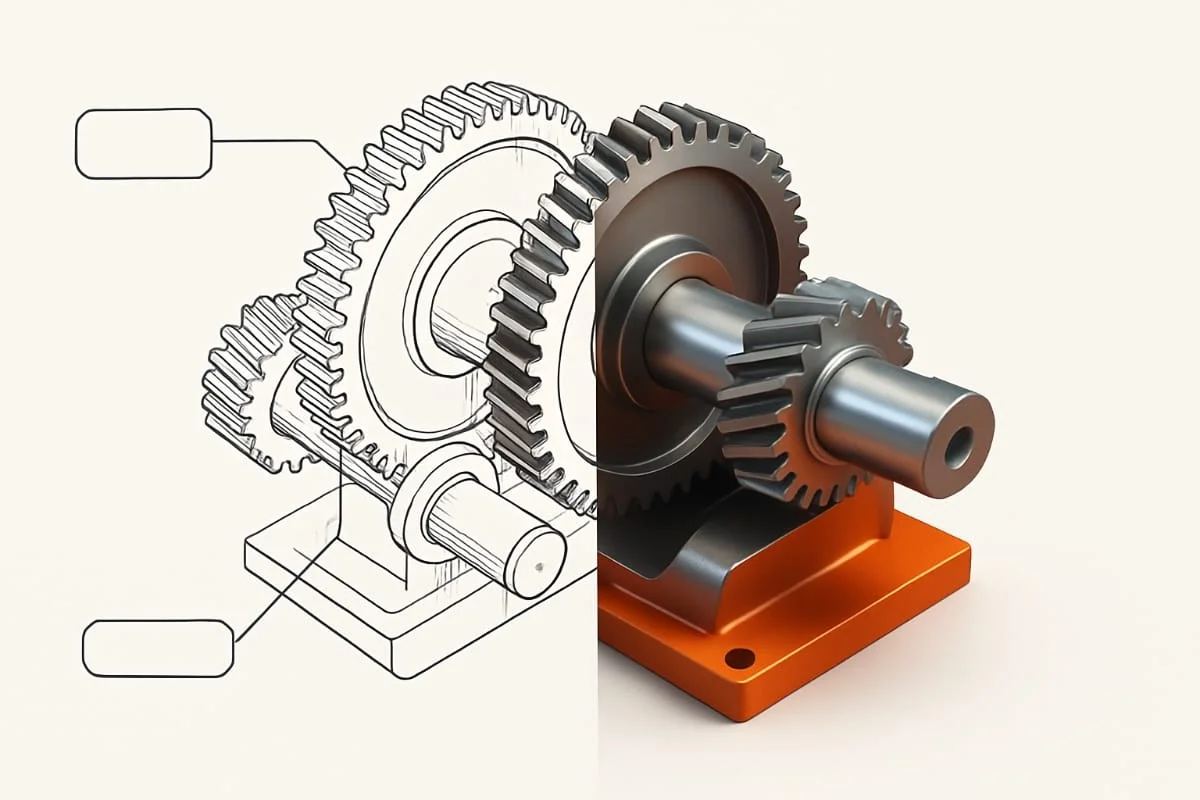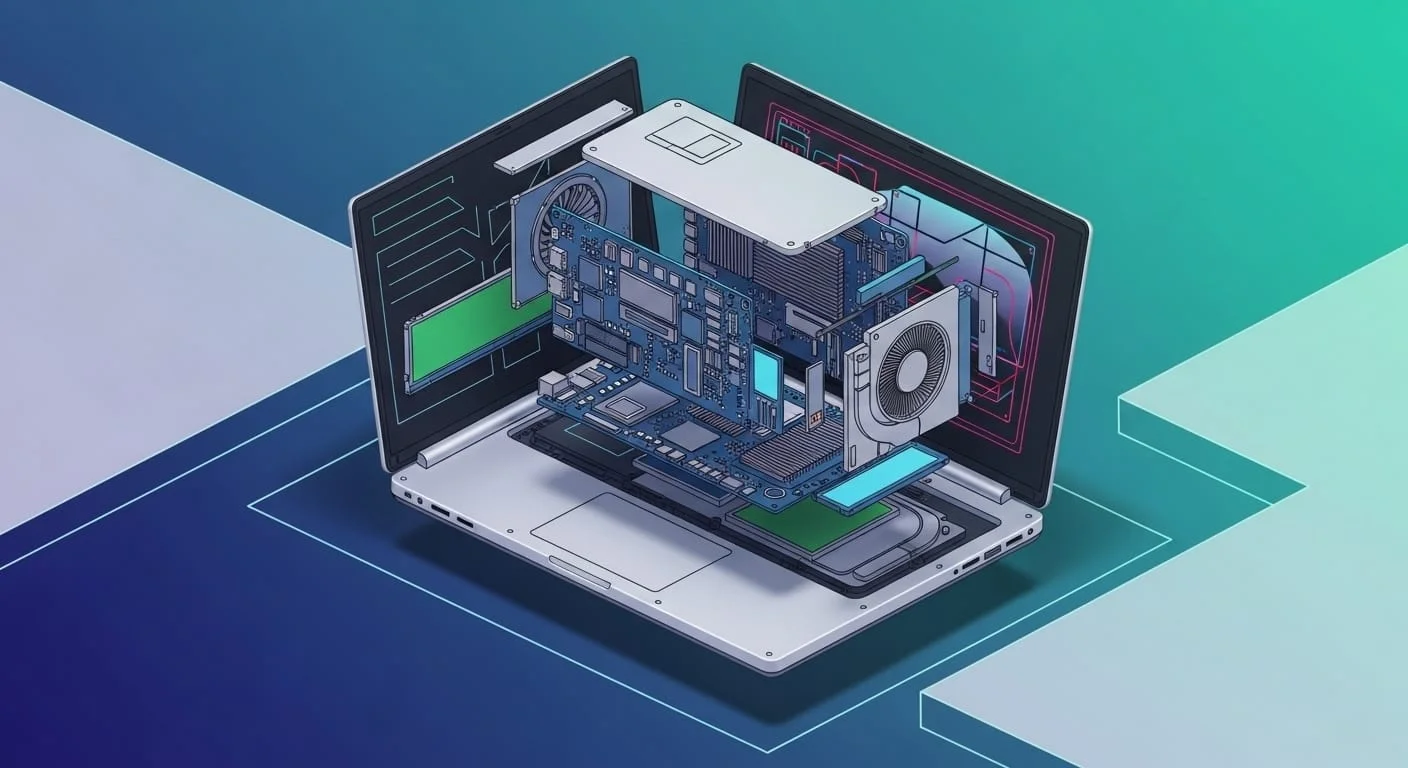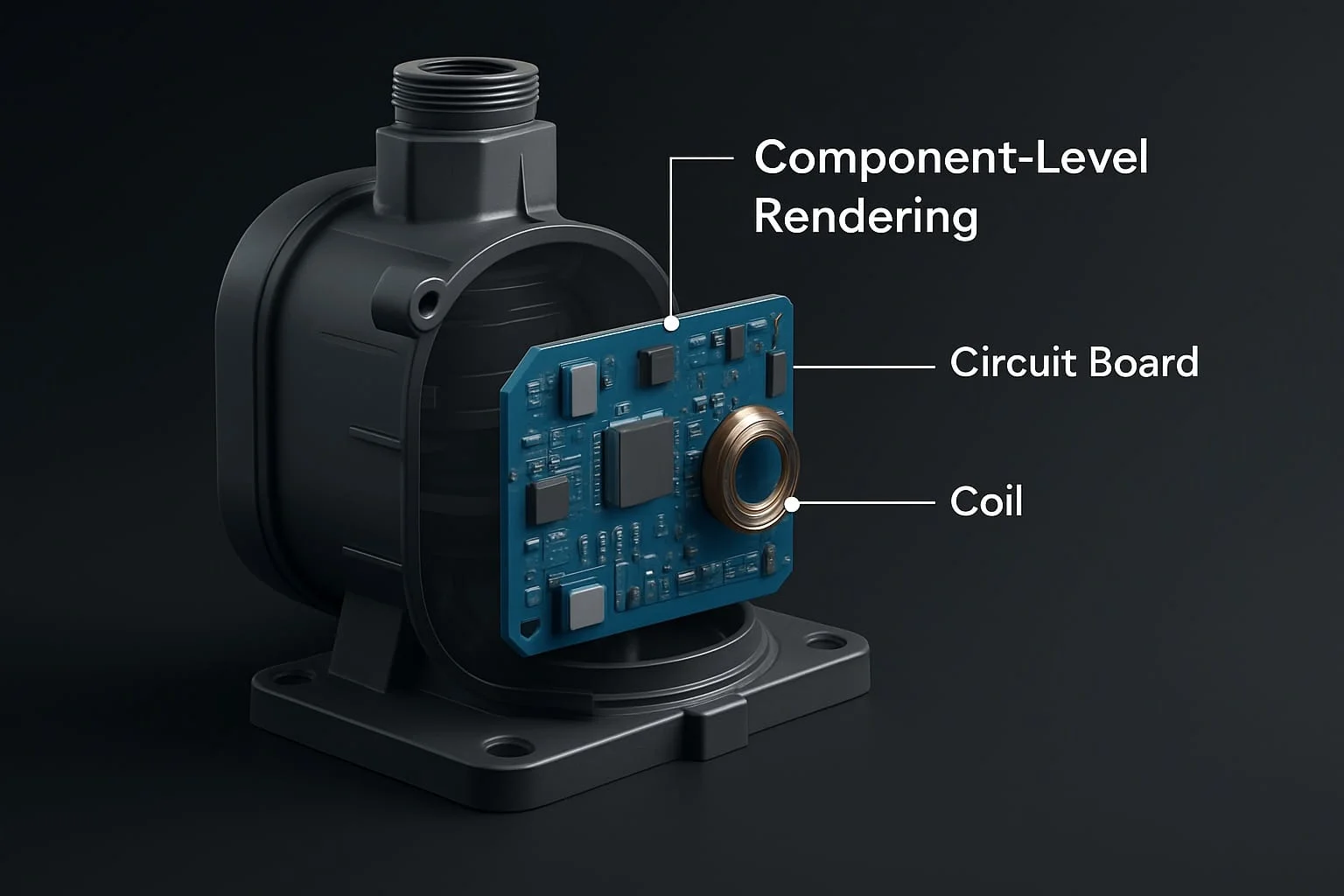
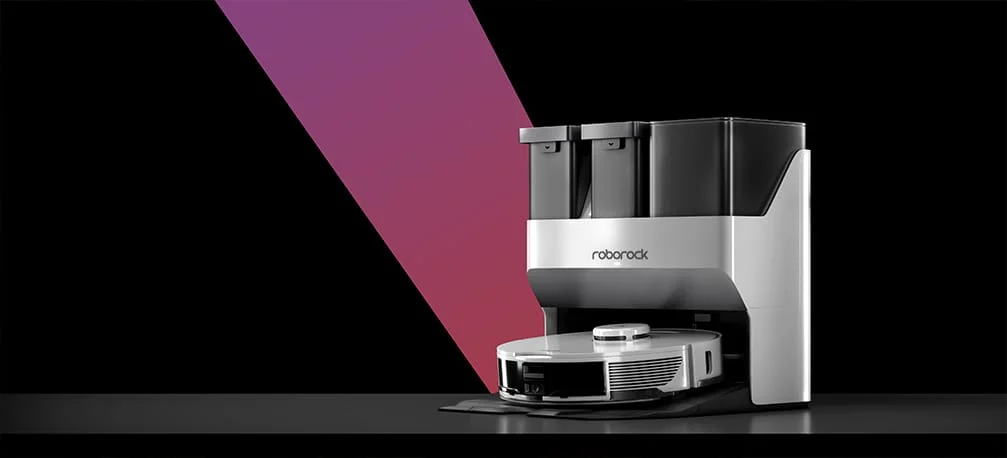
In the realm of product design and marketing, 3D product rendering has emerged as a pivotal tool, revolutionizing the way we visualize and present products. At its core, it involves creating lifelike digital images of products using advanced computer graphics, allowing designers and marketers to showcase products in a more dynamic and engaging way.
This article explores 3D product rendering with a focus on sustainability, integration with emerging technologies, and collaboration in the design process — showing how 3D rendering fosters a more efficient and eco-friendly approach to product design.
Key Takeaways
- Definition: 3D product rendering is the process of creating lifelike digital images of products using specialized software, allowing detailed visualization before physical production.
- Applications: Widely used in marketing, product design, and architectural visualization, creating immersive and interactive experiences for customers.
- Advantages: Cost-effective prototyping, easy customization of product visuals, and enhanced online shopping experiences.
- Techniques: Involves 3D modeling, texturing, lighting, rendering, and post-production to achieve photorealistic results.
- Impact: Revolutionizes how products are designed, marketed, and presented.
The Basics of 3D Product Rendering
3D product rendering is the digital technique used to create photorealistic images of products via 3D modeling software, then texturing, lighting, and rendering into final images or animations. It is used across consumer goods, electronics, automotive, and fashion industries.
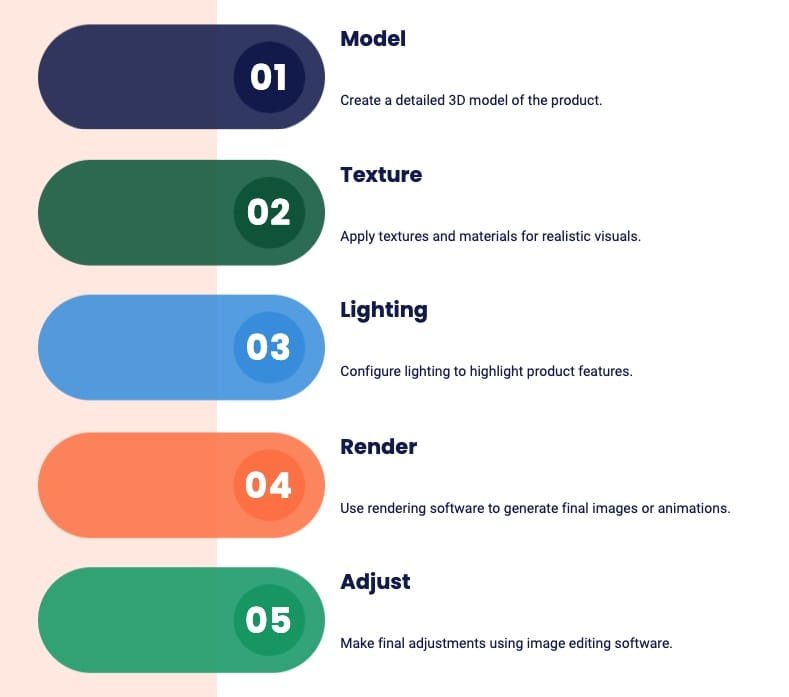
The process is broken down into key stages:
- 3D Modeling: a digital, mathematical model of the product is created in 3D software.
- Texturing: textures and materials (colors, patterns, surface detail) are applied for realism.
- Lighting: light sources are set up to mimic natural/artificial light, creating shadows and dimensionality.
- Rendering: the software calculates how light interacts with materials to produce the final image.
- Post-Production: rendered images are refined in image editing software (color, contrast, final touches).
Following these steps lets designers and marketers produce highly detailed visuals for marketing, advertising, design validation, and virtual prototyping.
Sustainable Design through 3D Product Rendering
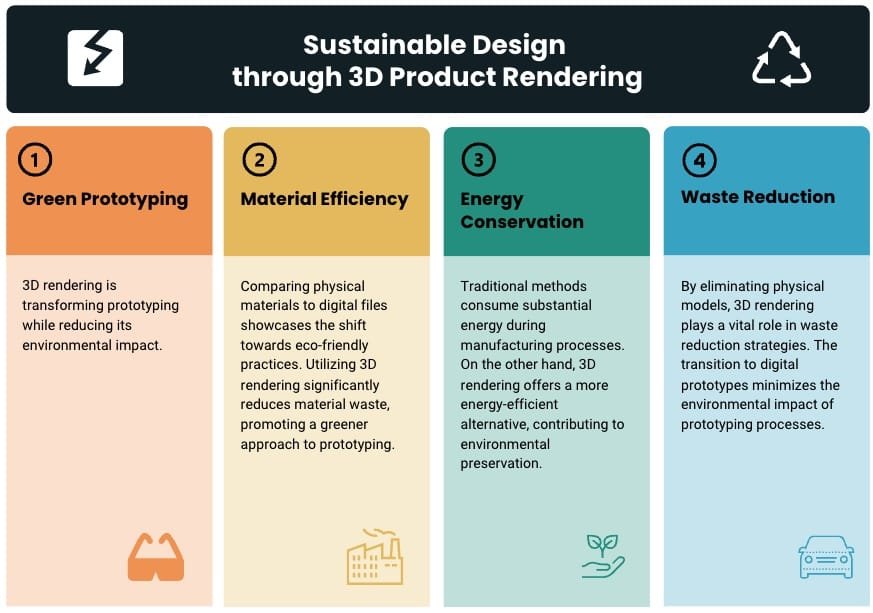
3D product rendering promotes sustainable design by letting designers iterate digitally, drastically reducing the need for physical prototypes and minimizing material waste.
A key environmental benefit is a reduced carbon footprint versus traditional prototyping, which requires transportation, energy-intensive manufacturing, and non-renewable materials. 3D rendering is a virtual process that eliminates these resource-intensive steps.
Traditional prototyping involves multiple stages, each with its own environmental impact, from material extraction to disposal. 3D rendering is a more streamlined process that significantly reduces the overall environmental footprint.
By adopting 3D rendering, designers and companies embrace a more sustainable approach aligned with global efforts to reduce environmental impact.
Enhancing Interactivity with AR and VR
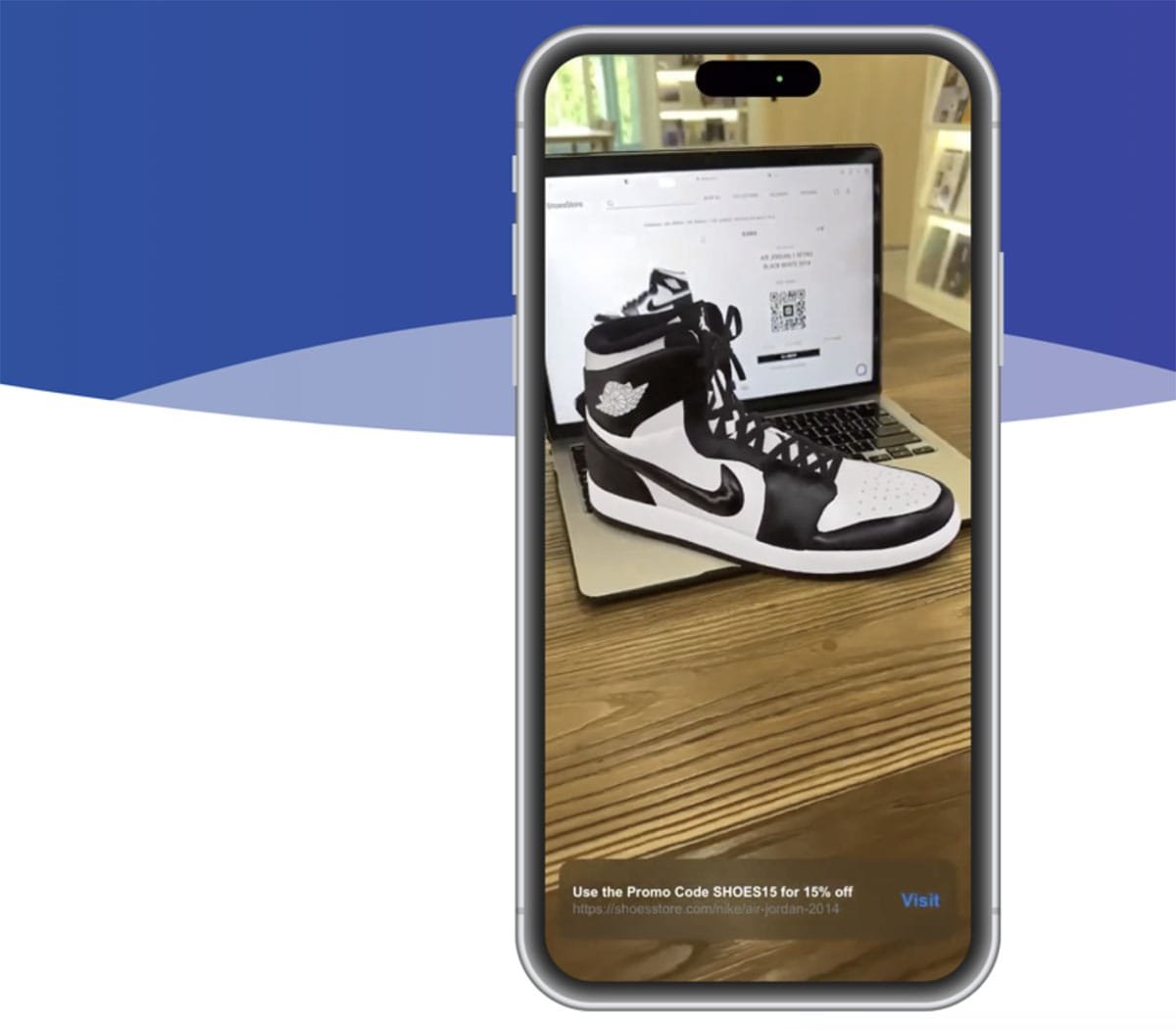
Integrating 3D rendering with augmented reality (AR) and virtual reality (VR) is revolutionizing customer interaction with products, offering more engaging and immersive ways to explore them.
AR and VR applications in 3d product visualization let customers see and interact with virtual products in real-world contexts — e.g., previewing furniture in their living room with AR, or fully exploring/customizing a product via VR.
Benefits include greater engagement, better understanding of features and functionality, and more informed purchasing decisions. AR/VR experiences are also shareable and remotely accessible.
By embracing AR and VR, companies leverage 3D rendering to create dynamic, interactive experiences that differentiate them in a competitive market.
Collaborative Design and Workflow Management
Collaboration is crucial in 3D rendering; teamwork, clear communication, and project management ensure smooth, successful design projects.
The Product design process involves multiple stages from concept to final rendering. Fostering collaboration at each stage produces a more cohesive, well-considered final product.
Best practices for collaboration in 3D design include:
- Clear Communication: open channels for ideas, feedback, and issue resolution.
- Defined Roles and Responsibilities: clarity and accountability per team member.
- Centralized File Management: shared system ensuring access to latest assets.
- Regular Check-ins: meetings to track progress and adjust the plan.
- Feedback and Iteration: a culture of constructive feedback to continually improve renderings.
Prioritizing collaboration across concept, planning, rendering, and post-production stages ensures high-quality results.
Conclusion
3D rendering is more than a visualization tool — it’s a catalyst for innovation and efficiency in product design and marketing.
Its sustainability potential is compelling: reducing physical prototypes conserves resources and minimizes waste. Integration with AR/VR unlocks new interactive, immersive experiences that boost engagement.
Collaboration is another key benefit, enabling distributed teams to work more effectively, reducing errors and streamlining the process.
In conclusion, 3D product rendering offers powerful advantages for designers, marketers, and businesses — improving sustainability, interactivity, and collaboration.
Frequently Asked Questions
How to make 3D product renders?
- 3D Modeling: Use 3d modeling software to create a digital model of your product.
- Texturing: Apply textures and materials to the model to give it a realistic appearance.
- Lighting: Set up lighting in the scene to highlight the product’s features.
- Rendering: Use rendering software to generate the final image or animation.
- Post-Production: Edit the render in image editing software for any final adjustments.
What is the difference between 3D product rendering and photography?
3D product rendering creates lifelike images of products using computer graphics, while photography captures images of physical products with a camera. 3D rendering offers more flexibility in lighting, angles, and environments — even for products that don’t yet exist physically.
Can 3D product rendering be used for products that are still in the design phase?
Yes. 3D rendering lets designers create and refine digital models, making it easier to evaluate and iterate designs before committing to physical prototypes.
What file formats do I need to provide for 3D product rendering services?
Typically 3D model files in formats such as OBJ, FBX, or STL, plus texture files (e.g., JPEG, PNG) and any specific instructions or references.
Bring Your Products to Life with Our 3D Rendering Services
Ready to elevate your product presentations? Explore our 3D product rendering services and discover how we can transform your ideas into stunning, photorealistic visuals. Contact us today to learn more.