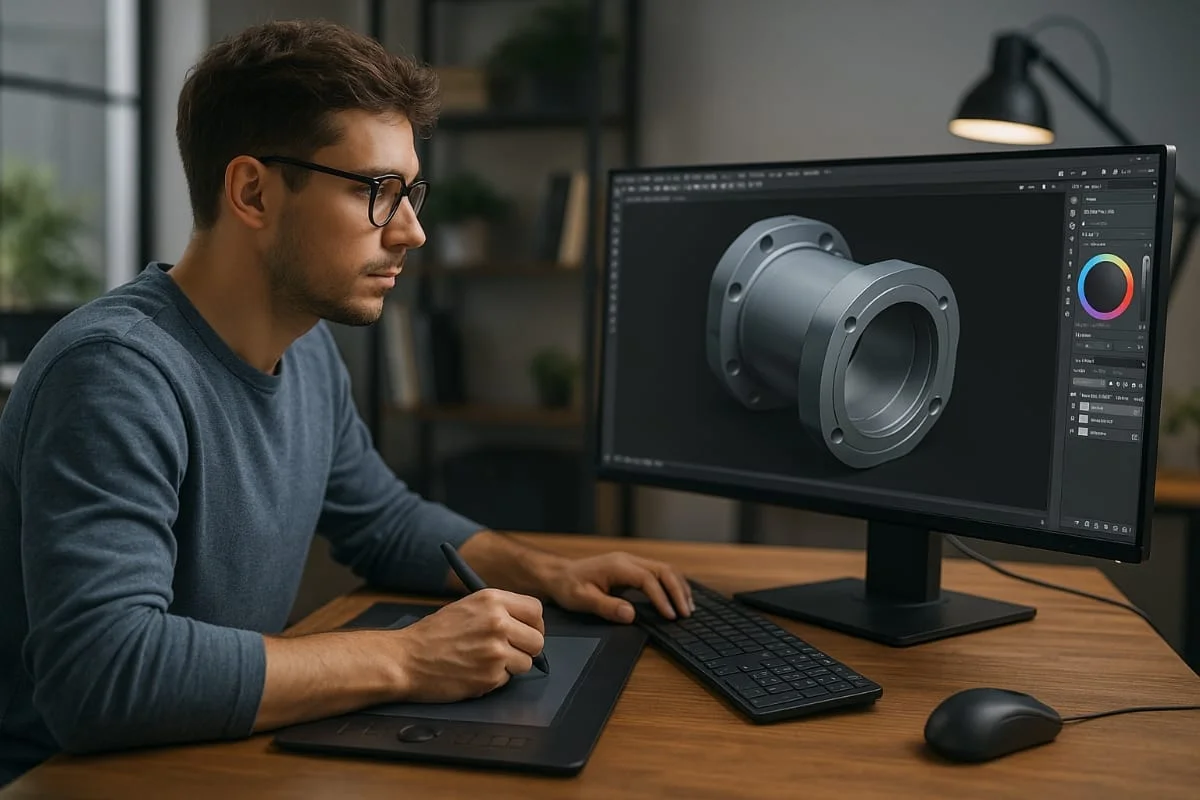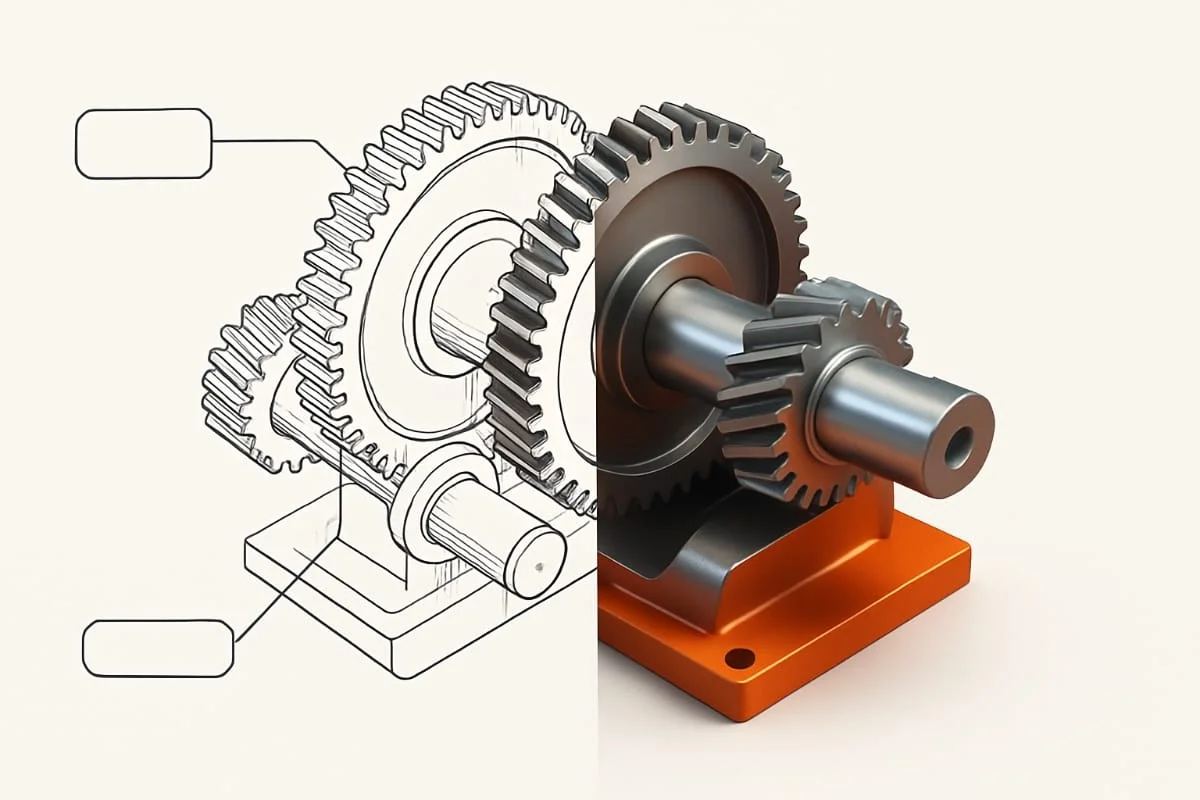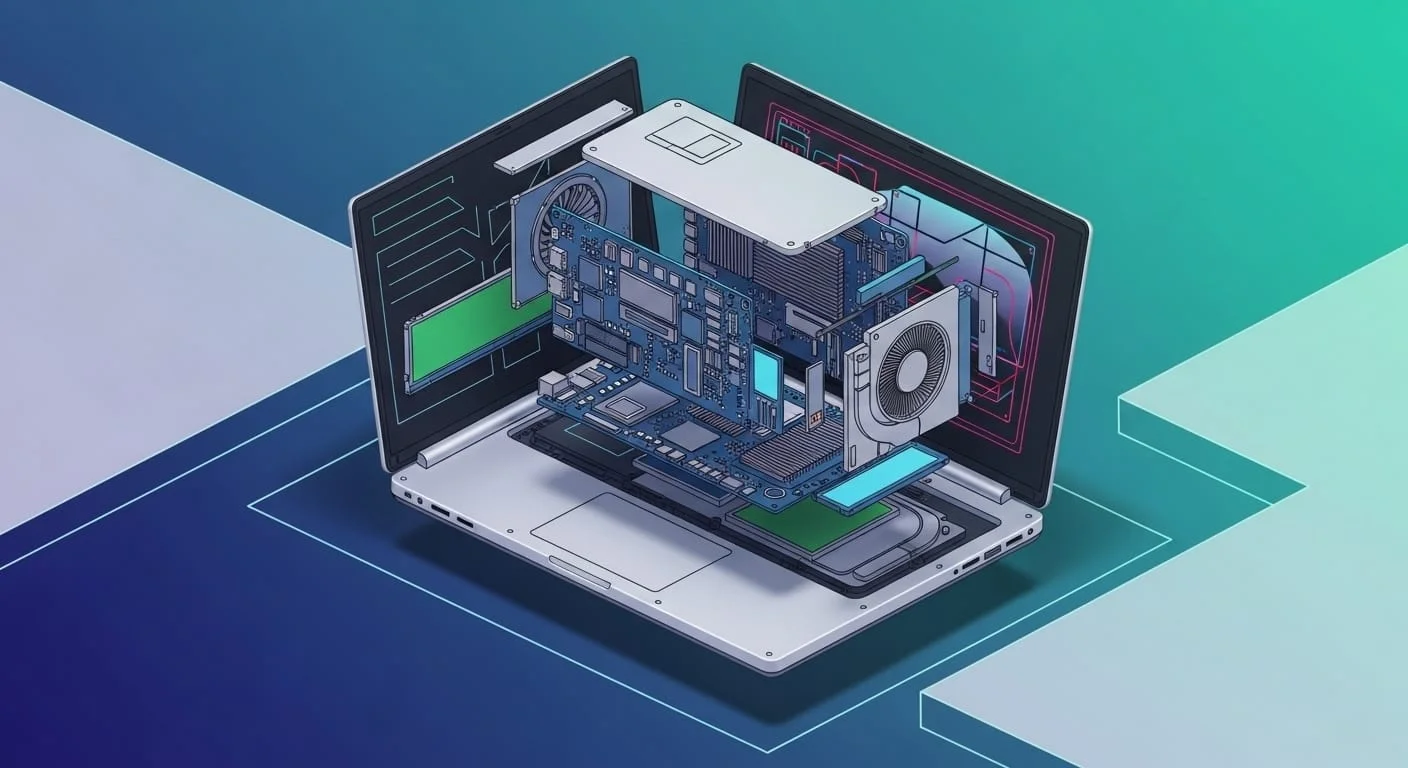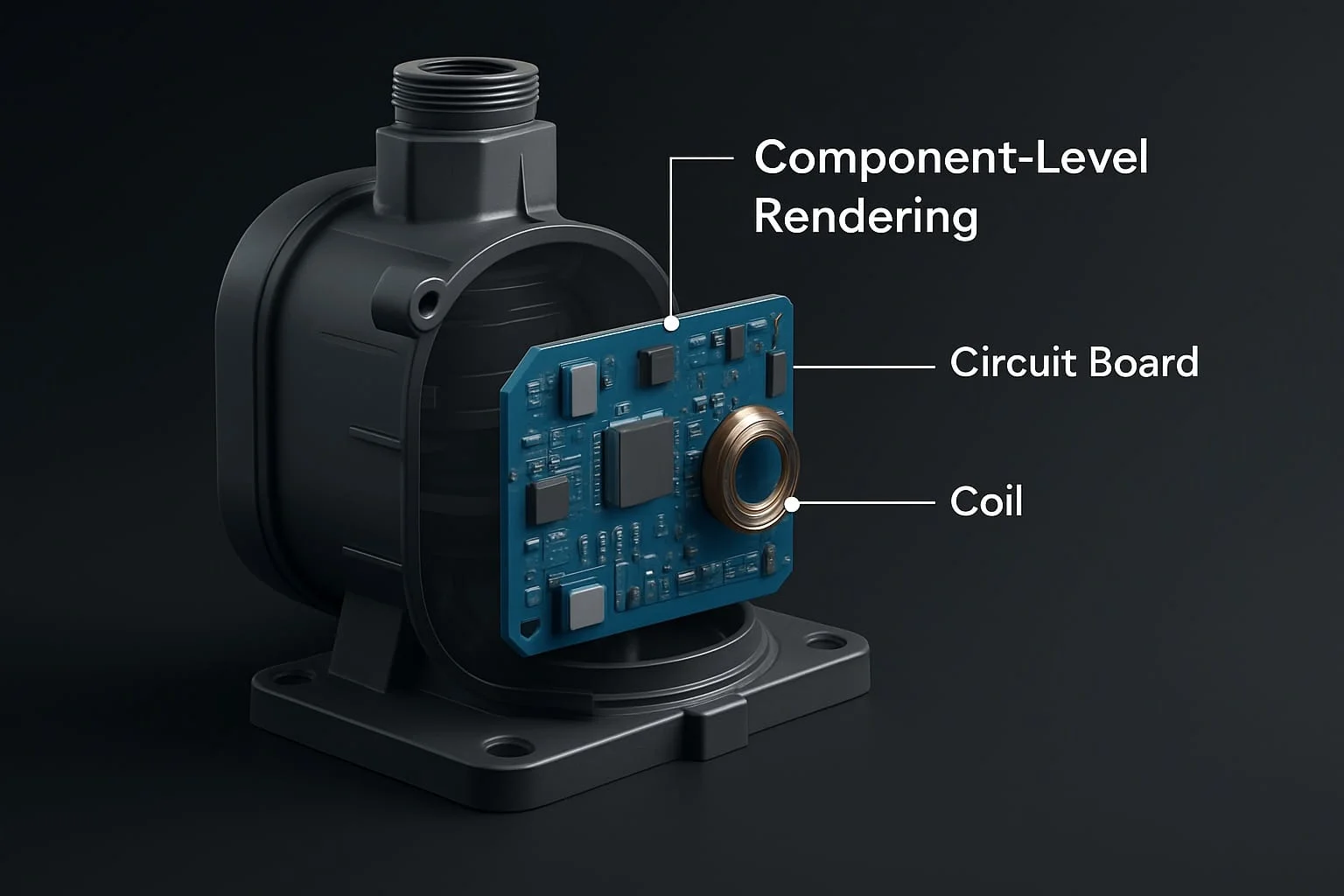
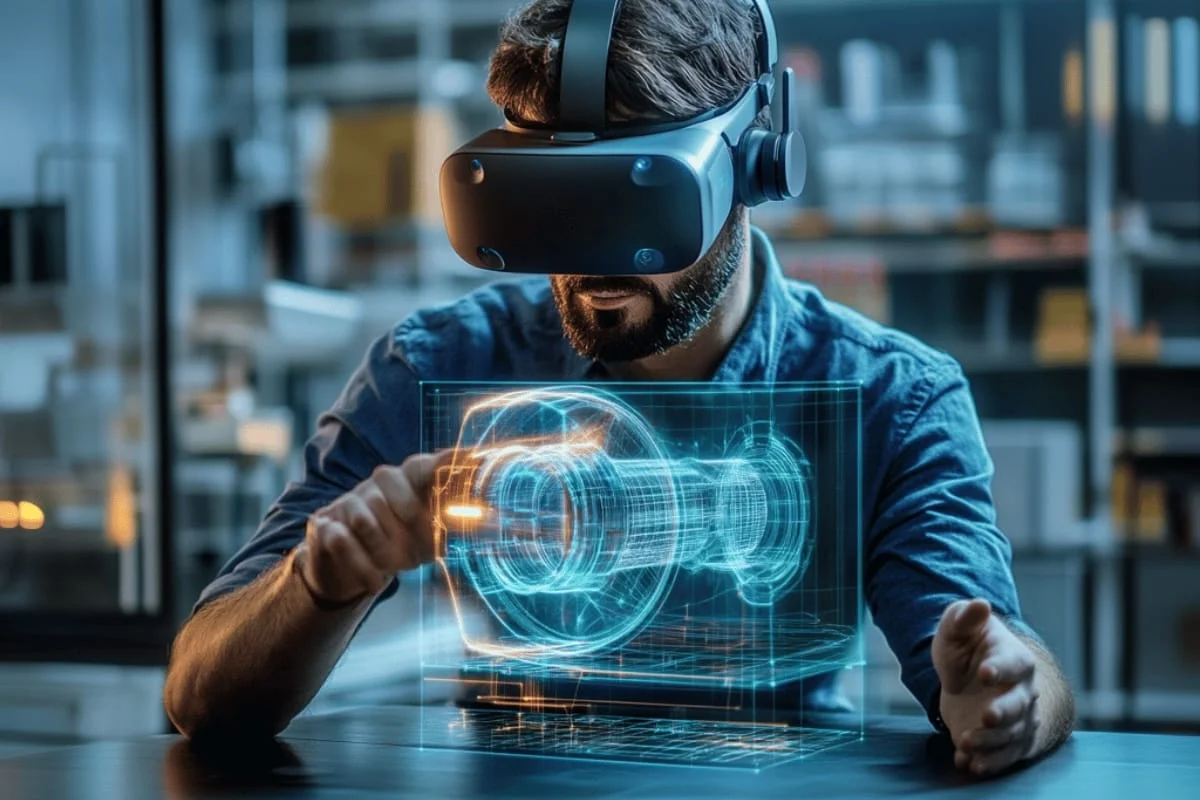
Integrating Virtual Reality (VR) and Augmented Reality (AR) in product design is revolutionizing how companies innovate. VR product design offers immersive experiences that let designers visualize products in a fully virtual environment. AR product design overlays digital elements onto the real world, enabling teams to interact with designs in real-time.
These technologies are becoming indispensable tools in the product design industry, not only streamlining processes but also driving innovation.
Key Takeaways
- Enhanced Creativity: VR/AR tools foster innovative design solutions.
- Improved Collaboration: Real-time feedback and immersive experiences boost team collaboration.
- Cost Efficiency: Early detection of design flaws reduces prototyping costs.
- Customer Engagement: VR/AR provides interactive and engaging customer experiences.
- Future Trends: Staying updated with VR/AR trends keeps companies competitive.
Benefits of Integrating VR/AR in Product Design
Integrating VR and AR into product design offers several significant advantages that are revolutionizing how companies create, refine, and present their products.
Enhancing Creativity and Innovation
AR and VR product design allow designers to experiment with multiple design variations in a virtual environment, enabling them to test ideas that would be too costly or time-consuming to prototype physically. This freedom encourages out-of-the-box thinking.
Improving Collaboration and Communication
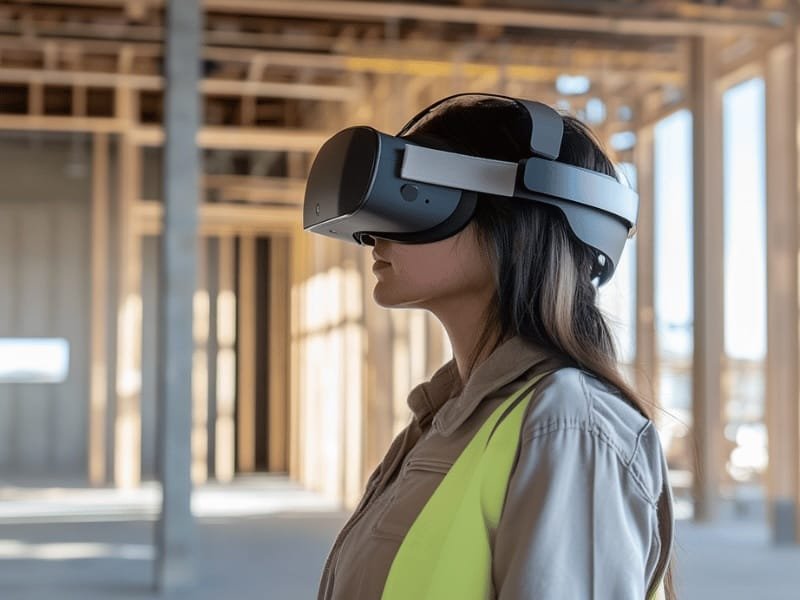
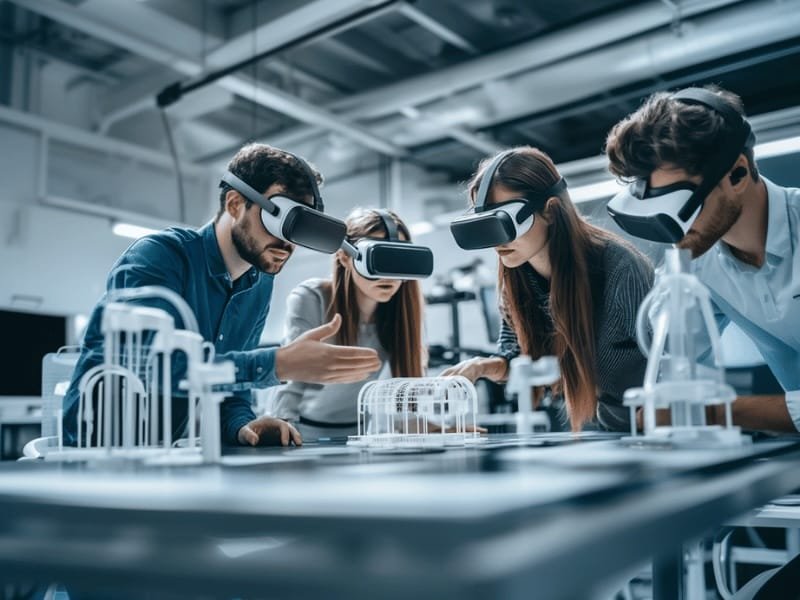
VR and AR tools provide immersive experiences where all participants can interact with the design in real-time, regardless of their location. By visualizing the product in a shared virtual space, teams can more effectively communicate their ideas, make decisions faster, and reduce misunderstandings.
Reducing Costs and Time in Prototyping
By integrating augmented reality in product design, companies can identify potential design flaws early. This reduces the need for multiple physical prototypes — expensive and time-consuming to produce. Real-time adjustments in a virtual environment streamline the process, leading to quicker iterations.
Enhancing Customer Engagement and Feedback
VR and AR enable customers to experience products interactively before they’re manufactured. A customer can virtually explore a new car model, walking around it and even sitting inside, from the comfort of their home.
Maybelline’s AR mirror lets customers virtually try on products in real-time. Coca-Cola’s Zero Sugar campaign used AR for interactive billboards that responded to user interactions, enhancing brand engagement.
Challenges and Solutions in Integrating VR/AR in Product Design
High Initial Investment Costs
Setting up a VR/AR system requires investment in specialized hardware — VR headsets, AR devices, powerful computers — plus software licenses and development tools.
Solution: Start with a clear strategy and phased implementation. Identify critical areas where VR/AR provides the most value. Rent or lease equipment in the initial stages.
Learning Curve for New Technologies
Designers accustomed to traditional tools may find it difficult to adapt to new workflows and interfaces required for VR and AR.
Solution: Invest in comprehensive training programs. Begin with foundational training and offer more advanced courses as your team becomes proficient. Hiring or consulting VR/AR experts can ease the transition.
Integrating VR/AR with Existing Systems
Ensuring data flows seamlessly between traditional CAD tools, project management systems, and VR/AR platforms is essential.
Solution: Work with software providers to ensure compatibility. Many modern VR/AR tools offer plugins and APIs for easy integration with popular CAD platforms.
Future Trends in VR/AR for Product Design
Advances in VR/AR Technology
Improved hardware — lighter and more comfortable headsets, higher resolution displays, more intuitive controls — is making these tools more accessible. On the software side, more sophisticated simulation environments offer unprecedented realism.
Trend to Watch: Developments in haptic feedback technology will let users “feel” textures and shapes in the virtual world.

Increasing Adoption in Various Industries
Automotive, aerospace, industrials, and consumer electronics are increasingly adopting VR/AR to speed up design cycles, improve accuracy, and enhance collaboration between geographically dispersed teams.
Trend to Watch: Industry-specific applications catering to the unique needs of different sectors.
Future Applications and Innovations
AI-powered design tools, real-time collaboration platforms, and cloud-based rendering services are just a few examples of how these technologies will continue to evolve.
Trend to Watch: The integration of AR with AI is particularly promising. AI can analyze data to provide designers with real-time suggestions and optimizations.
Conclusion
Integrating VR and AR in product design is no longer just a futuristic concept — it’s a present-day reality. These technologies offer unparalleled opportunities to enhance creativity, streamline collaboration, reduce costs, and engage customers.
By embracing VR and AR, companies can improve current design processes and position themselves as leaders in innovation.
Transform Your Product Design with VR/AR Expertise
Ready to revolutionize your design process? Discover how our specialized product rendering services can elevate your projects.
FAQs
How is AR used in design? AR overlays digital elements onto real-world environments, allowing designers to visualize products in a real-world context before they’re physically created.
How can VR be used in product design? VR creates immersive 3D environments where designers can interact with and modify designs in real-time. It allows exploration of concepts at full scale.
What are the three types of augmented reality?
- Marker-based AR: Uses physical markers, like QR codes, to trigger the display of digital content.
- Markerless AR: Utilizes GPS, accelerometers, and other sensors to overlay digital information without markers.
- Projection-based AR: Projects digital images onto physical surfaces, allowing users to interact with the projections.
What is the difference between VR and AR in design? VR creates a fully immersive digital environment. AR overlays digital elements onto the real world.
How can VR and AR improve the product design process? Early detection of design flaws, improved collaboration, immersive customer feedback, real-time modifications — all streamline the process and reduce the need for physical prototypes.