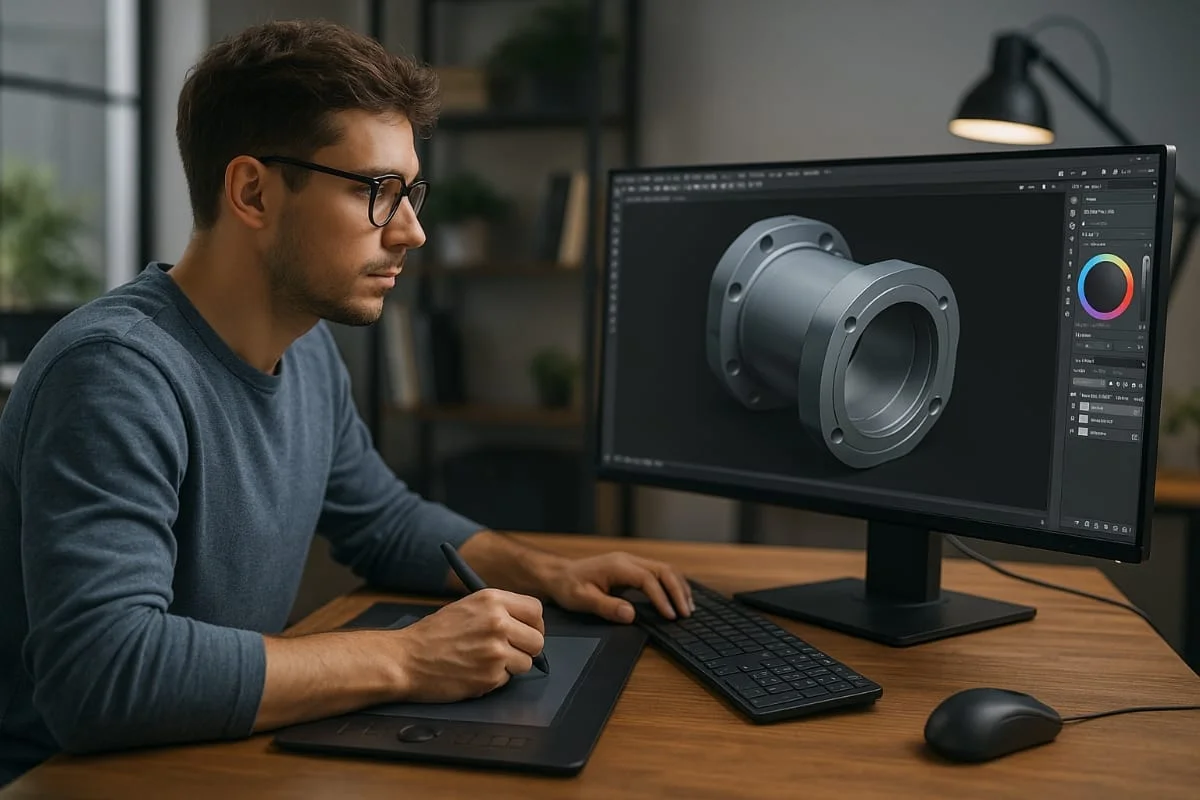
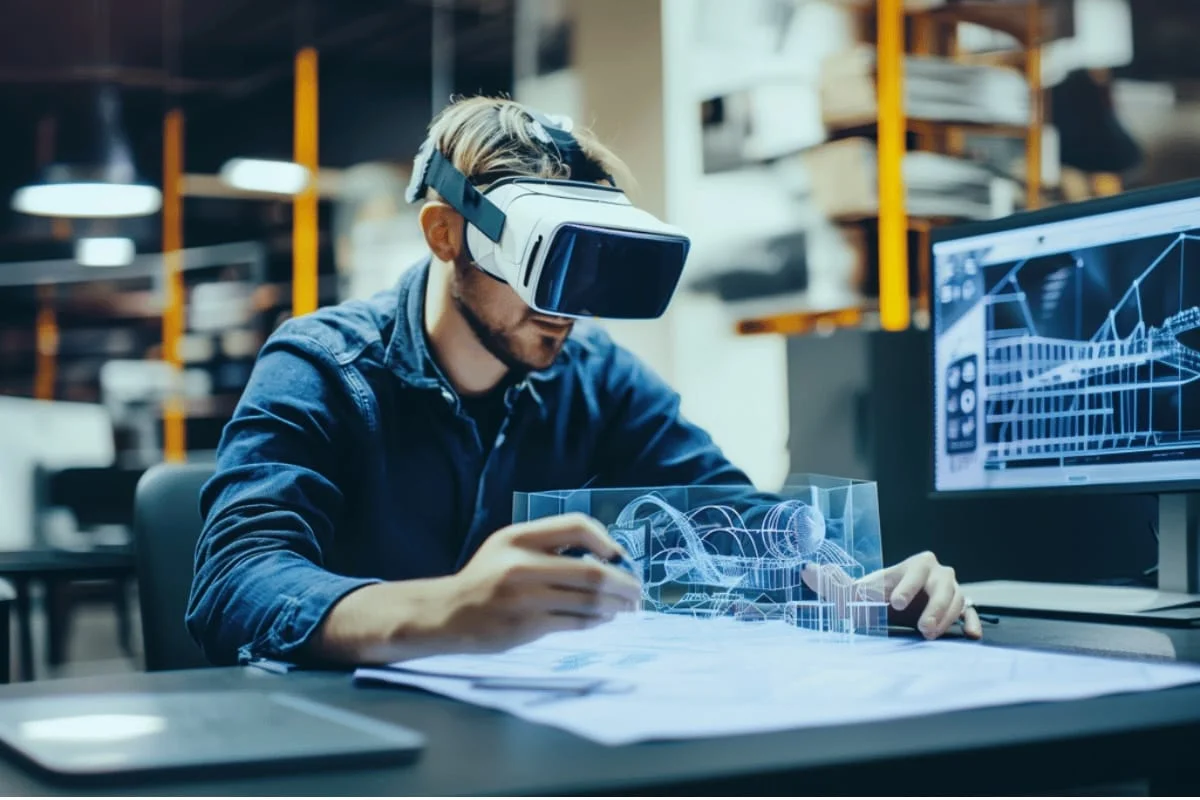
In a world where innovation drives progress, VR design is a pivotal force in reshaping the product design landscape. Imagine entering a virtual world where every nuance of your creation comes to life long before it hits production. This isn’t just about seeing a prototype; it’s about interacting with it — tweaking, turning, and testing it in ways previously confined to the imagination.
Key Takeaways
- Immersive Prototyping: VR enables detailed, interactive product prototypes.
- Enhanced Collaboration: Teams can work together in real-time within virtual spaces.
- Cost Efficiency: Reduces the need for multiple physical prototypes.
- Accelerated Design Process: Speeds up iteration and time-to-market.
- Improved Accuracy: Enhances precision in design, minimizing errors.
Immersive Prototyping: The VR Advantage
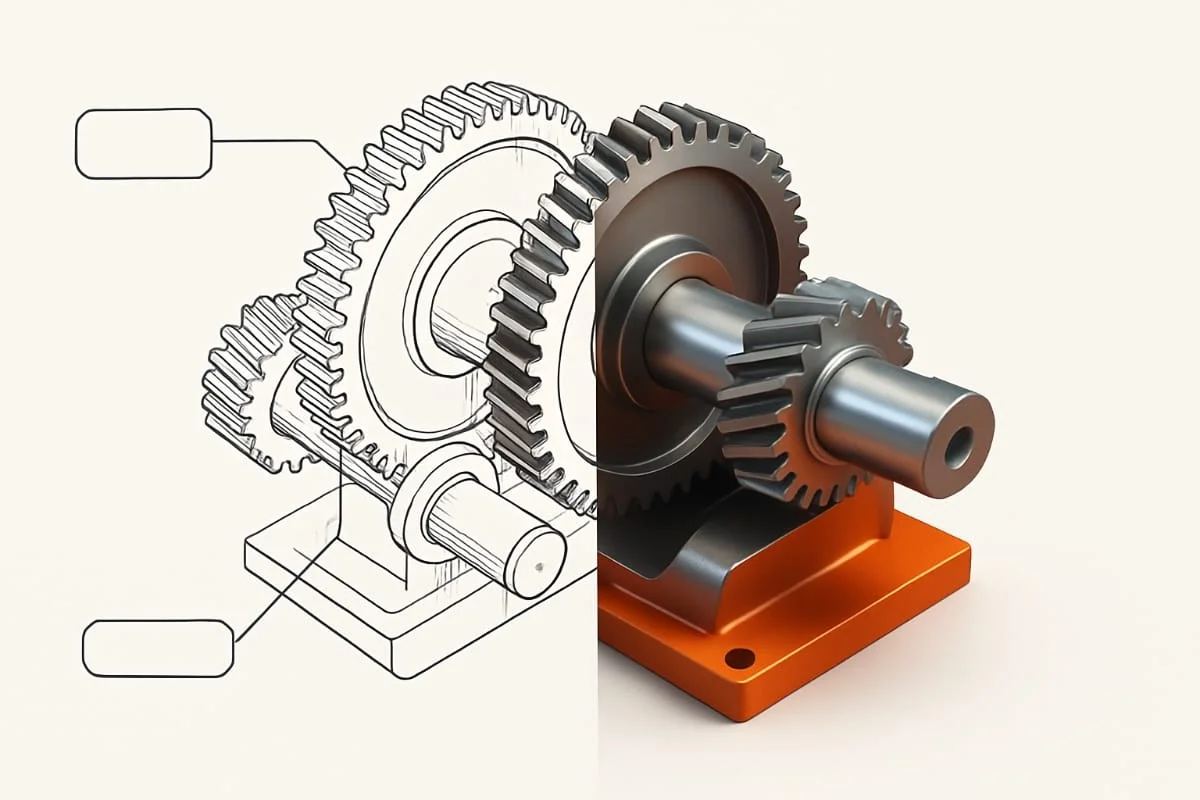
In traditional prototyping, a designer’s interaction with a prototype is often limited to a passive review. VR dismantles these barriers, offering a hands-on, fully interactive experience from the get-go.
In a recent collaboration on high-end sports equipment, the limitations of physical prototyping were starkly evident — repeated cycles of adjustments, each demanding extensive time and resources. Transitioning into VR facilitated real-time modifications — achieving a depth of refinement that traditional methods couldn’t match.
Through VR, designers and stakeholders can explore, test, and validate designs within a virtual environment that mimics real-world conditions. This capability is transformative, reducing cycle time for prototyping while enhancing accuracy.
VR: Bridging the Gap in Design Collaboration
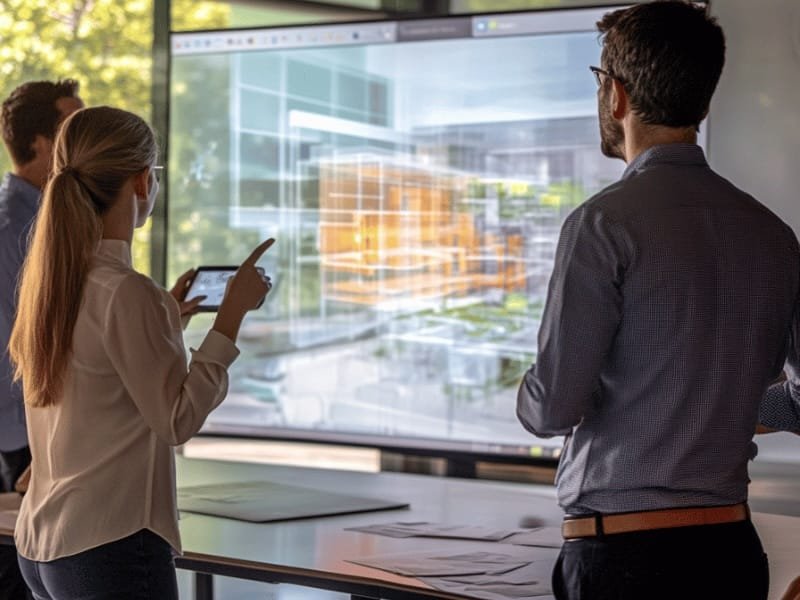
Virtual reality transcends physical and geographical limitations, creating a shared space where ideas flourish without borders. In a project involving designers from multiple continents, traditional challenges of differing time zones and disjointed communication were formidable — until VR.
We convened in a virtual design room where each member, regardless of physical location, interacted in real time. This wasn’t just about sharing screens; it was about being present in the same room, discussing and deciding on changes instantaneously.
For a complex automotive design, our team used VR to spot a critical airflow issue that traditional CAD tools had missed. In our virtual environment, we simulated real-world physics and addressed the issue collectively — saving weeks of work.
Cutting Costs and Saving Time with VR Prototyping
Virtual reality allows us to bypass the costly and time-consuming steps of physical prototyping. Each traditional iteration requires a new physical model — materials, shipping, and hours of labor. With VR, those iterations move to the virtual world. Adjustments happen in real time, with no physical materials.
VR prototyping dramatically shortens the design cycle. A phase that might take weeks can be condensed into days. For ergonomic office furniture, VR enabled us to simulate various user environments and postures quickly, ensuring the product met standards before any physical prototype was built.
Being able to iterate quickly means bringing products to market faster — a competitive edge in fast-paced industries like consumer electronics.
Precision in Design: How VR Minimizes Errors
VR’s capacity to enhance design accuracy is a critical factor that sets it apart from conventional prototyping. We can immerse ourselves in highly detailed virtual replicas of our projects, conducting thorough inspections under simulated conditions.
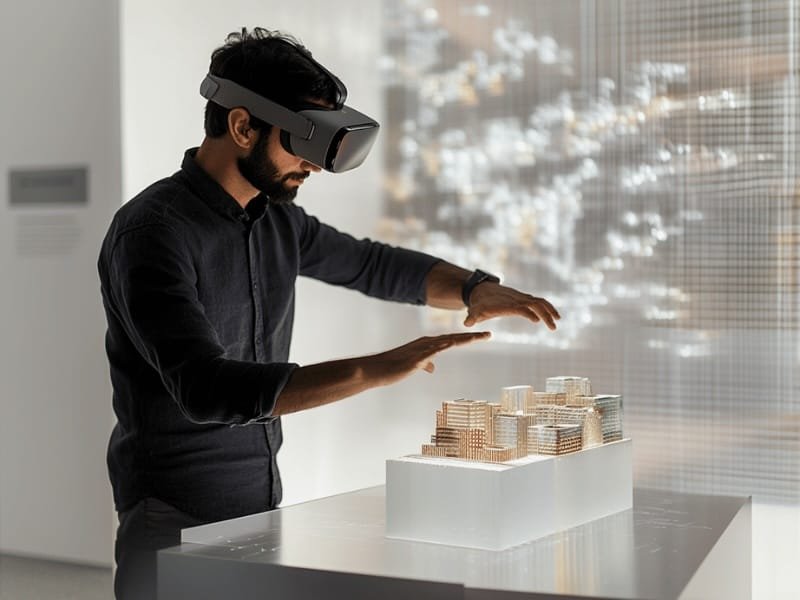
When working on architectural models, VR enables us to walk through the structure and inspect every element as if physically present. This helps identify potential issues early — spatial inconsistencies or structural imbalances not visible in a 2D blueprint.
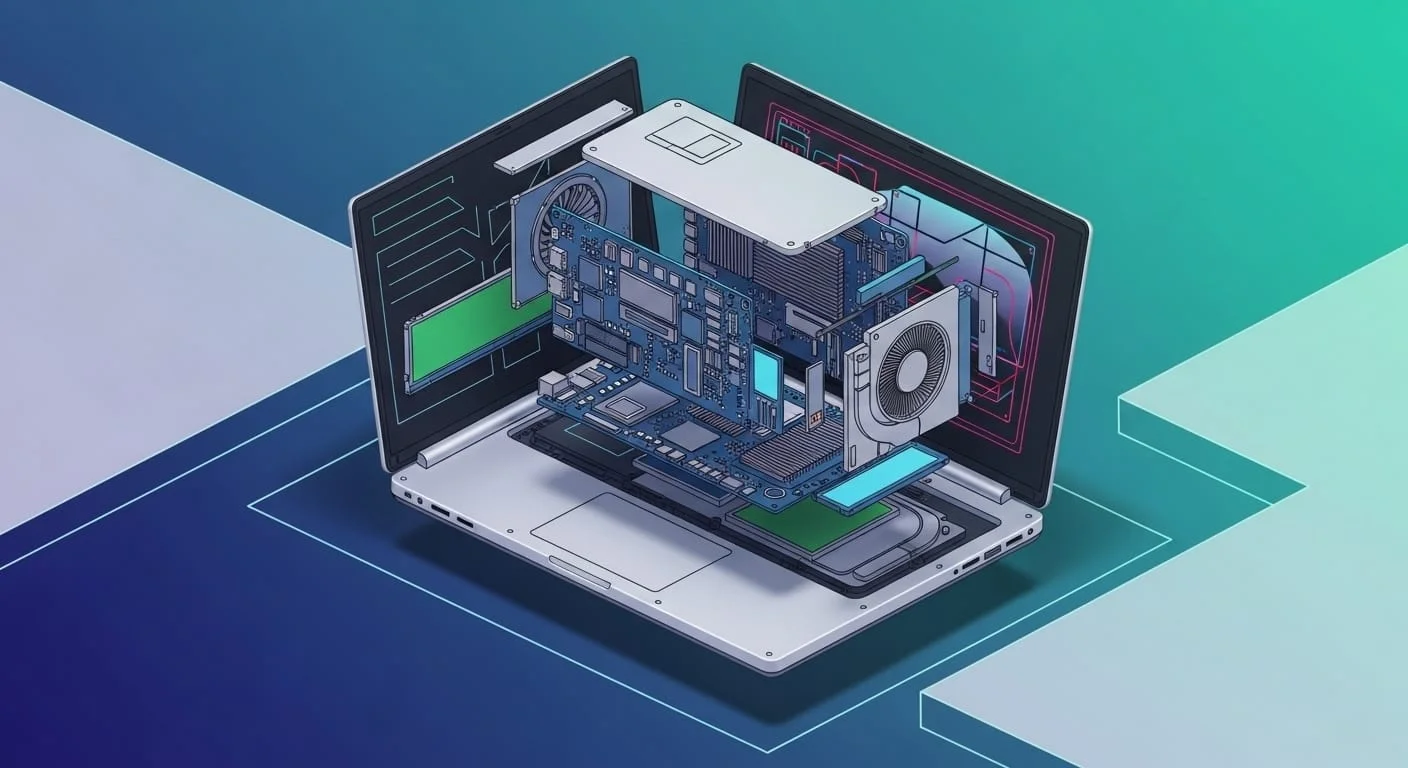
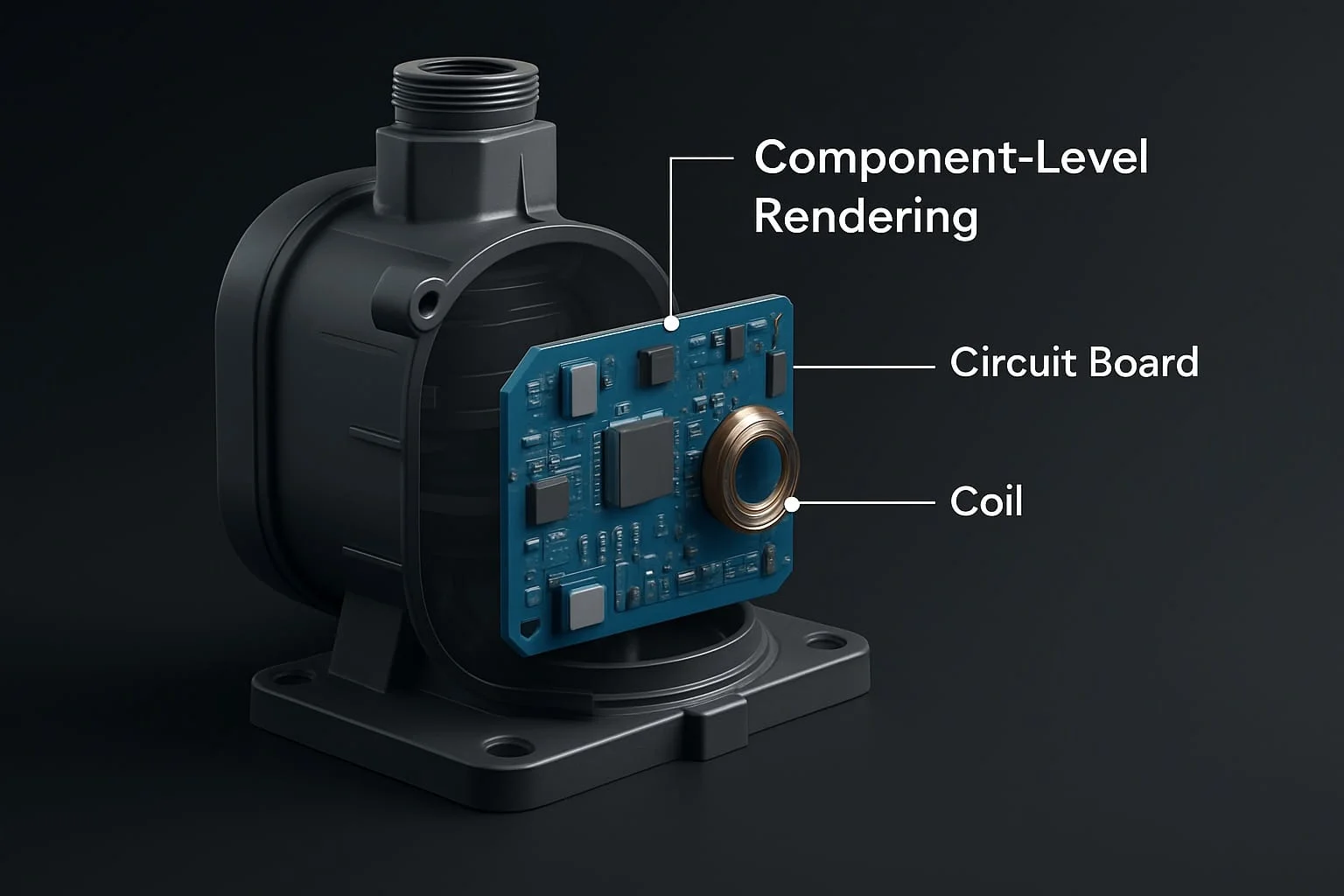
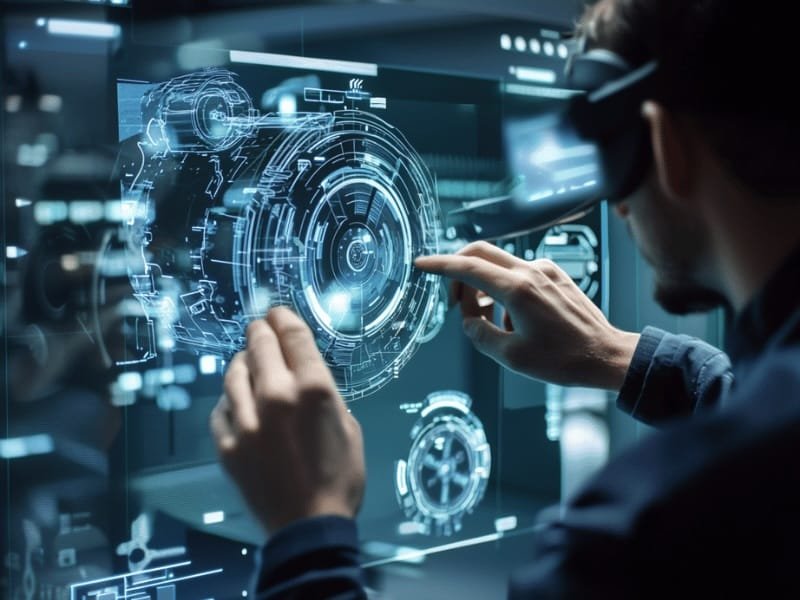
For complex machinery, VR lets us explode the assembly to view every component individually or understand how parts interact dynamically. Invaluable for industries where precision is non-negotiable — aerospace, medical devices.
The Future of VR in Product Design: What’s Next?
The future of VR holds potential advancements like haptic feedback, AI integration, and enhanced cloud collaboration, which are set to revolutionize how we conceive and create.
Haptic feedback simulates tactile sensations of touching and manipulating virtual objects — enhancing the realism of VR prototyping. Designers could feel the texture of a material or the resistance of a mechanical switch without leaving their VR environment.
AI integration can analyze vast amounts of data from VR sessions to suggest design optimizations, predict user behavior, or automate routine design tasks.
Real-time cloud collaboration via VR is set to change the dynamics of team-based design work. Team members from around the globe can work together in the same virtual space as if they were in the same room.
Conclusion
VR design is not merely a technological novelty — it is a crucial tool reshaping the landscape of design. It brings concepts to life before they even reach the prototype stage, allowing for precision and innovation that were previously unattainable.
For professionals in the design field, embracing VR is not an option — it’s a strategic imperative. By integrating VR into your design processes now, you position yourself and your projects at the forefront of this exciting wave of innovation.
FAQs
What are the main benefits of using VR in product design? VR enhances immersion, fosters real-time collaboration, reduces costs, and improves design accuracy.
How does VR compare to traditional prototyping methods? VR allows for more detailed, interactive, and cost-effective prototyping, offering significant advantages over time-consuming traditional methods.
Can small design teams afford to implement VR technology? Yes — the increasing availability of affordable VR tools and software makes it feasible for even small teams.
What future trends in VR should designers watch for? Advancements in haptic feedback, AI integration, and cloud-based collaboration.
Revolutionize Your Design Process with VR Prototyping
Discover the transformative power of VR with our 3D product rendering services. Learn how our VR services can elevate your prototyping and visualization.