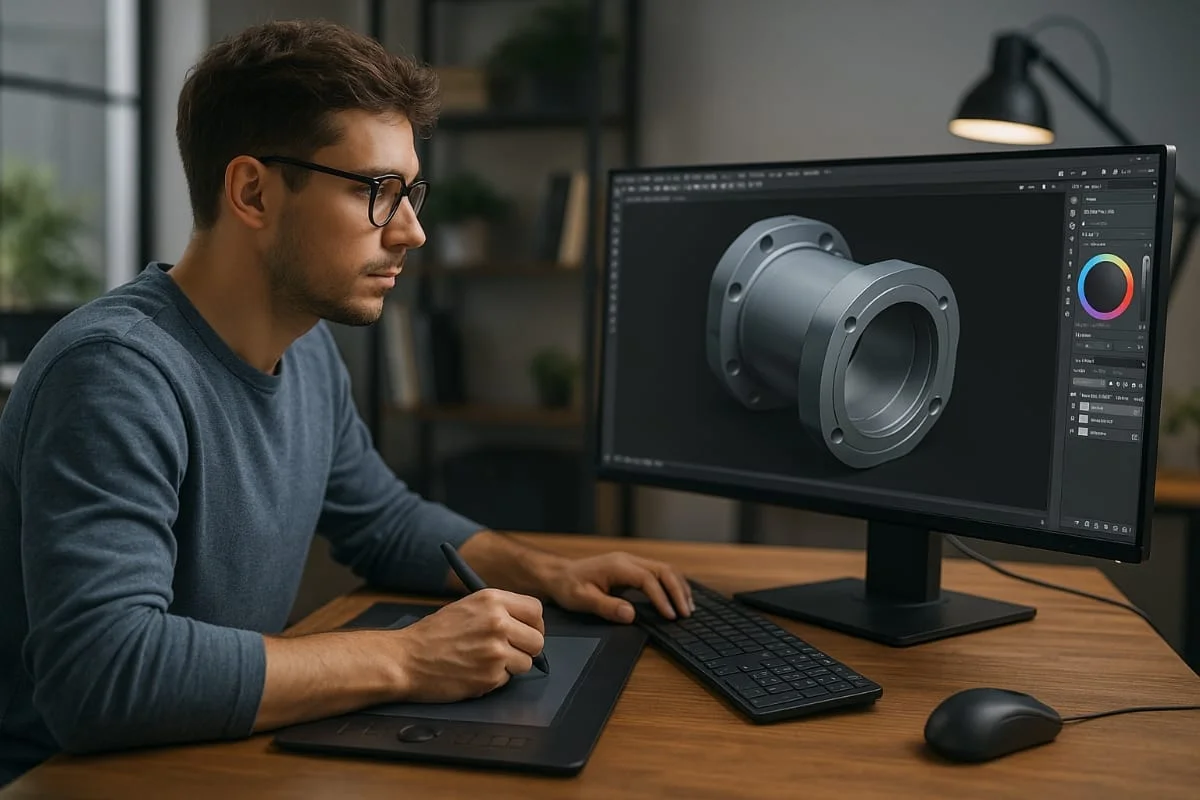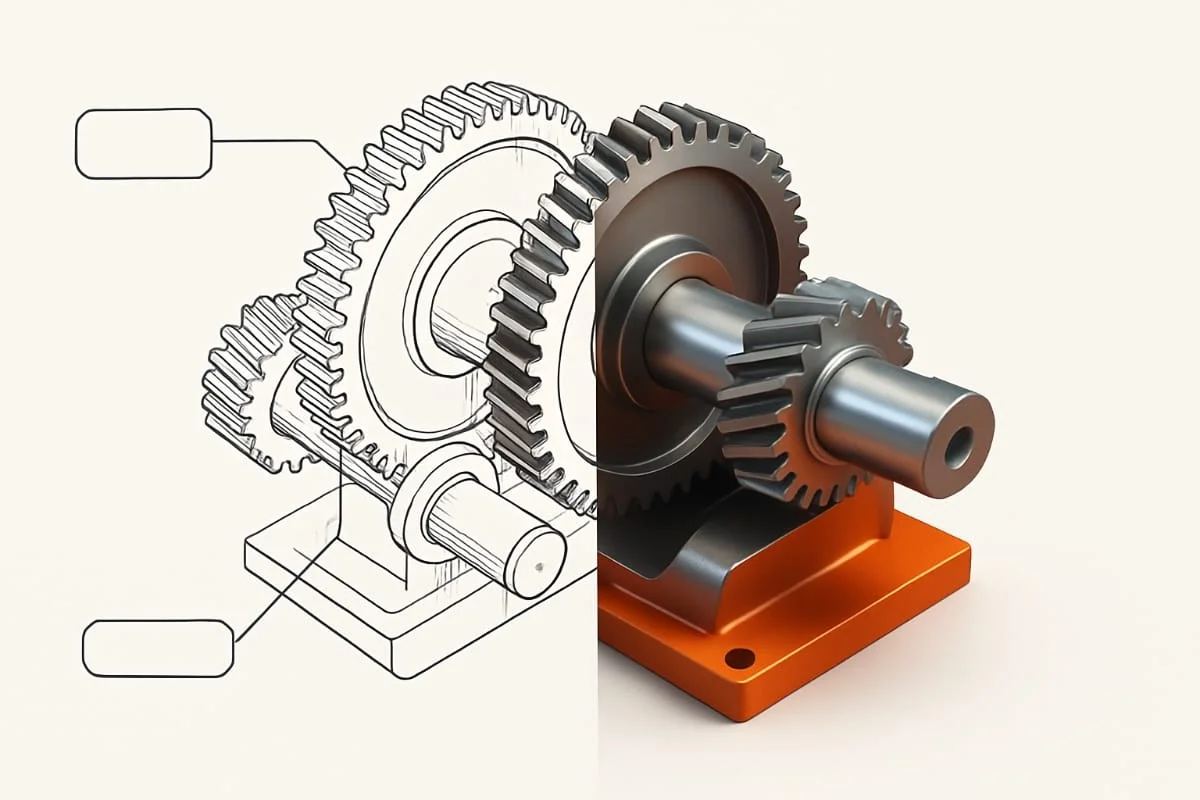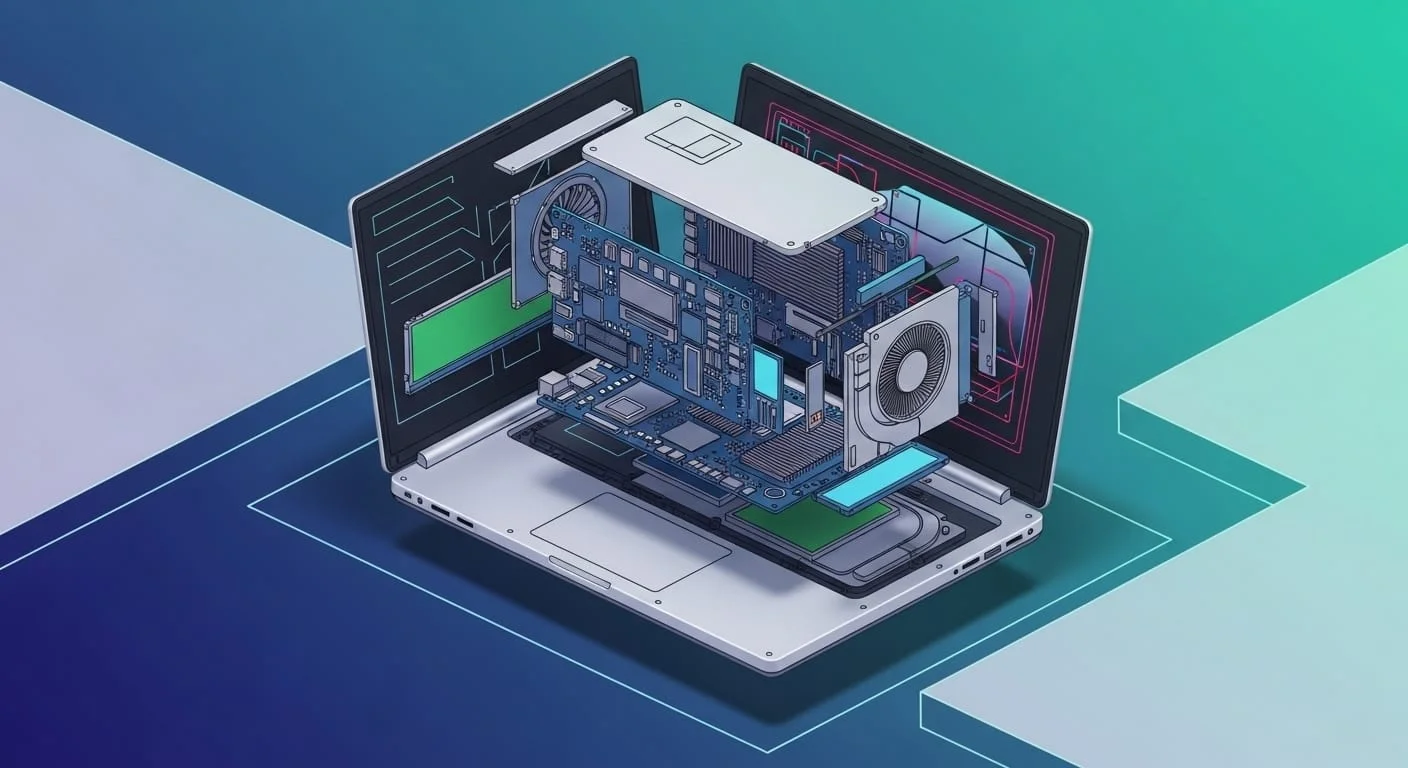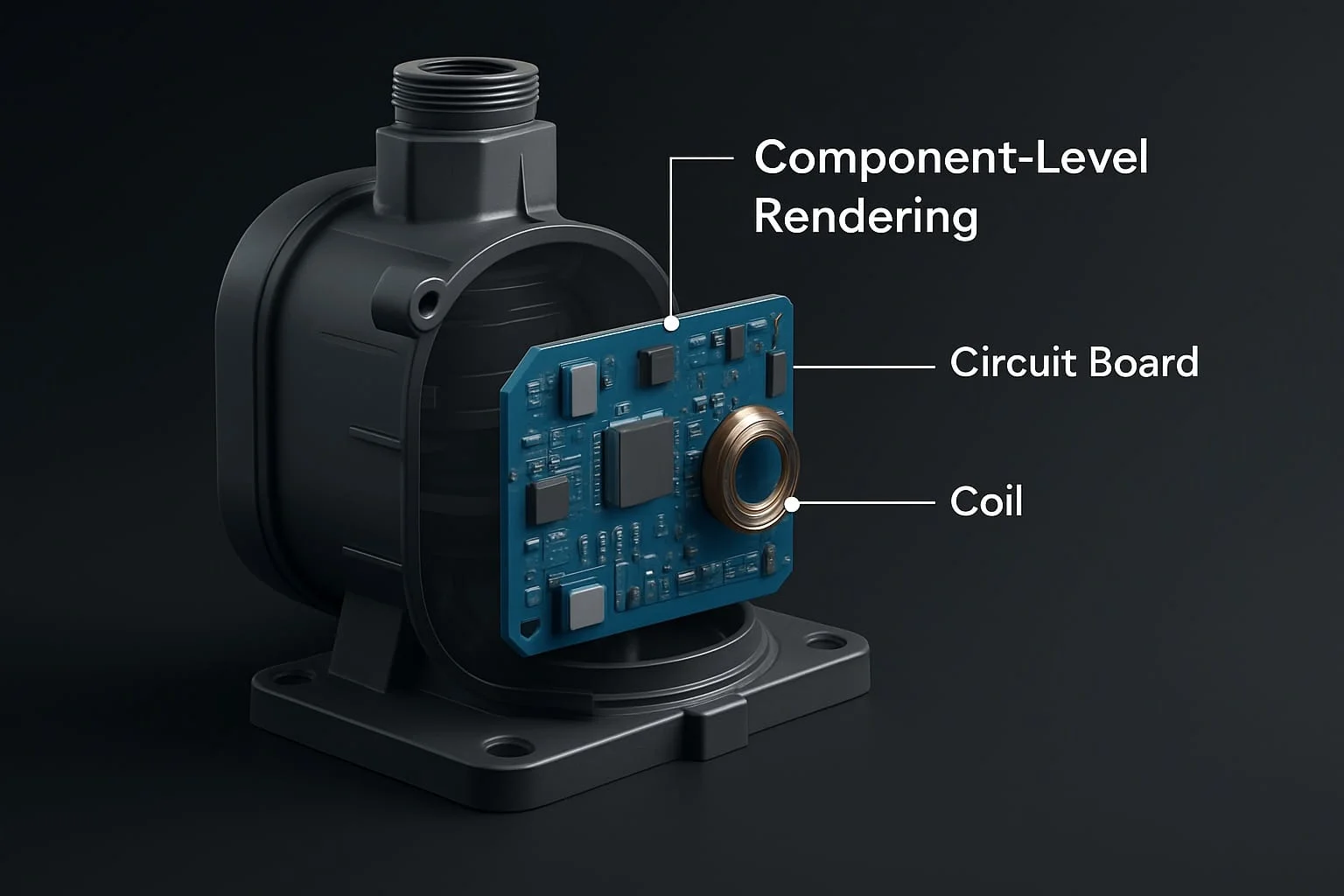
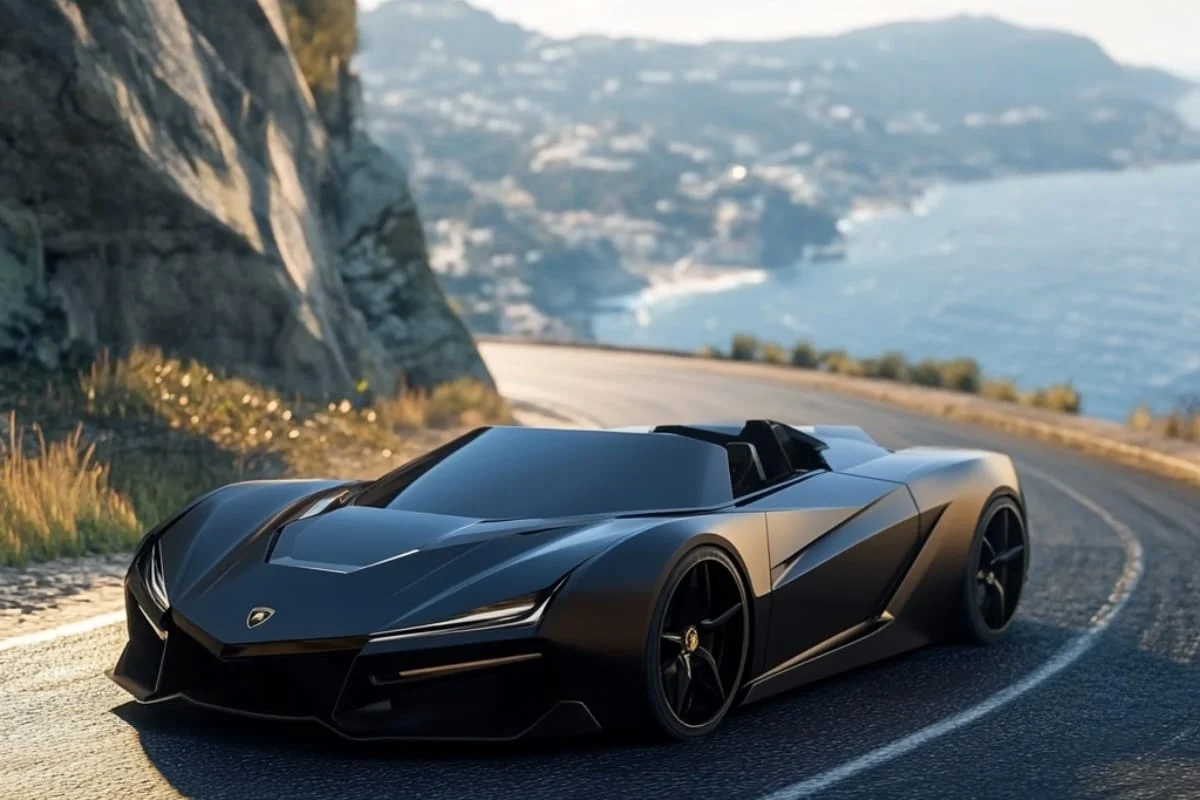
The automotive industry is being transformed by 3D rendering — CGI-based vehicle imagery is reshaping how cars are designed, developed, and marketed, speeding up the process and enabling new creativity.
Designers can now visualize every detail before any metal is cut, while distributed teams collaborate on the same photorealistic model — bridging imagination and production while cutting cost and time-to-market.
Key Takeaways
- Faster Design Process: 3D rendering accelerates the vehicle design timeline.
- Cost Efficiency: Reduces the need for physical prototypes, cutting down costs.
- Enhanced Creativity: Offers limitless possibilities for design experimentation.
- Improved Marketing: High-quality visuals can be used for pre-launch marketing.
- Environmental Impact: Decreases the carbon footprint by reducing the need for physical resources.
- Better Collaboration: Facilitates seamless teamwork among designers, engineers, and marketers.
The Evolution of Automotive Rendering
Rendering has shifted from manual techniques to sophisticated digital processes, sharply improving precision and efficiency.
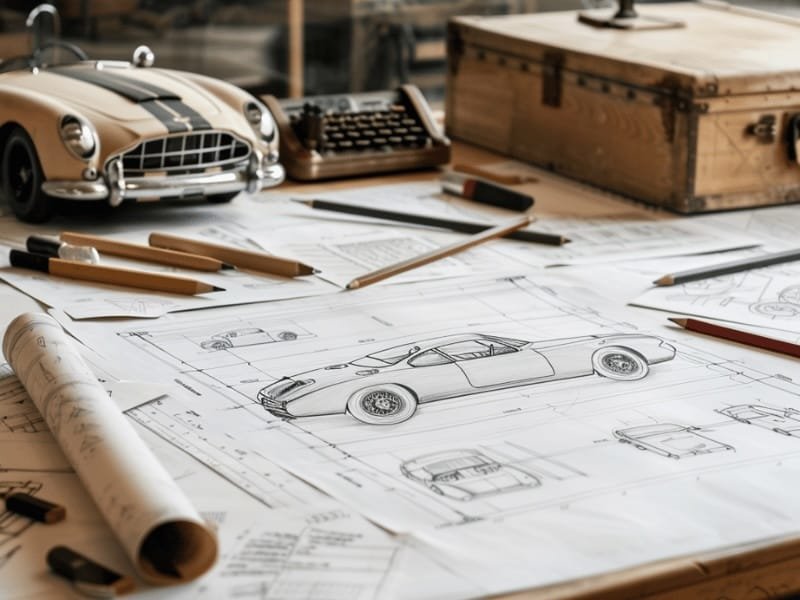
Designers previously relied on manual drawings and physical prototypes — slow and resource-heavy — until digital 3D rendering offered a more efficient alternative.
CAD software and advanced rendering engines enabled detailed, photorealistic digital vehicle models, marking a pivotal shift in the automotive design process.
Real-time rendering now gives designers immediate visual feedback, accelerating iteration and bringing models to market faster. Case studies from Mercedes and BMW show how adopting 3D rendering improved design accuracy and time-to-market.
Benefits of 3D Rendering in Automotive Design
3D rendering offers numerous advantages that transform how vehicles are developed, marketed, and launched.
Faster Design Process
3D rendering lets designers create and refine digital models quickly, replacing weeks-long physical prototype cycles with real-time iteration. Tesla uses 3D rendering for rapid prototyping and concept-to-production transitions, ensuring designs are vetted before any physical build.
Cost Efficiency and Resource Management
Eliminating physical prototypes cuts material, labor, and time costs while enabling extensive digital testing and iteration. Less material waste supports sustainability; General Motors and Audi report substantial savings from integrating 3D rendering into their workflows.
Enhanced Creativity and Design Flexibility
Designers can explore unlimited options, materials, and colors without physical constraints. Porsche and Lamborghini use 3D rendering to push futuristic concepts and customization beyond what physical prototyping allows.
The Role of 3D Rendering in Marketing
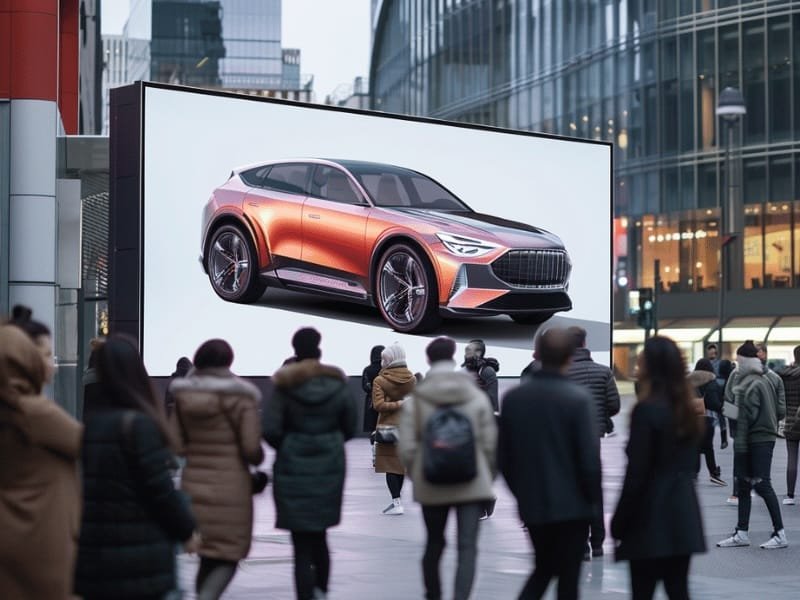
Photorealistic visuals can power marketing long before manufacturing, driving pre-launch buzz and pre-orders. Jaguar and Ford have used rendered imagery and video in marketing campaigns to engage potential buyers convincingly.
Environmental Impact
Replacing prototypes and on-location shoots with rendering reduces carbon footprint, aligning with sustainability goals. Volkswagen leverages 3D rendering to minimize their environmental impact while producing strong visual content.
Better Collaboration and Communication
Designers, engineers, and marketers can all work on the same digital models, improving alignment and reducing misunderstandings. Real-time and cloud-based tools enable seamless remote teamwork — proven valuable during the COVID-19 pandemic.
Enhancing Automotive Renders with CG Backgrounds and HDRi Maps
Realistic renders require not just the car but also the right background and lighting — CG backgrounds and HDRi maps provide both context and realism.
The Role of CG Backgrounds
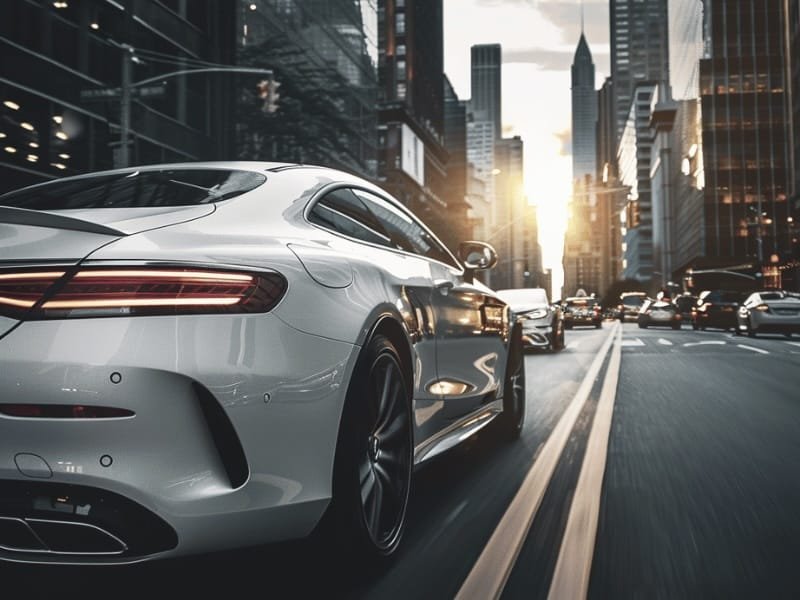
CG (computer-generated) backgrounds are fully controllable digital environments — from studios to cityscapes — into which the rendered vehicle is placed. A luxury car in a night cityscape with building reflections highlights features and contextually appeals to buyers.
Benefits of HDRi Maps
HDRi (High Dynamic Range imaging) maps are 360° real-world captures containing detailed light intensity and color data used to light virtual scenes realistically. Swapping HDRi maps lets one 3D model be placed in countless settings (beach, city, forest) cost-effectively and flexibly.
Integrating CG Backgrounds and HDRi Maps
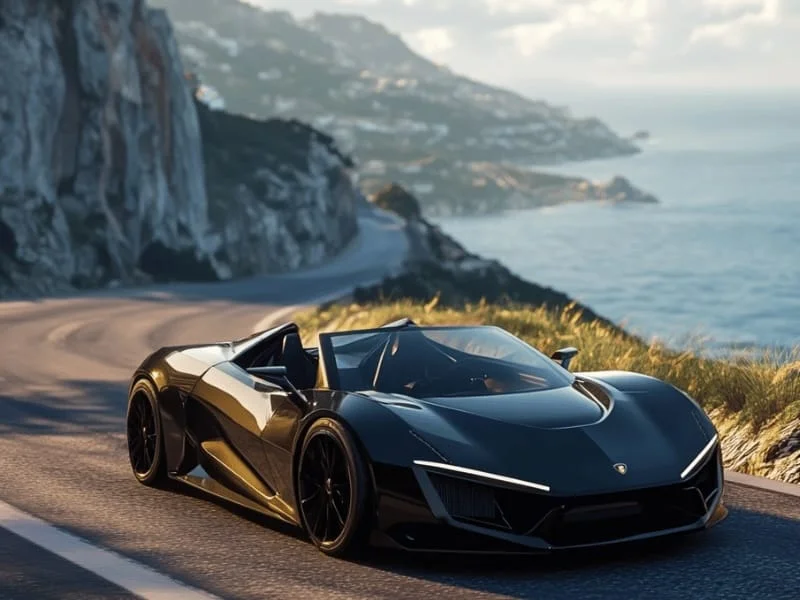
Combining HDRi-based lighting with CG environments ensures vehicles look naturally integrated with accurate reflections and shadows. For example, a car on a scenic mountain road can be rendered with matching CG scenery and HDRi lighting for full realism.
Automotive Renderings and Video
Rendering now extends beyond stills into dynamic video, providing immersive previews of vehicles in motion.
The Shift to Dynamic Visuals
Video adds engagement beyond images by showing motion, multiple angles, and real-world context — especially valuable for digital marketing.
Advanced Tools for Automotive Video Rendering
Tools like Unreal Engine enable photorealistic, interactive video content that simulates real-world environments and vehicle behaviors. Manufacturers can build virtual test drives showing handling, interior/exterior detail, and real-time customization beyond what traditional video allows.
Benefits of Video Rendering in Automotive Marketing
- Engagement: Videos capture attention more effectively than static images, increasing viewer engagement and retention.
- Detail: Videos can showcase intricate details and functionalities that static images cannot, such as the operation of a car’s infotainment system or the performance of its engine.
- Emotion: Dynamic visuals can evoke stronger emotional responses, making the content more memorable and persuasive.
- Versatility: Video content can be repurposed across multiple platforms, from social media and websites to television commercials and virtual showrooms.
Car Rendering and Virtual Production
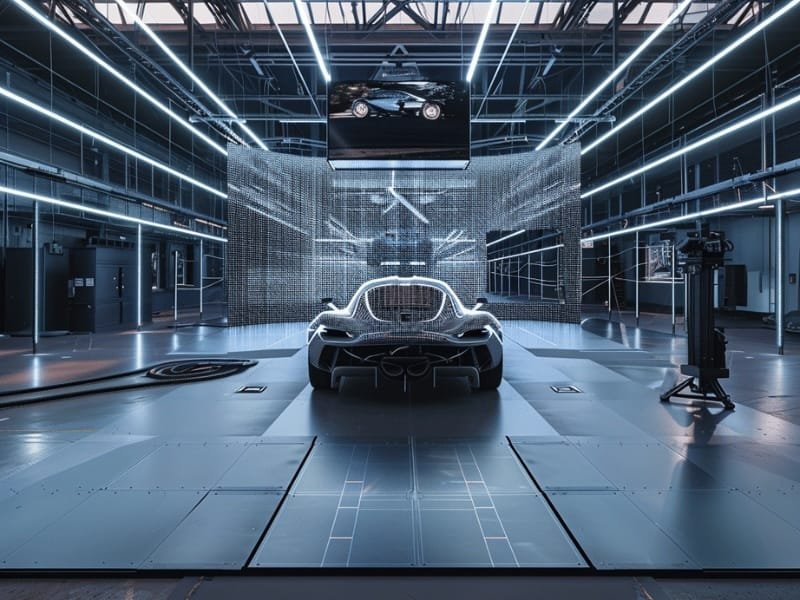
Virtual production blends physical and digital elements for highly realistic, interactive automotive visualizations — flexible and cost-effective for both marketing and design.
Hybrid Techniques in Virtual Production
A typical method uses LED walls displaying HDRi maps as backdrops behind physical vehicles and actors, blending real and digital seamlessly. The technique gives precise control over environment, lighting, and reflections, with HDRi-matched lighting boosting authenticity.
Environmental Impact and Cost Savings
It dramatically reduces both cost and carbon footprint vs. transporting vehicles and crews to multiple shoot locations. Volkswagen used virtual production for commercials without on-location shoots, cutting emissions by up to 75% and saving substantially.
Applications in Automotive Marketing
Beyond imagery, virtual production powers interactive experiences — car configurators, virtual showrooms, and AR applications. Example: a virtual showroom where customers explore models, customize features, and preview cars in different settings.
Automotive Renderings and Video
Static images alone no longer suffice — automotive renders in video give dynamic, immersive experiences that engage audiences more deeply.
Transition from Static Images to Dynamic Videos
Video opens richer storytelling possibilities, showing performance, design, and aesthetics more comprehensively than stills. Animating rendered models inside virtual environments delivers lifelike, multi-angle representations of the car in motion.
Advanced Tools for Video Rendering
Unreal Engine leads this transition with real-time rendering, allowing instant adjustments and far faster production. These tools yield high-resolution photorealistic videos and let marketing materials stay current as designs evolve.
Benefits of Video Rendering in Automotive Marketing
Video renderings offer several benefits over traditional photography and static images — engagement, detail, emotional impact, and versatility across channels.
Conclusion
Integrating 3D rendering is a milestone for automotive design — speeding development, cutting costs, freeing creativity, and reshaping marketing.
CG backgrounds, HDRi maps, and virtual production let companies produce photorealistic, captivating visuals while staying efficient and current. Adopting these technologies is a structural shift — not a trend — and is essential for competitiveness and high-quality output.
Embracing 3D rendering helps automakers ship faster, reduce environmental impact, and deliver designs that resonate, leading a new era of innovation.
Ready To Revolutionize Your Automotive Design Process?
Discover how our product design rendering services can accelerate time-to-market, enhance collaboration, and improve marketing.
FAQs
What is rendering in automotive? Rendering in automotive refers to creating photorealistic images or animations of vehicles using 3D modeling and rendering software, letting designers visualize the vehicle in various environments and lighting without physical prototypes.
What is a car rendering? A car rendering is a computer-generated image that depicts a vehicle in photorealistic detail. Specialized software calculates light interactions in a 3D scene; CAD models are converted and loaded into rendering software, then placed in virtual environments to produce realistic vehicle renderings.
How are car renders made? A detailed 3D model of the vehicle is placed into a virtual environment; advanced rendering software simulates lighting, reflections, and other visual effects to produce a realistic image or animation.
What are the benefits of using 3D rendering for car design? Faster design iterations, cost savings by reducing physical prototypes, enhanced creativity via digital experimentation, and the ability to produce high-quality marketing visuals before manufacturing.
How does virtual production enhance automotive marketing? Virtual production combines physical and digital elements for realistic, interactive automotive visualizations, with precise control over environment and lighting, reduced production costs, and lower environmental impact.