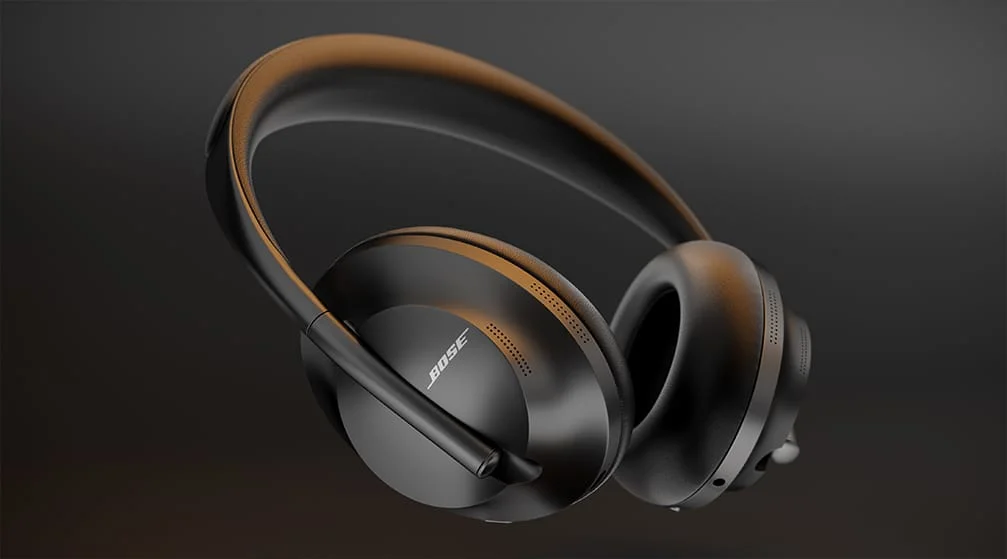
Welcome to the world of product design where creativity meets functionality. Product design is much more than aesthetics — it weaves looks with usefulness. This comprehensive guide to the product design process explores the strategic, innovative, and market-driven facets of product design, from idea inception through realization and marketing.
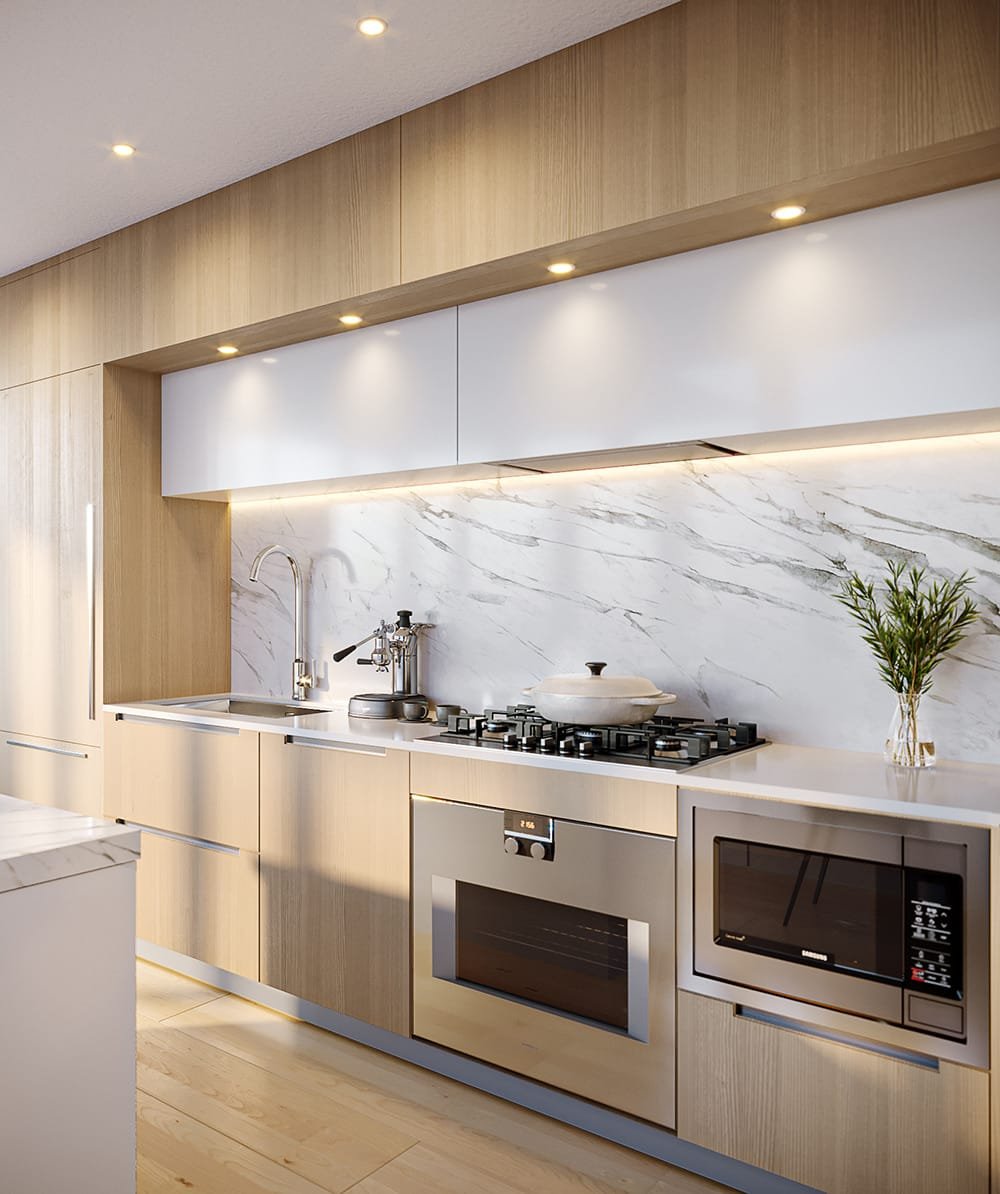
Key Takeaways:
- Comprehensive Design Strategy: Combines aesthetics with functionality, starting from market needs through to a finished product that meets them.
- From Sketch to Market: Begins with sketches, moves through prototyping (including 3D rendering), and refines ideas into tangible, market-relevant products.
- Critical Role of Market Research: Effective design depends on understanding the target audience and industry trends.
- Impact of Technology on Design: Tools like 3D rendering provide realistic visuals early, enabling informed decisions and better marketability.
Understanding Product Design
What is Product Design?
Product design is discovering a market opportunity by addressing a problem and developing a solution that meets people’s needs and can be sold. The ballpoint pen is a classic example: László Jozsef solved fountain-pen leakage and his invention became one of the most popular products ever made.
The Importance of Design Thinking in Product Design
With rising competition, a product must be high quality, have a unique selling point, and effectively resolve customer challenges.
Designers should consider three guiding questions: What is the problem? Who has it? What do we want our solution to achieve? This problem-first approach ensures the product meets customer needs and is competitive at launch.
The Product Design Process Explained
Building on design thinking, the process consists of a series of steps facilitated by product design software. Every product is unique, but a general framework — enhanced by the right tools — helps tackle specific challenges.
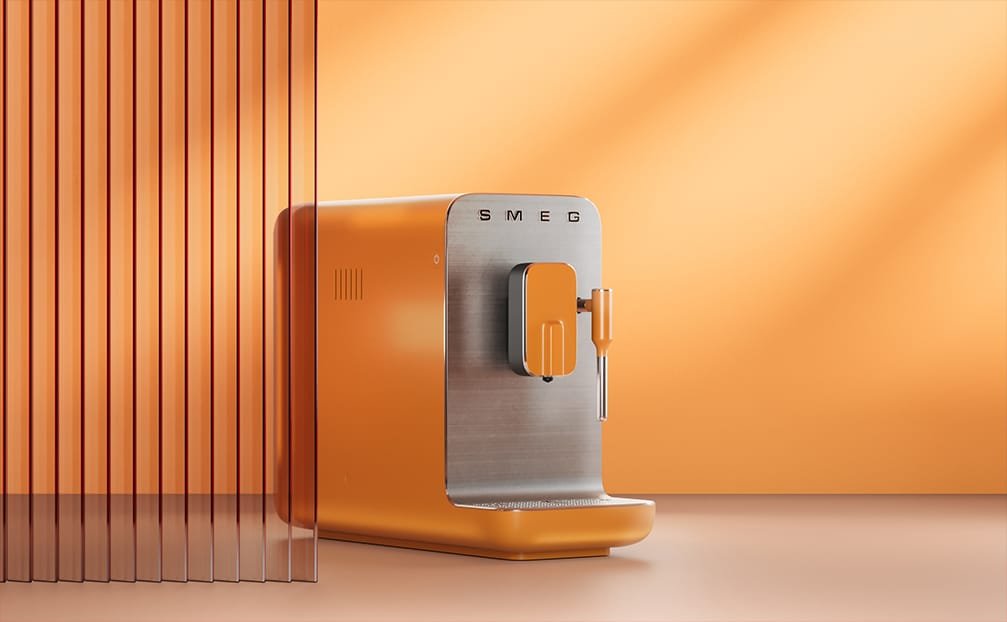
Step 1 – Define Your Value Proposition by ‘Working Backwards‘
“Working backwards” starts from the desired end result and reverse-engineers the steps to get there. A common tactic is writing a mock press release as if the product already exists, clarifying purpose, function, and value before building.
Step 2 – Product Research
Once vision and value proposition are set, conduct user and market research. Common research methods include:
- User Interviews
- Surveys
- Inquire About the Product Online as if You were a User in Need
- Competitor Research
Step 3 – Ideation and Planning
Ideation involves the team brainstorming creative ideas and identifying the most important design factors. Defining the target audience first is essential.
Determining who your target audience is
Before creating any service or product, it’s absolutely essential to have a clear idea of who your target audience is so you can understand their challenges and thus create your product in a way that adequately addresses their needs. For a more complete guide on how to determine your target audience, we recommend this guide by Mayple.
Buyer’s Journey
A Buyer’s journey map visually represents the steps a person would take in order to purchase your product right from the start, which is laid out in a chronological timeline. Doing this will help you understand the process that your potential clients go through in order to purchase your product, thus increasing your understanding of them and allowing you to adapt your product and sales strategy to meet each step of the process. Optimizing the buyers journey is essential in order to effectively market your product.
Sketching
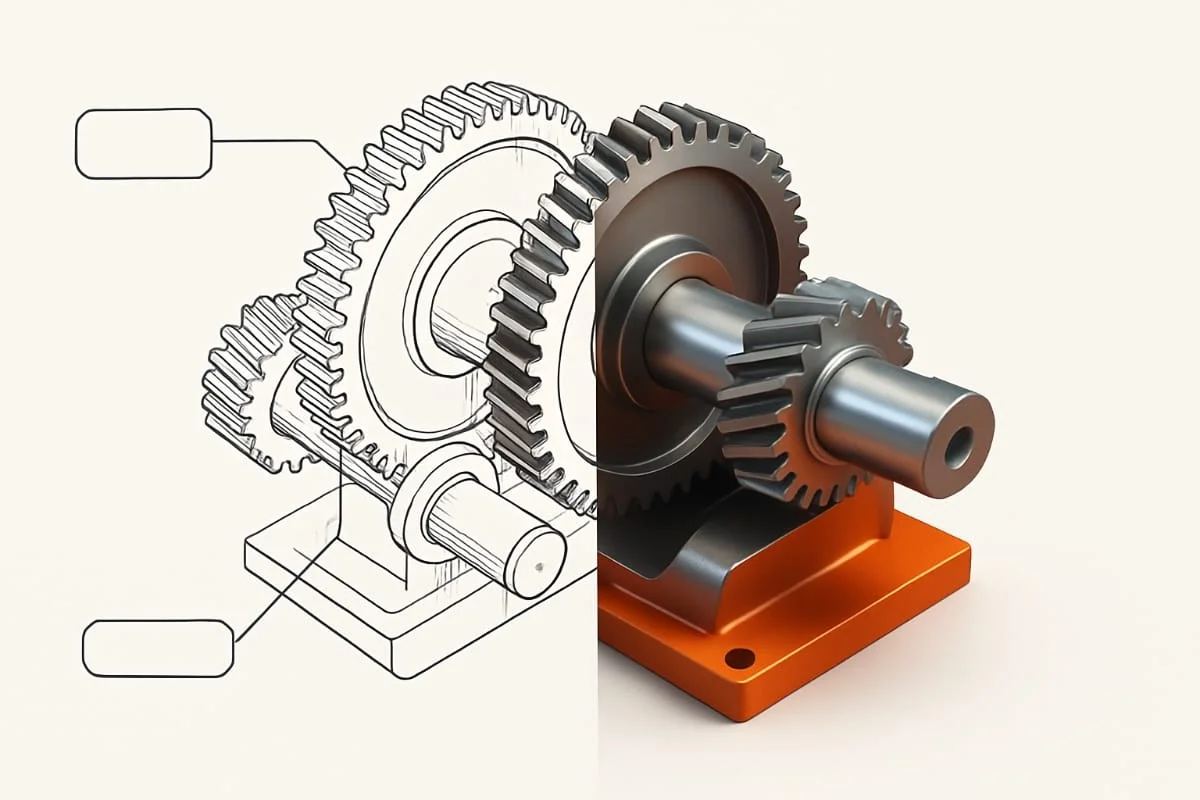
The first step of creating the design of your product often comes through the form of sketching, which allows for the most freedom in the initial phases of design, as it allows you to easily test out a load of design options before deciding which one to stick with. Stencils can be a useful tool to help sketch user interfaces.
Step 4 – Design (Prototyping)
Prototyping is a test version that lets you validate the idea before committing to the final solution. Methods include digital tools and paper sketching.
Paper Prototype
Digital prototyping tools make creating prototypes super easy, but good ol’ paper sketching is still a designer’s best friend. Sketching lets designers try out tons of design ideas quickly without spending too much time or energy on each, and makes them focus on the core of a product’s design (what it does) rather than just how it looks. The awesome thing about sketching is that anyone can do it – you don’t need fancy tools.
3D Product Rendering
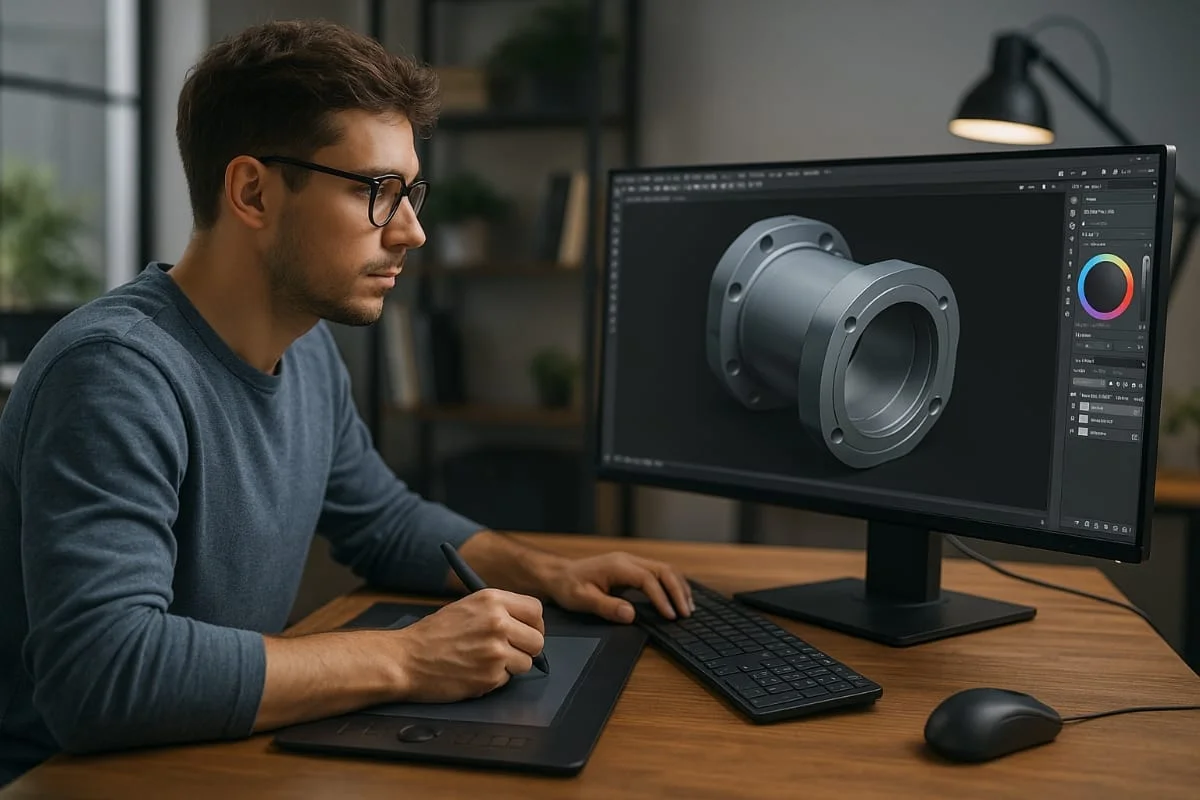
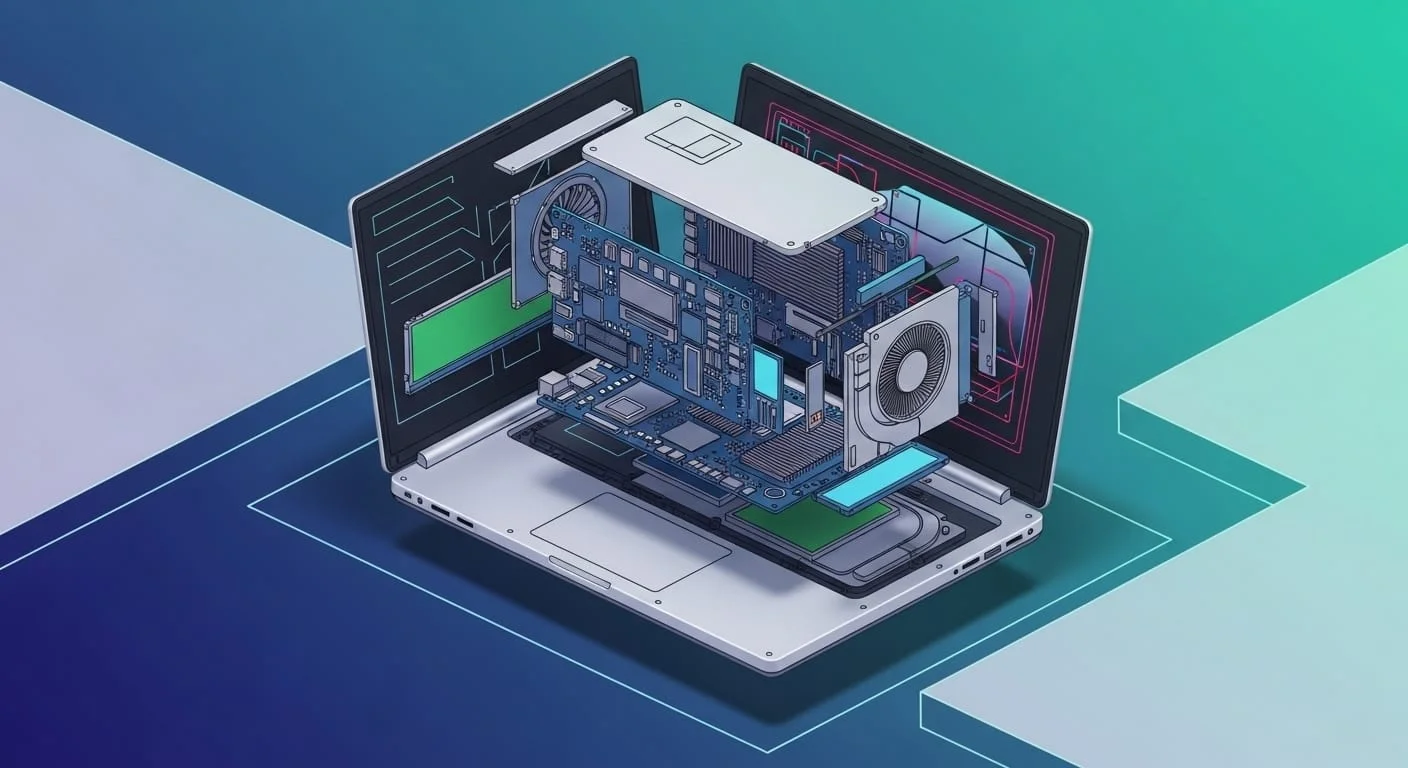
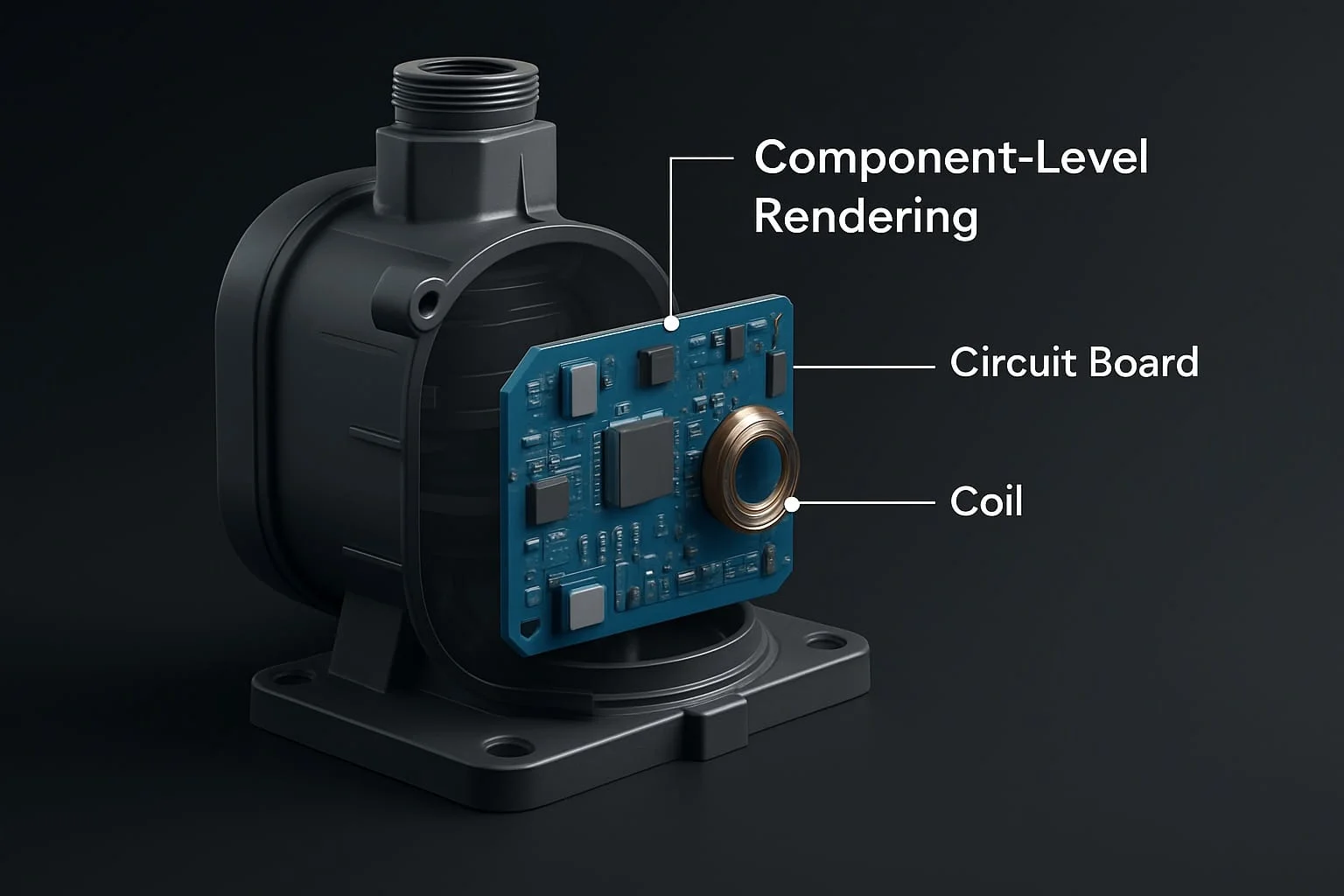
If sketching excels in its ability to keep things simple and test out new ideas, 3d visualization works wonder its ability to bring those ideas to life and give your ideas a virtual makeover. With 3D, you can see your product from all angles, spin it around, and even test how it behaves. It’s not just about how it looks; you get a feel for how it might work in the real world. For deeper detail on rendering for industrial design, see our industrial rendering guide.
3D rendering’s impact extends beyond consumer goods into specialized fields. Automotive rendering enables quick, cost-effective design variation and reduces reliance on physical prototypes. Early visualization catches issues, fine-tunes the design, and previews the finished product before commitment.
Advanced techniques such as AI in product design help produce more impactful marketing materials and customer engagement.
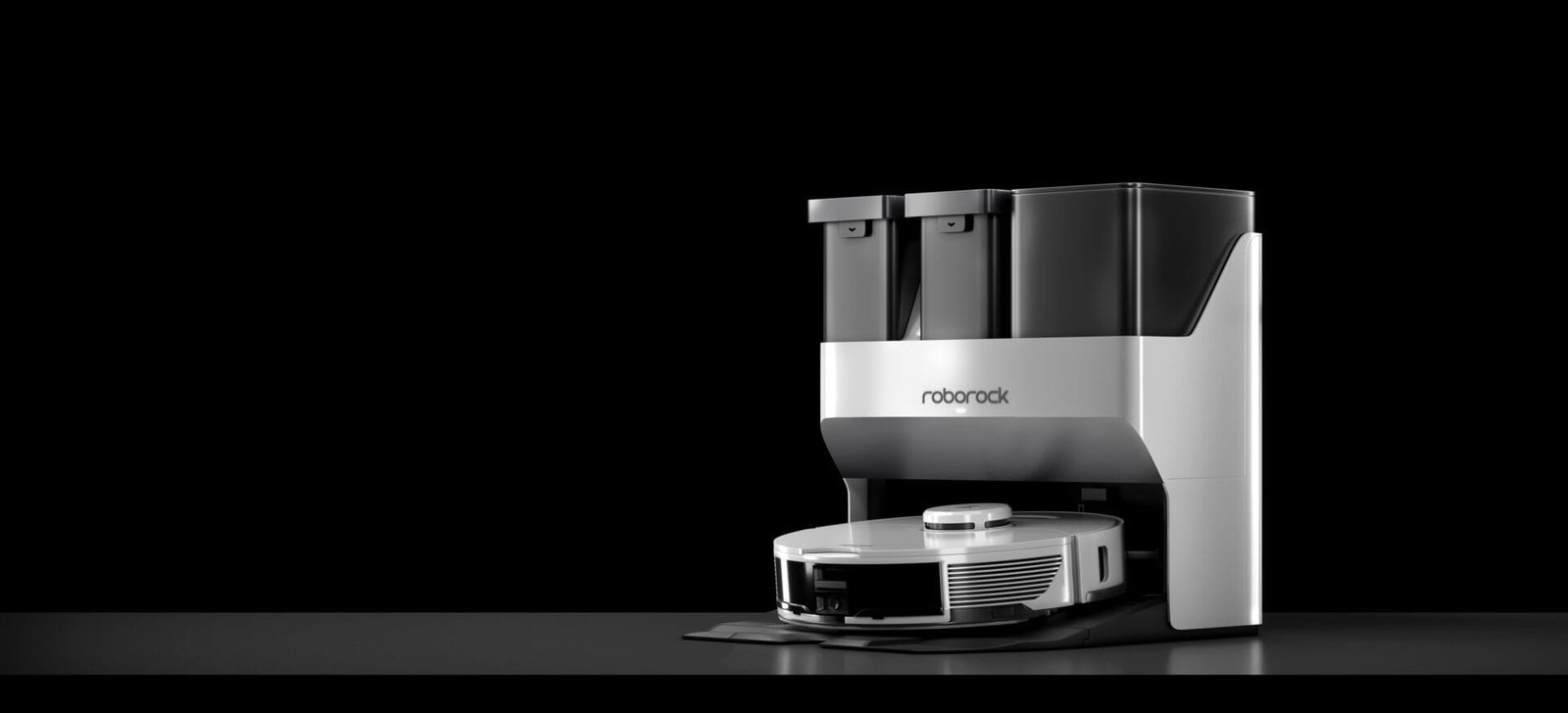
Step 5 – Testing and Validation
After the design is set, test the product against user needs.
Beta Testing Group
Assemble a group of individuals, whether friends, colleagues, or willing participants, to engage with your product in a controlled setting. Observe their interactions, gather feedback, and address any issues or confusion that may arise. This controlled setting allows for valuable insights without the pressure of a wide audience.
Soft Launch Strategy
Opt for a gradual market entry instead of a full-scale launch. Introduce your product to a limited user base or specific geographical area. This approach provides an opportunity to assess performance and make necessary adjustments before a broader release, minimizing potential risks.
Feedback Mechanism
Establish a systematic feedback collection system. Utilize surveys, hotlines, or online platforms to encourage users to share their thoughts and suggestions about your product. This structured approach allows you to gather valuable information for refining your product based on user input.
Step 6 – Launch and Marketing
Post-launch, focus shifts to marketing — grabbing attention, showing functionality, and driving purchases. Channels include social media, SEO/content, email, events/expos, and influencer collaborations.
Showing the product at its best is critical — 3d product rendering services are a strong alternative to photoshoots, avoiding logistical overhead while delivering versatile visuals.
Conclusion
Success in product and process design combines problem-solving, market research, brainstorming, and rigorous testing. Strategies include working backwards, interviews/surveys to understand audience, and sketching plus 3D visualization as a creative foundation.
For launch and marketing, 3D product rendering services beat traditional photoshoots — versatile presentations, color variations, and integration with advanced tech.
FAQs
1. What is the difference between product design and process design?
Product design creates the actual product — aesthetics, functionality, and user experience. Process design plans and organizes the workflow and methods used to make it, emphasizing efficiency, cost-effectiveness, and scalability.
2. How important is user feedback in the product design process?
Critical — it ensures the product meets real end-user needs, refines the design, improves usability, and drives market success.
3. Can you explain the role of prototyping in product design?
Prototyping builds a preliminary model so designers and stakeholders can test ideas and functionality, improve the design, and gauge user reactions before final production, reducing costly late-stage changes.
4. What are some common challenges faced in product design
Balancing functionality with aesthetics, working within budget, staying aligned with user needs, managing time, and keeping pace with evolving technology and market trends.