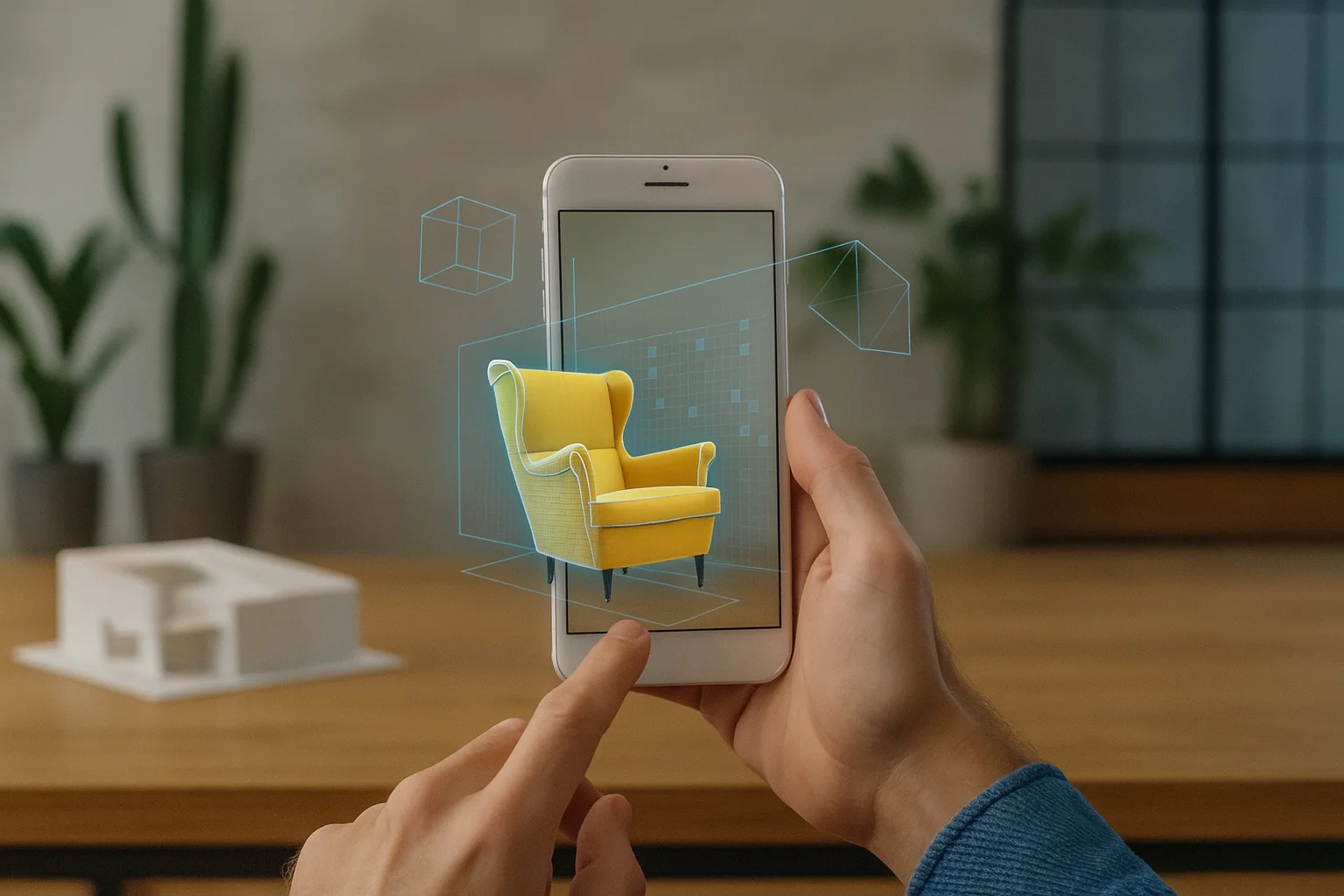
Augmented reality has moved beyond novelty — it’s now a core part of the modern product design toolkit.
AR helps teams move faster, test smarter, and reduce the friction between idea and reality. With AI, 5G, and spatial computing maturing fast, AR is evolving into something far more powerful.
”AR supplements rather than replaces reality.” — Ronald Azuma
Key Takeaways
- AR is shifting from presentation to design tool — helping teams prototype, test, and refine products faster.
- AI-powered AR is like having a real-time design assistant — flags issues, suggests improvements, speeds up decisions.
- IoT and 5G make AR smarter and more connected — enabling real-time feedback from physical environments during design.
- Users are experiencing products through AR before they buy — designers need to build with that virtual context in mind.
- The future is hands-free and spatial — wearable AR will change how we create, review, and collaborate on product ideas.
AR Is Becoming a Design Tool, Not Just a Demo Gimmick
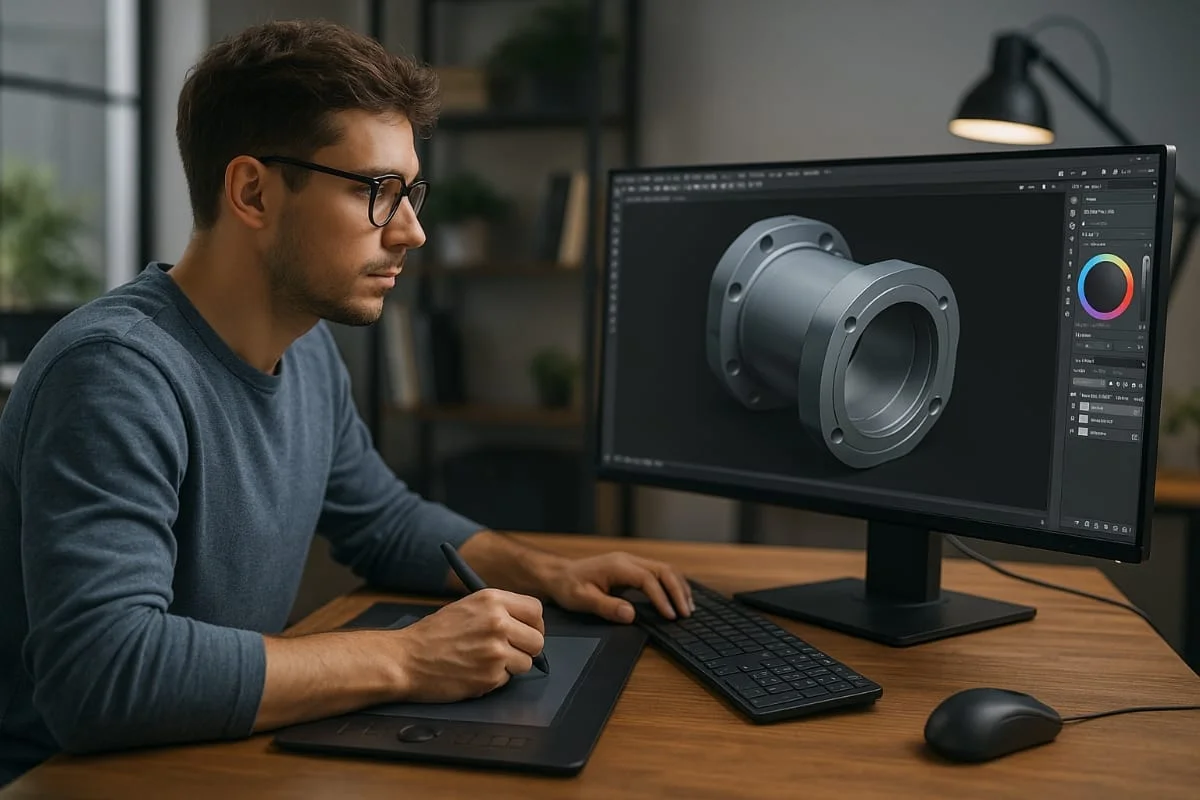
When people think of AR, they often picture flashy marketing or virtual try-ons. But in product design, AR is starting to do some serious heavy lifting — well before a product ever reaches customers.
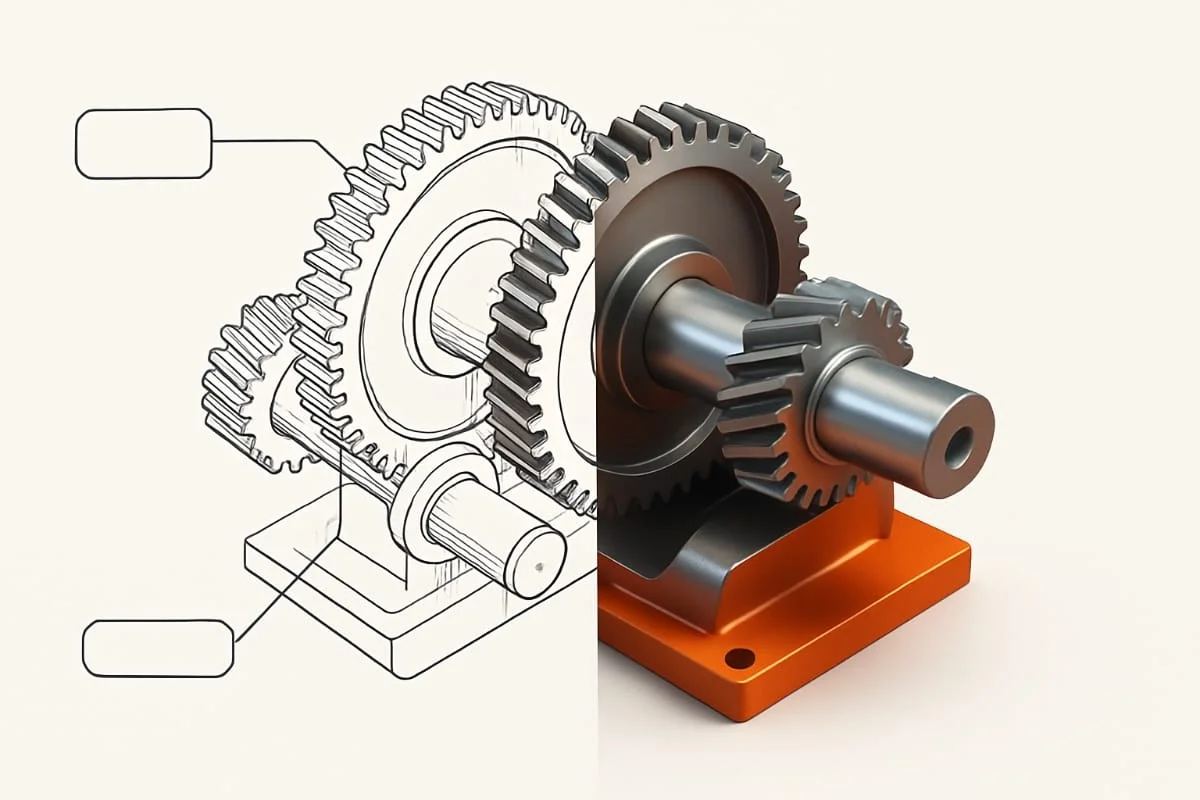
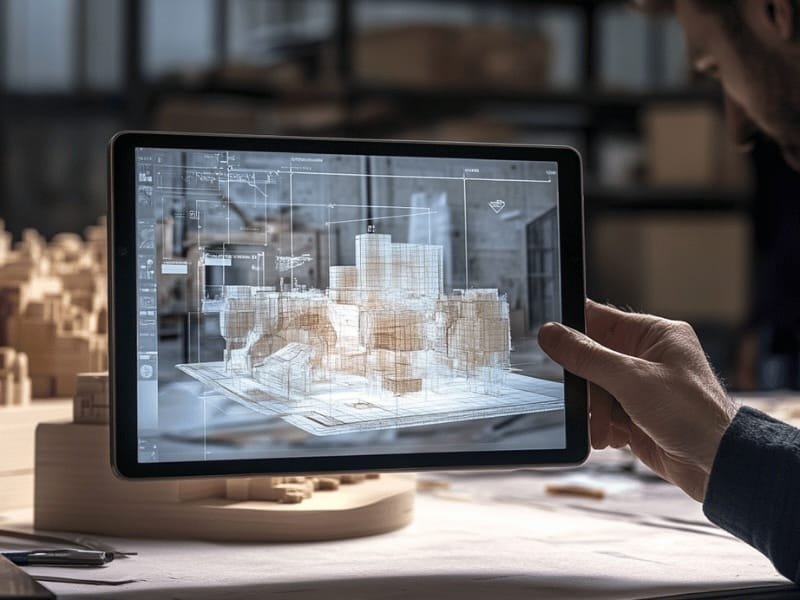
Need to test proportions? Explore colorways? Check ergonomics? You can now do that instantly in AR, overlaid onto a real environment. For physical product designers, it’s like working with a living prototype.
As AR gets easier to access — from phones, tablets, and now wearable headsets — it’s going to become a natural part of the design flow.
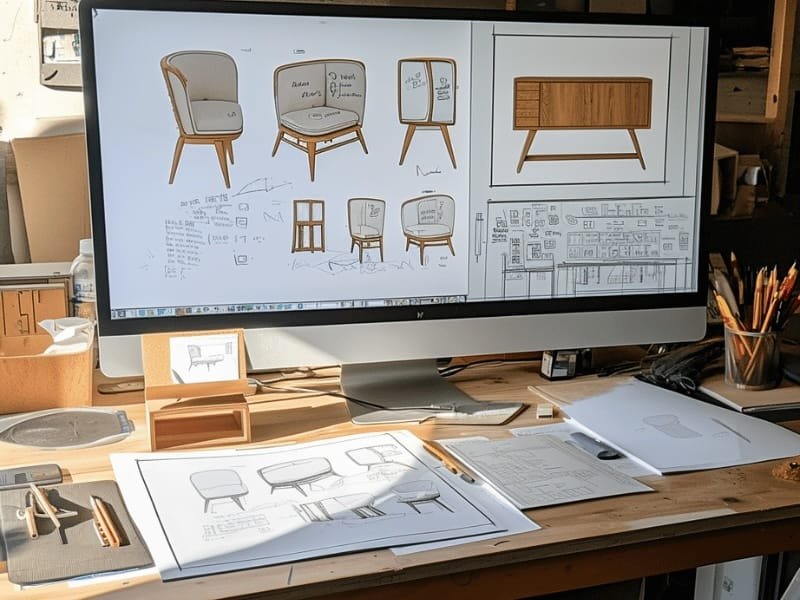
When AI Meets AR, Design Gets Smarter
AR on its own is powerful. But when you add AI into the mix, things start to get really interesting.
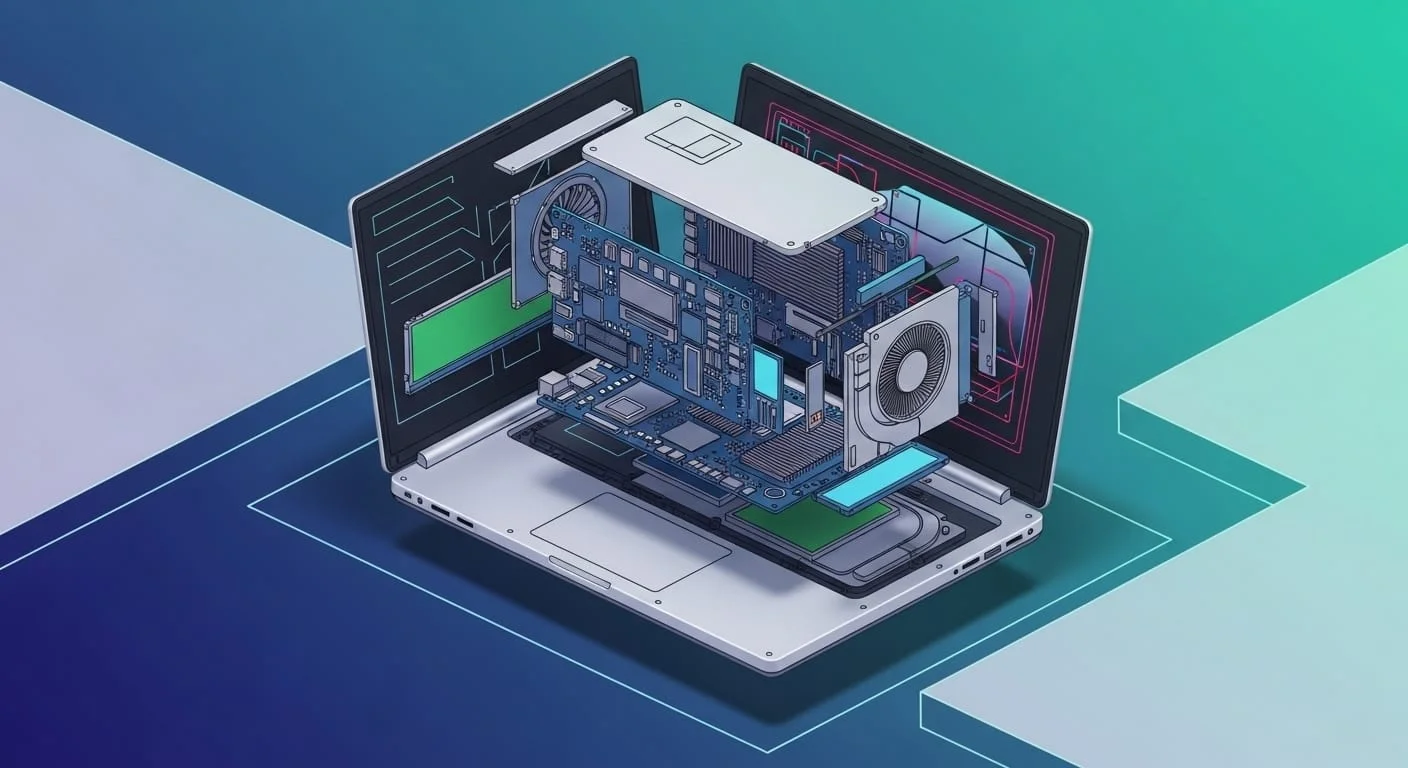
Load a physical product into an AR environment and start playing with shapes, angles, and textures. The system can suggest ergonomic tweaks, flag weak points, or predict how materials might perform under stress. It’s like having a design assistant who never sleeps.
For product designers, that means fewer blind spots, smarter testing, and better products.
AR Is Getting Supercharged by IoT and 5G
Pair AR with real-time data from IoT devices and the speed of 5G, and suddenly you’re designing in a live, responsive system.
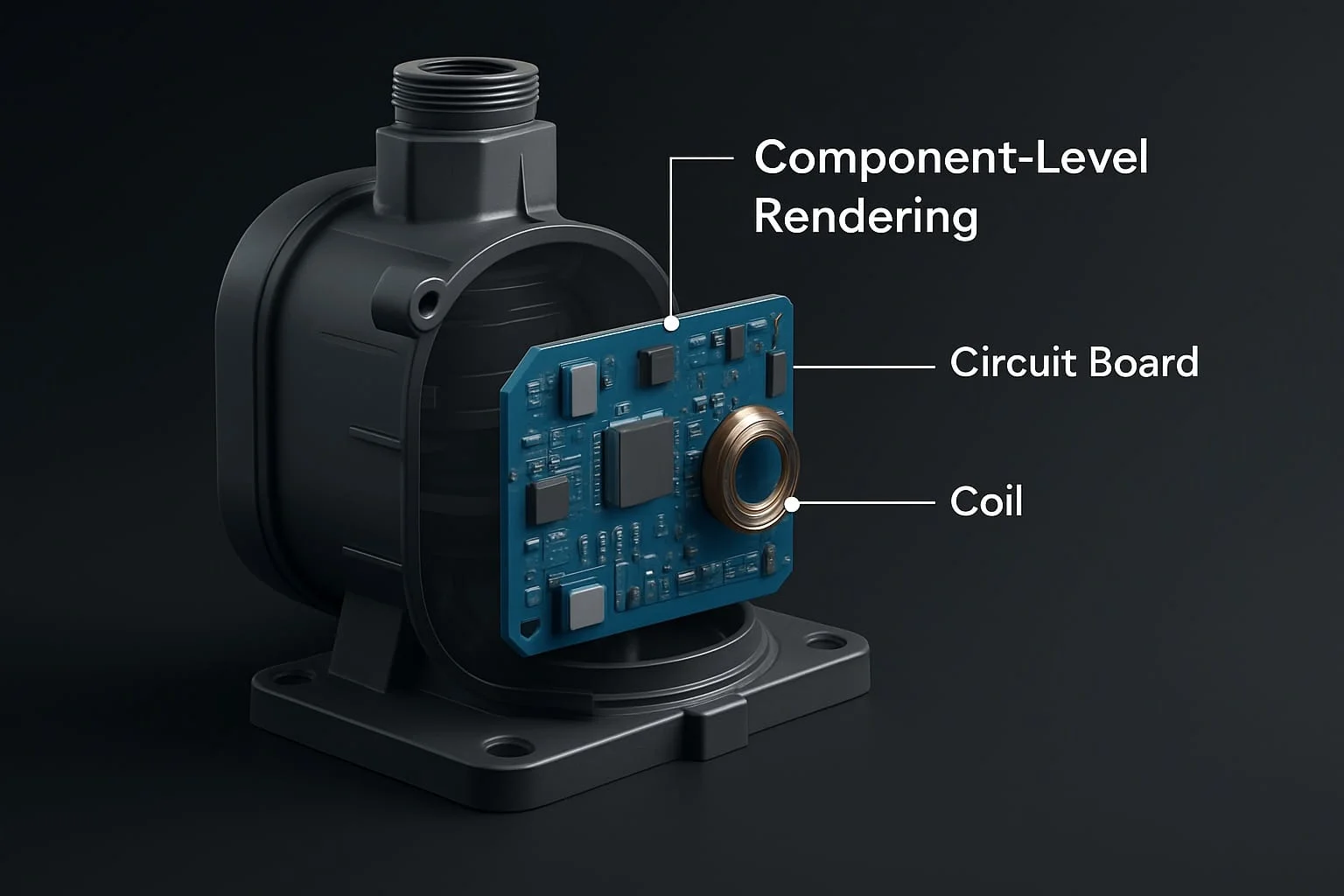
A physical prototype with built-in sensors tracking temperature, pressure, or user interaction — AR pulls in that live data and overlays it directly onto your design. You see exactly how your product performs, in context, without waiting for lab tests.
Thanks to 5G, the lag is basically gone. You can collaborate across locations — your team in Berlin, your engineer in Toronto — tweaking a shared 3D model in AR like you’re standing in the same room.
AR in Everyday Life Is Raising the Bar for Product Design
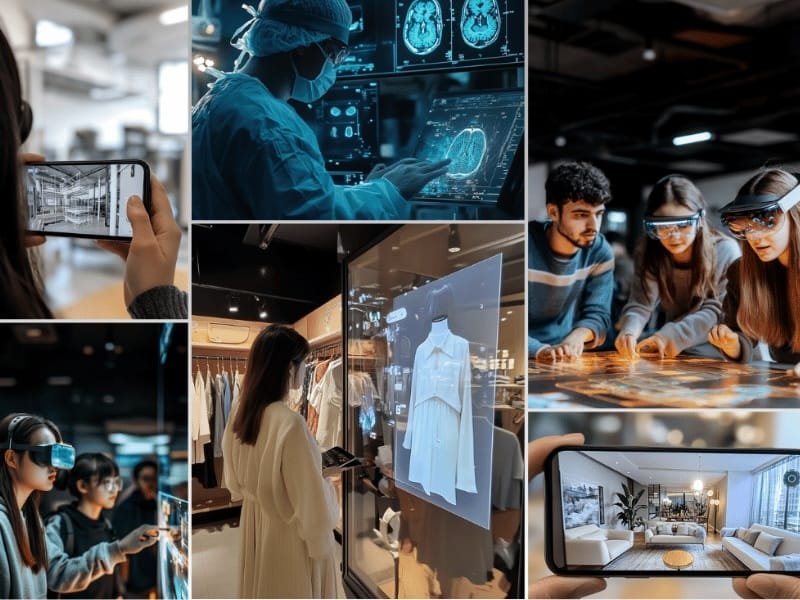
AR isn’t just a tool for designers — it’s shaping the expectations of the people we’re designing for. From virtual furniture try-ons to real-time wayfinding, people are starting to expect interactive, responsive, and personalized experiences in the physical world.
Designing a product today doesn’t stop at “does it work?” Now, it’s also: Can it connect? Can it teach? Can it respond in real time?
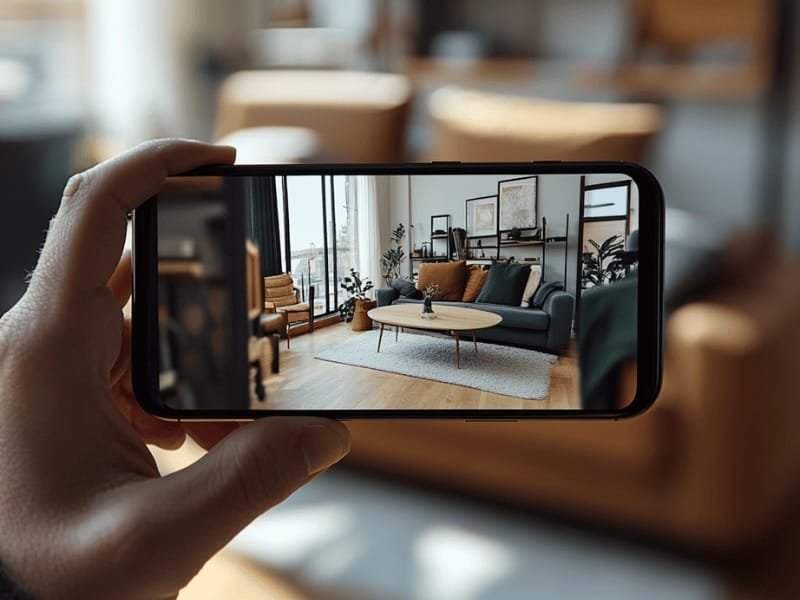
Even in industries like healthcare, education, or retail, users are experiencing products through AR before they even touch them. Your product might be viewed on a kitchen counter, on someone’s wrist, or in a warehouse — all through an AR layer.
What’s Next for AR in Product Design?
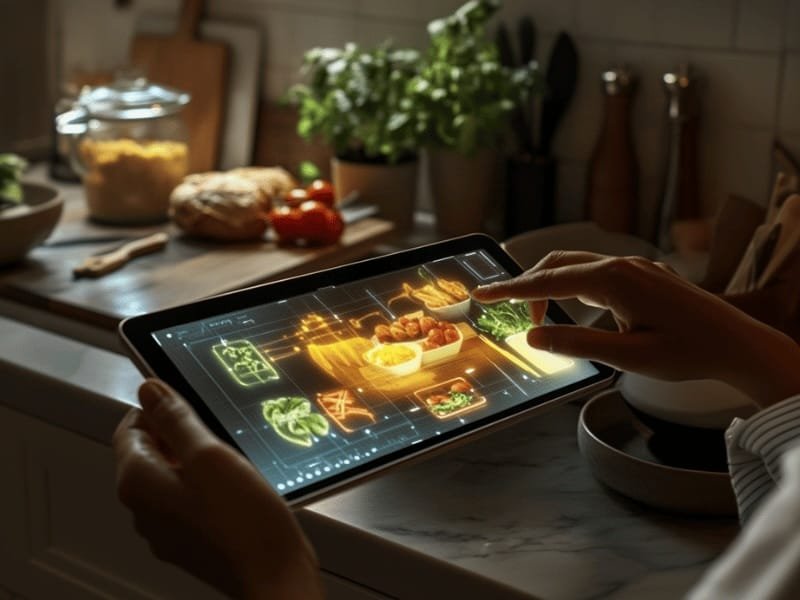
We’re just scratching the surface. The next wave is wearables, spatial computing, and context-aware design.
Wearable AR devices — like smart glasses — are finally starting to catch up to the vision. As they get lighter, faster, and more affordable, you’ll be able to review designs hands-free, walk around them at scale, layer in live feedback, and tweak on the spot.
Add spatial computing — where digital content interacts with the physical world in smarter ways — and the line between design and real life starts to blur. We won’t just be designing products anymore. We’ll be designing how they’re experienced.
Conclusion
AR isn’t just a bonus feature anymore — it’s becoming a core part of how we design, test, and bring products to life.
Whether you’re working on connected devices, physical packaging, or hardware for emerging tech, augmented reality is shaping how your users will experience what you create. With AI, IoT, and spatial computing entering the mix, that experience is getting smarter, faster, and more immersive.
Curious about the specific advantages AR brings to workflows? Read more about the benefits of augmented reality across industries.
Ready to Bring Your Product Designs to Life with AR?
Discover our AR product rendering services and turn your concepts into immersive, interactive experiences — faster, smarter, and more real than ever.
FAQs
What is the future of augmented reality? The future of AR lies in its integration with AI, IoT, and 5G, creating smarter, more immersive experiences across professional and daily life interactions.
How will AR impact daily life? AR will enhance everyday activities like shopping, learning, and navigation, making them more interactive and efficient.
What role will AI play in AR? AI will be crucial in driving AR’s evolution, enabling more personalized and adaptive applications.
What are the emerging trends in AR? Wearable AR, AR in the metaverse, and cross-platform AR applications.
How does AR improve the product development process? Reduces guesswork and speeds up decisions. Designers can validate shapes, materials, and usability in real time.
Can AR be used with live data or IoT devices? Yes. AR can integrate with IoT sensors to display live product data — temperature, pressure, performance — directly onto a 3D model.