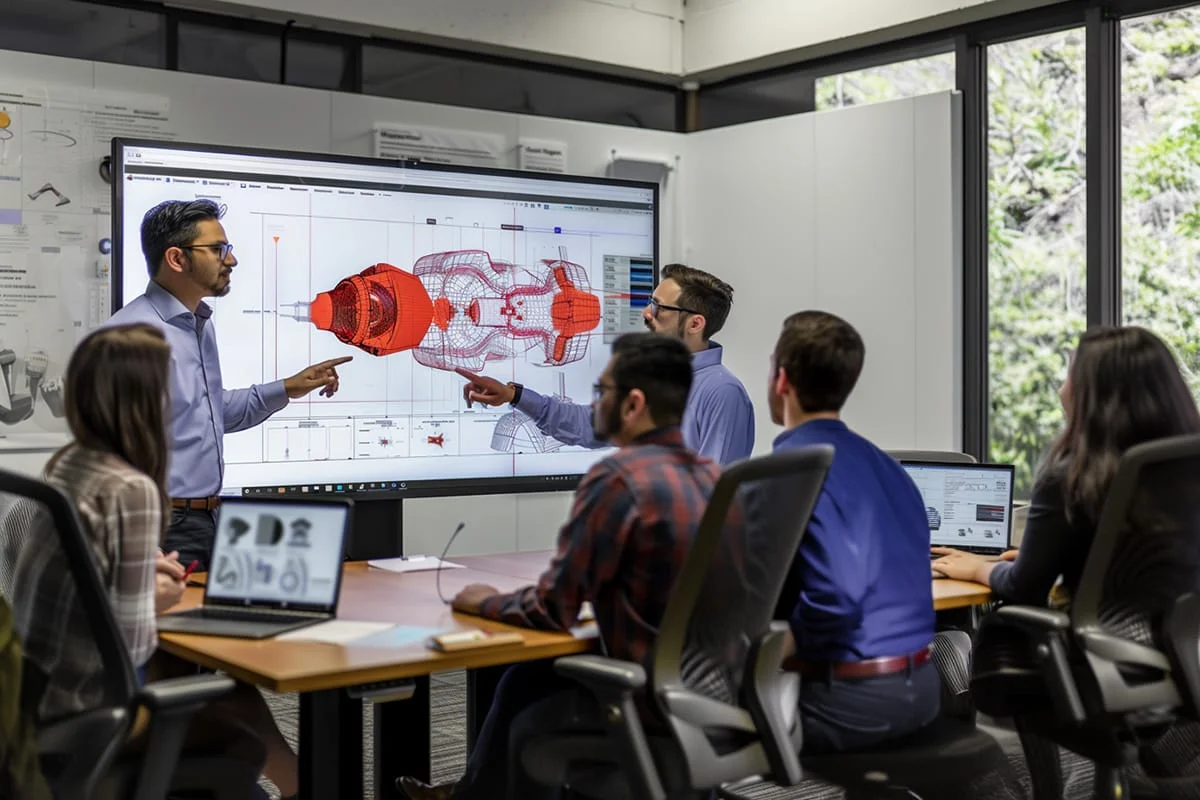
In the fast-paced world of industrial design, bringing products to market quickly can be the difference between leading and lagging. Industrial product 3D rendering transforms the traditional design process into a streamlined, efficient journey, shaving weeks or months off time-to-market.
Industrial rendering leverages advanced digital techniques to create lifelike visualizations of products long before they are physically produced, enhancing design and ensuring issues are identified early. This article explores how industrial design rendering accelerates development from concept to market with unprecedented speed and precision.
Key Takeaways
- 3D rendering accelerates the design process, reducing development time.
- It allows for early detection and correction of design flaws.
- Enhances collaboration and communication among stakeholders.
- Reduces the need for physical prototypes, saving time and costs.
- Improves marketing efforts with high-quality visuals before production.
Accelerating the Design Process
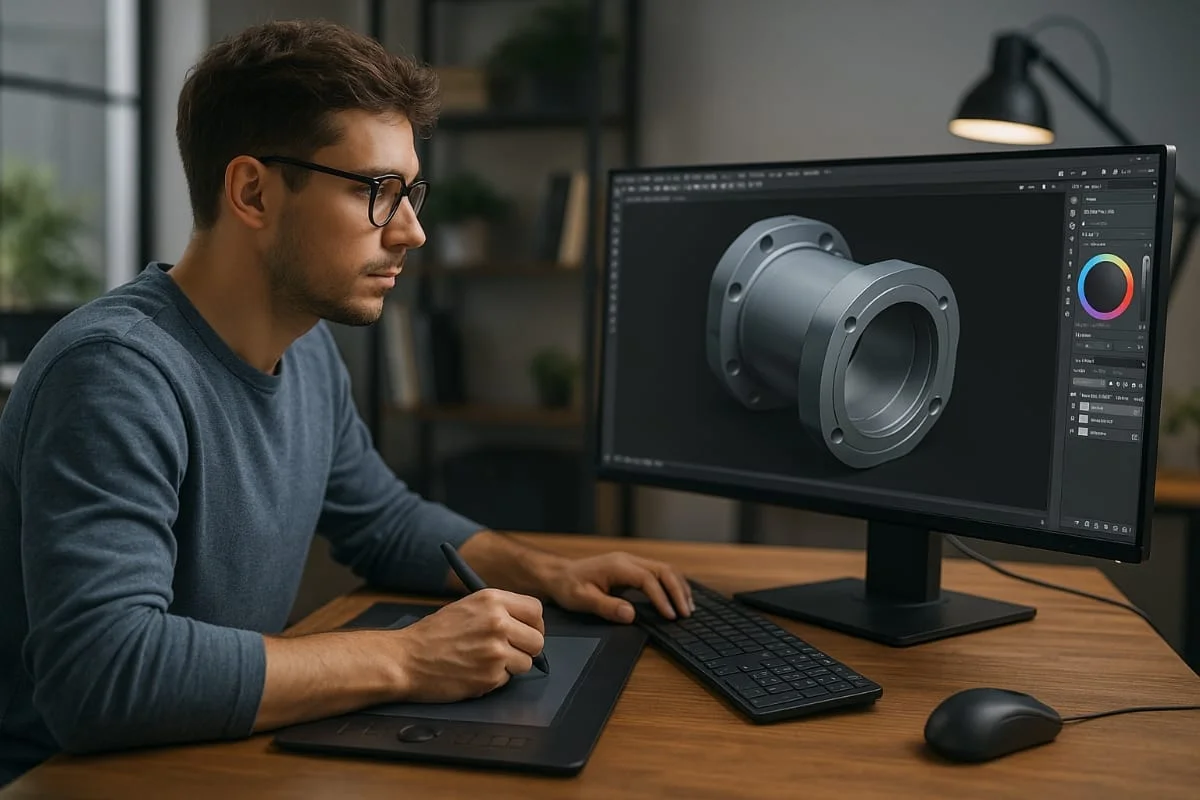
In industrial design, time is essential. Traditional iterations with physical prototypes drag on, but industrial design rendering changes the dynamic by letting designers visualize and refine concepts via detailed 3D models in a fraction of the time.
On a project with a leading automotive manufacturer developing eco-friendly vehicles, industrial product 3D rendering produced multiple iterations within days, scrutinizing aerodynamics, aesthetics, and functionality, keeping the launch on schedule.
The beauty of industrial design rendering is instant feedback — designers see the impact of changes in real-time, identifying issues early so physical prototypes are already close to final.
3D industrial rendering also enhances collaboration: engineers, designers, and marketers interact with the same models, ensuring technical, aesthetic, and strategic alignment.
Early Detection and Correction of Design Flaws
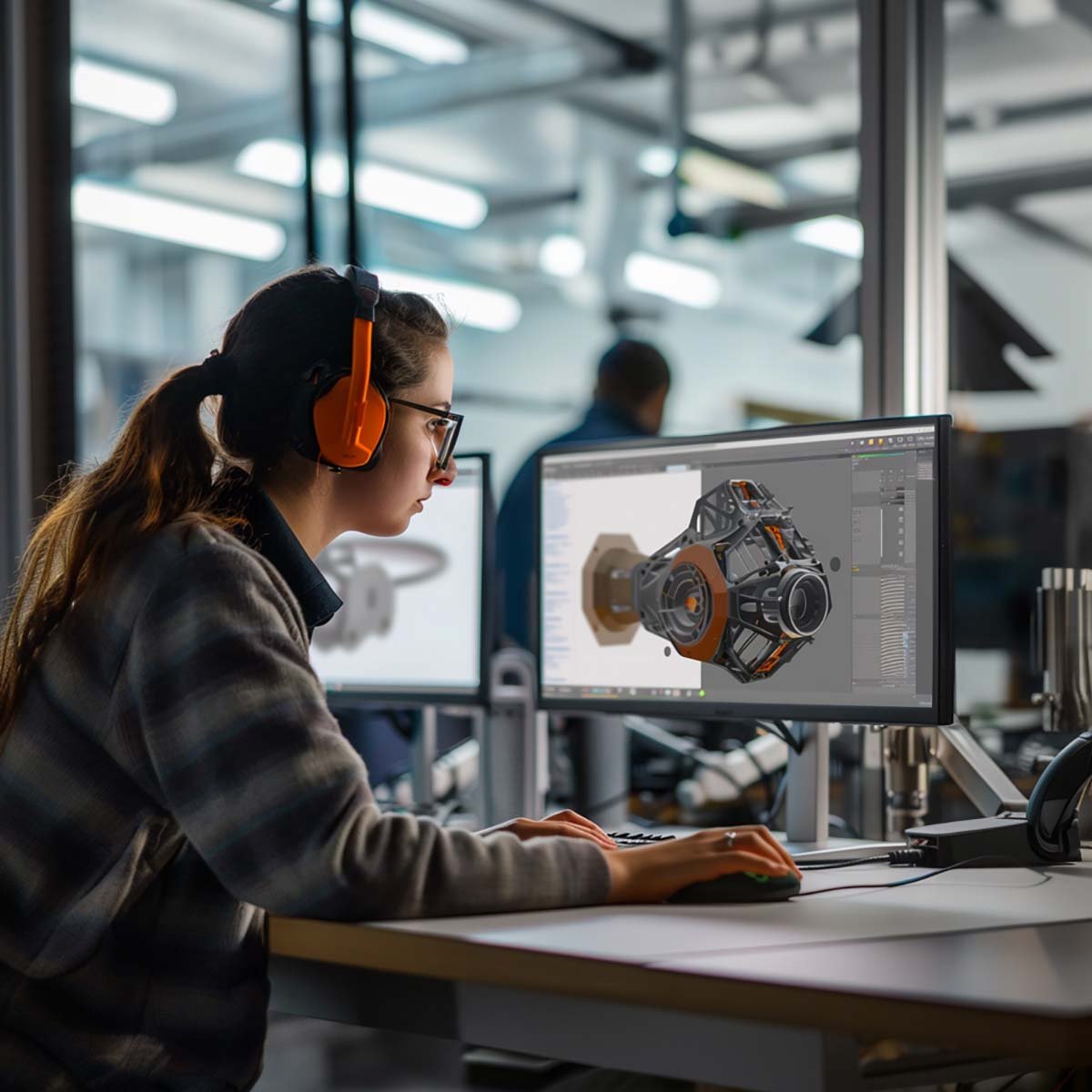
A major advantage is detecting and correcting design flaws early. Traditional methods rely on costly physical prototypes; 3D industrial rendering spots problems before any prototype is built.
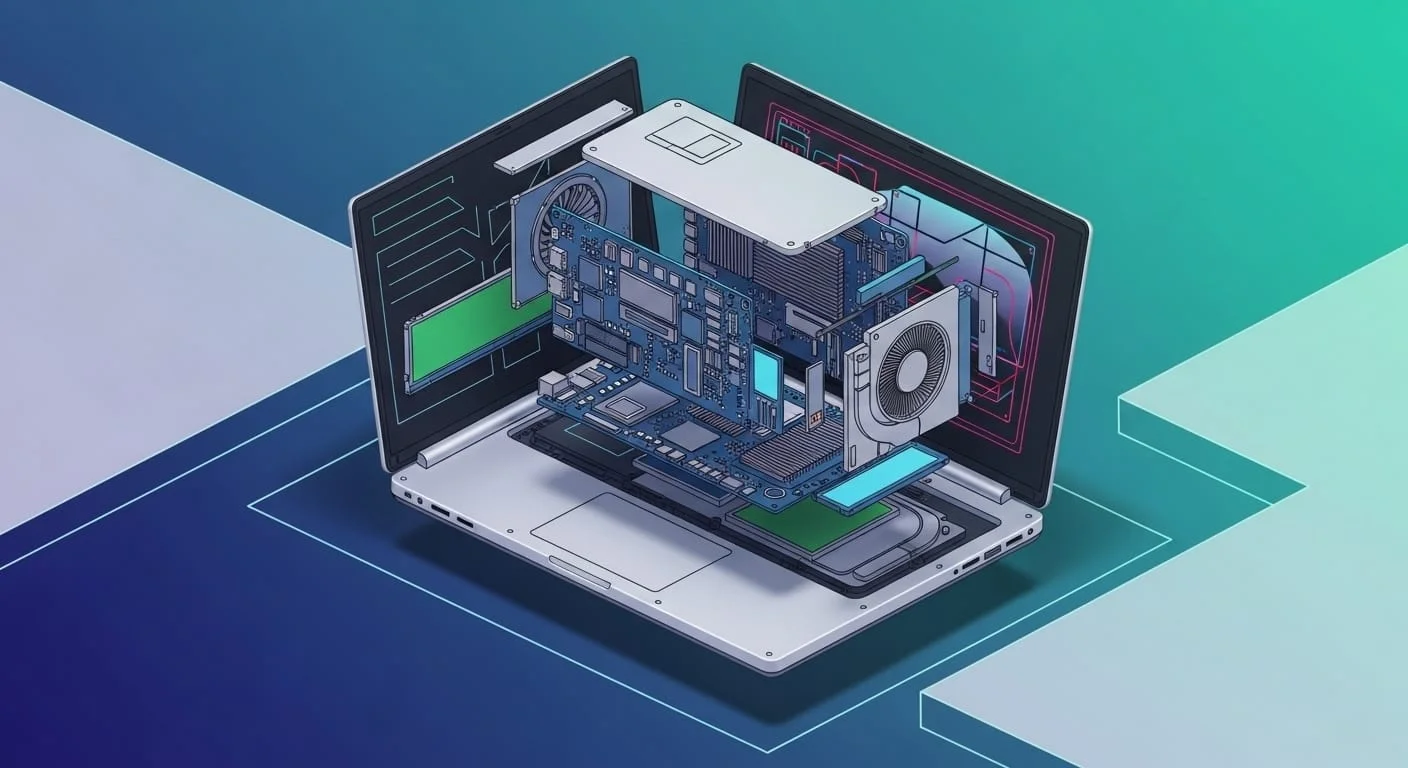
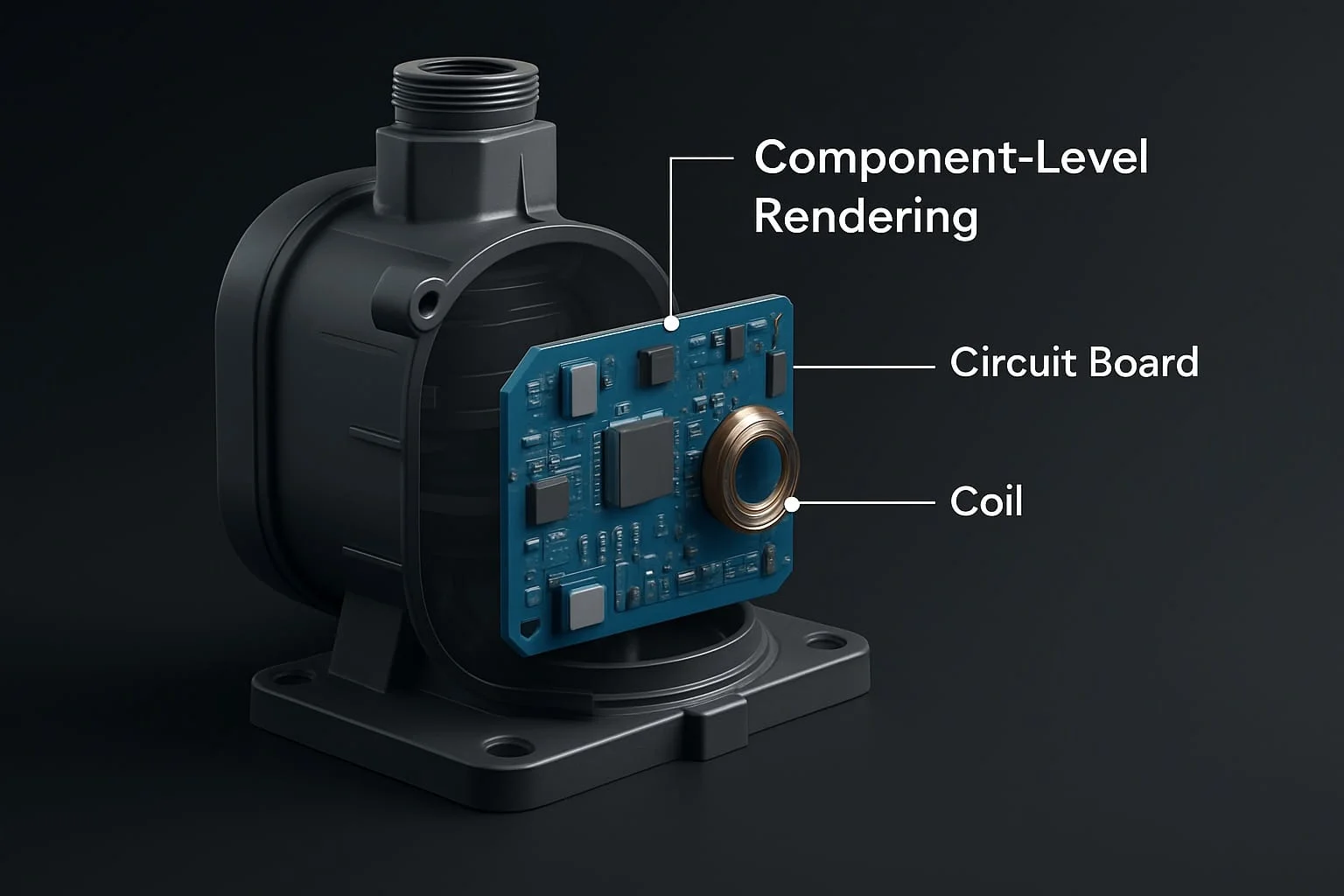
For a consumer electronics company developing smart home devices, industrial design product rendering created detailed digital models allowing examination of internal component placement and aesthetics. Heat dissipation issues were caught early, allowing internal redesign without multiple physical prototypes.
Industrial design rendering supports thorough testing of functionality and aesthetics, simulating real-world conditions and reducing costly post-production modifications.
Early detection extends to regulatory compliance — products can be virtually tested against standards. For a medical device company, stress test simulations revealed weak points that were reinforced, meeting regulatory requirements without multiple physical tests.
Enhancing Collaboration and Communication
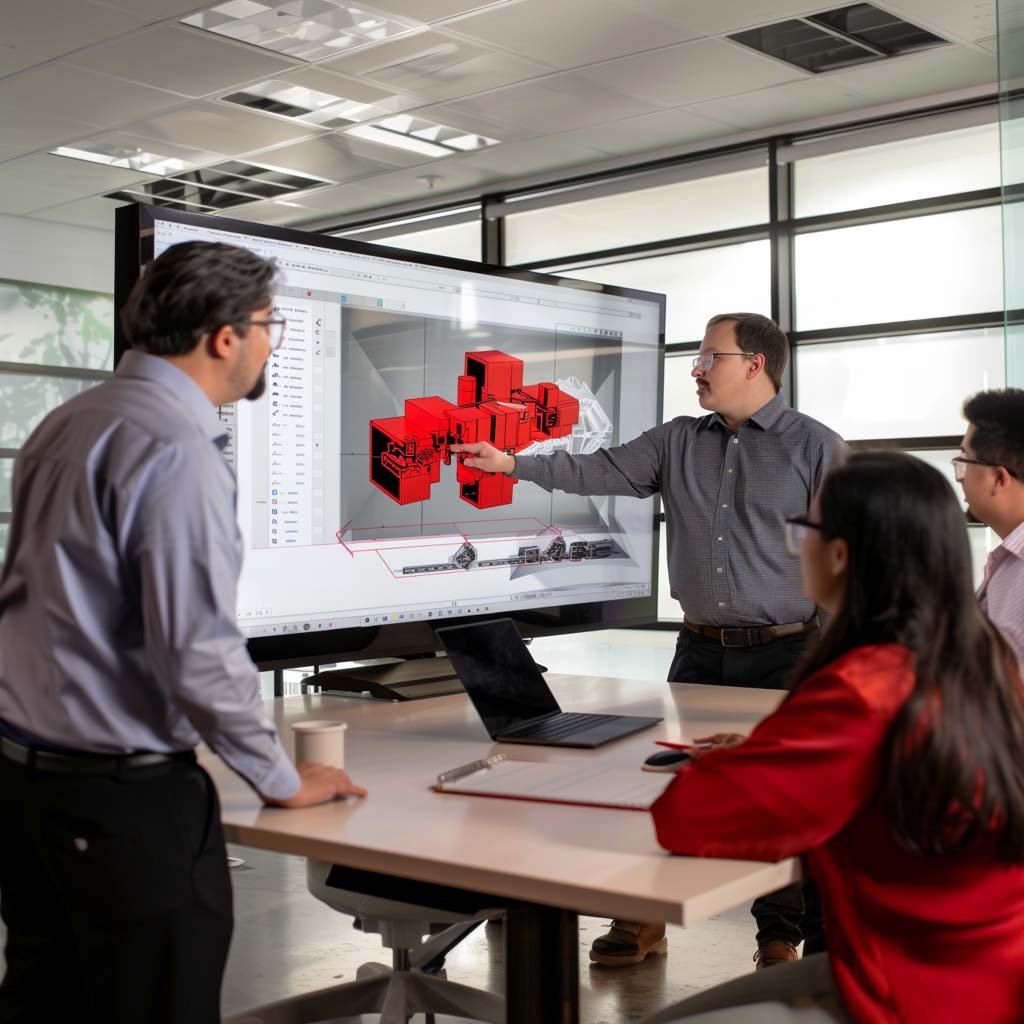
Effective communication among team members is paramount in industrial design. Industrial design rendering provides a common visual language for designers, engineers, and marketing teams.
On a project with a leading industrial equipment manufacturer, industrial design product rendering produced shared visualizations so engineers could see how components fit and marketers could envision the final product.
Industrial design rendering enables virtual collaboration valuable for remote work — teams share 3D models online, annotate, and adjust without physical presence. On a recent consumer goods project, team members worldwide accessed models, provided input, and saw changes instantly.
High-quality 3D renders communicate design concepts to non-technical stakeholders — clients, investors, decision-makers — making complex ideas accessible. A furniture design company used industrial design rendering to showcase ergonomic office chairs to investors, securing funding.
Reducing the Need for Physical Prototypes
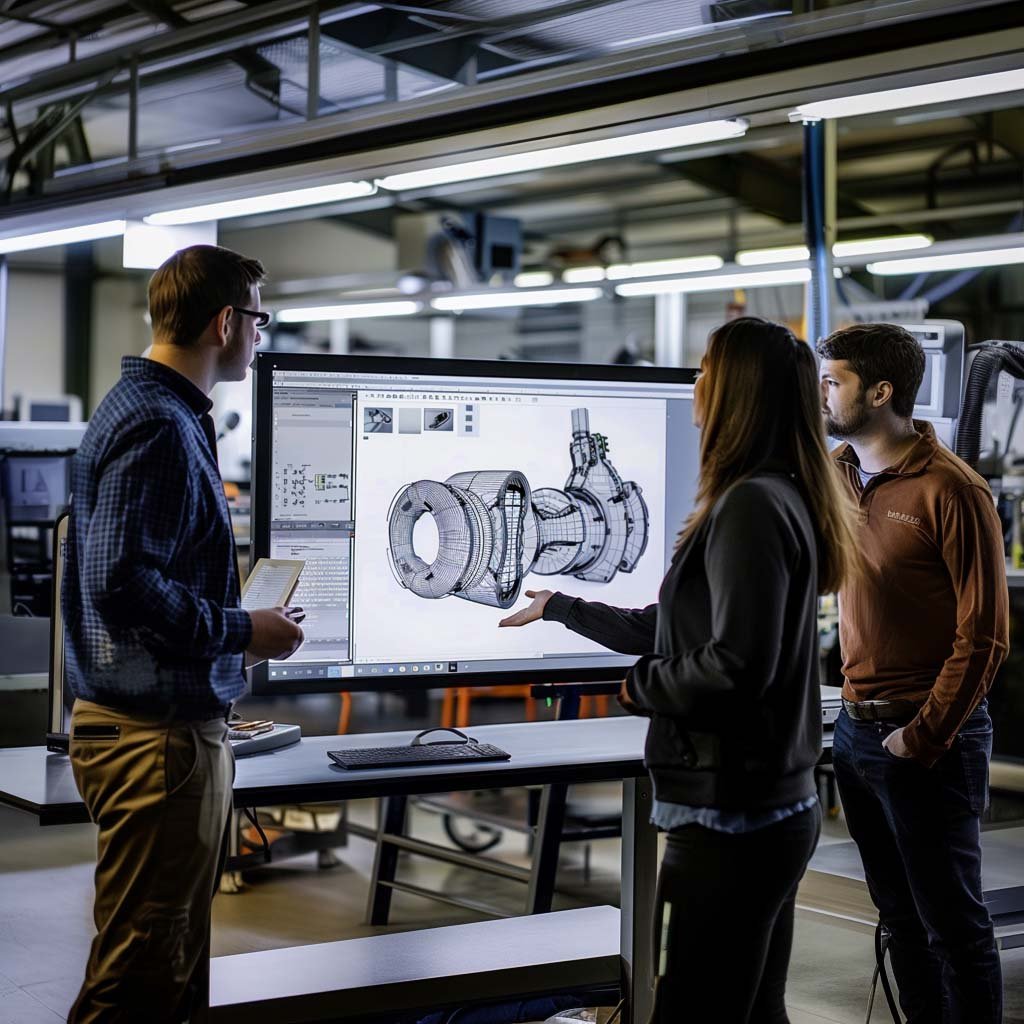
Traditional design involves multiple costly physical prototypes. Industrial design rendering significantly reduces this need, letting companies streamline development.
For consumer electronics, each iteration traditionally needed a new prototype with material costs and waste. Industrial product 3D rendering creates highly detailed digital models for extensive testing without physical models.
On a home appliance project for a new smart refrigerator, industrial design rendering produced a virtual model adjusted and tested digitally, eliminating multiple physical prototypes.
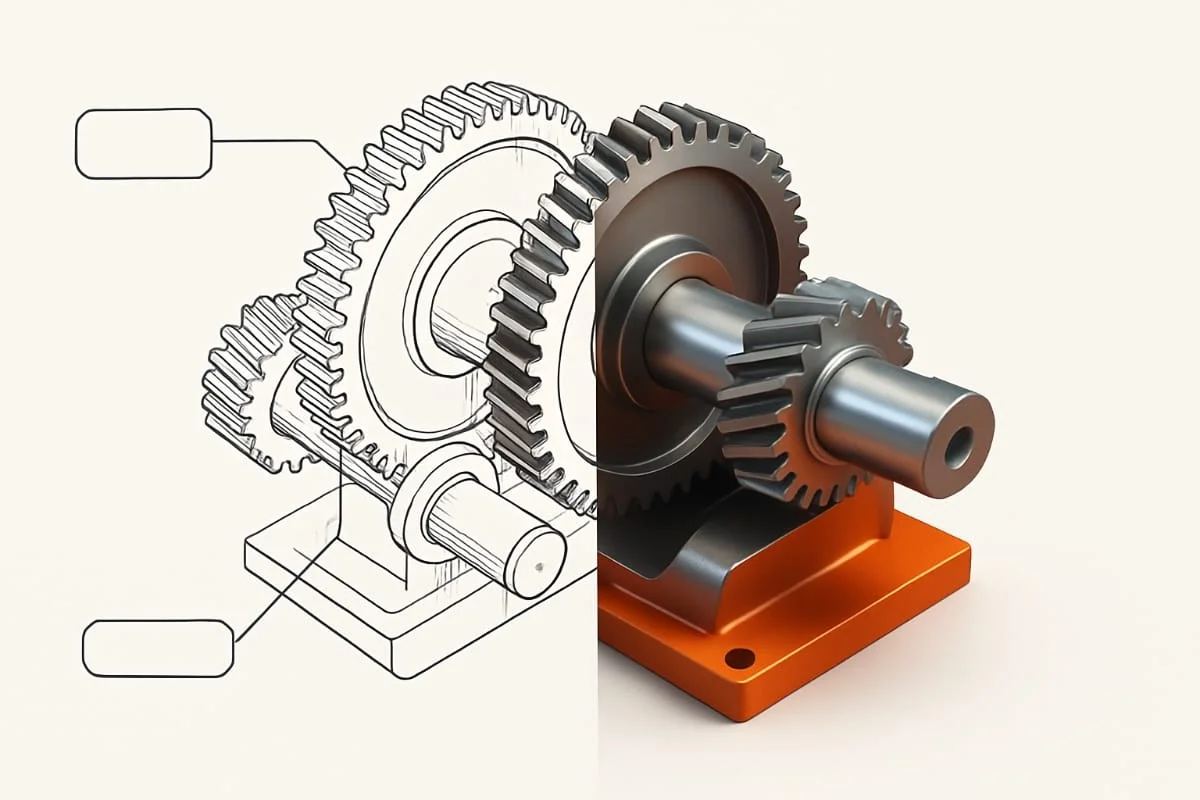
Industrial rendering enables virtual simulations of product performance — stress, thermal behavior, ergonomics. This is particularly beneficial in package rendering, reducing material waste and production costs.
For a sports equipment company designing protective gear, impact and stress tests were simulated on digital models, producing a durable product ready for production after just one physical prototype.
Reducing physical prototypes aligns with sustainability — minimizing material waste and energy consumption for greener practices.
Improving Marketing Efforts
Industrial design rendering enhances marketing by producing high-quality realistic visualizations even before production.
For a tech startup launching a wearable device, industrial product 3D rendering produced high-resolution images and an animated video for the pre-launch campaign, generating excitement and securing thousands of pre-orders.
3D renders are realistic and versatile — unlike traditional photography, they allow unlimited creative possibilities across environments, colors, and configurations.
A furniture company showed a modular sofa in various rooms, color schemes, and arrangements through 3D renders used in their online store and marketing, driving a significant sales increase.
3D renders enhance interactive and immersive marketing — Augmented reality (AR) and virtual reality (VR) technologies rely on high-quality 3D models for engaging experiences.
An automotive company used 3D renders to create an AR app letting buyers explore a new car model, customize features, and see it parked in their driveway — boosting engagement and yielding buying insights.
Conclusion
3D rendering is revolutionizing industrial design by reducing time-to-market — accelerating iterations, identifying flaws early, enhancing collaboration, minimizing physical prototypes, and boosting marketing. Embracing industrial product 3D rendering keeps companies competitive and innovative.
Transform Your Product Development with 3D Rendering
Ready to reduce your time-to-market and enhance product development? Discover how our product design rendering services can help achieve faster, more efficient results.
FAQs
What is industrial design rendering? Industrial design rendering is the process of creating detailed 3D visualizations of industrial products to aid in design and marketing.
How does 3D rendering save time in product development? 3D rendering accelerates design iterations, reduces the need for physical prototypes, and allows for early detection of design flaws.
Can 3D rendering be used for marketing purposes? Yes — high-quality 3D renders can be used in marketing materials to engage customers and generate interest before production begins.
What are the cost benefits of using 3D rendering? It reduces costs associated with physical prototypes, material waste, and redesigns, providing significant savings. It also reduces time-to-market, allowing products to be developed and launched more quickly.