Exploded view renderings are everywhere today — from technical manuals and investor decks to sleek product pages and high-end sales presentations. But what exactly are they?
Key Takeaways
- Exploded view renderings visually separate a product’s components while keeping their structure and relationships clear.
- Once used mainly in technical manuals, they now enhance sales, training, and product development workflows.
- They help both technical and non-technical audiences understand how a product works and what makes it valuable.
- Combined with 3D product rendering, exploded views become high-converting content for websites, sales decks, and investor materials.
The Basics – What Is an Exploded View?
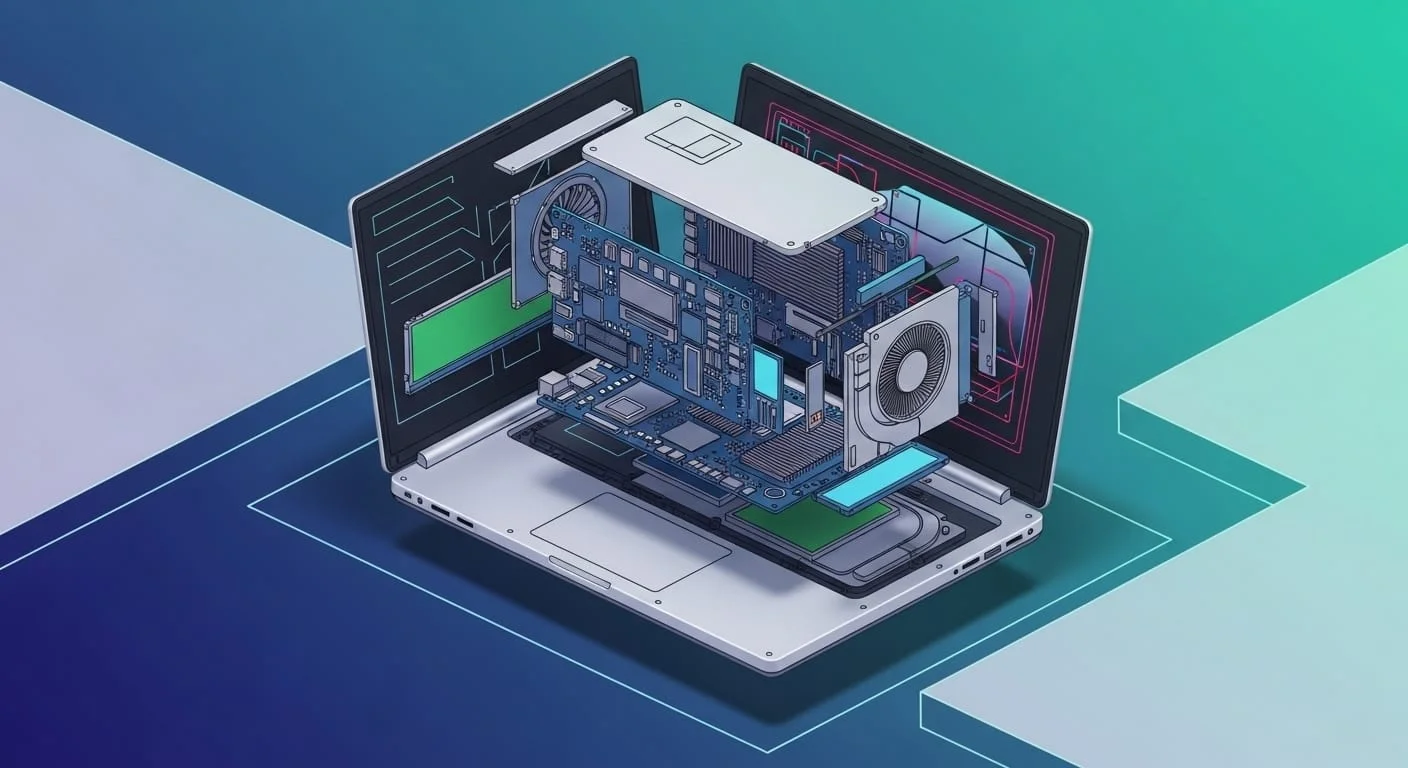
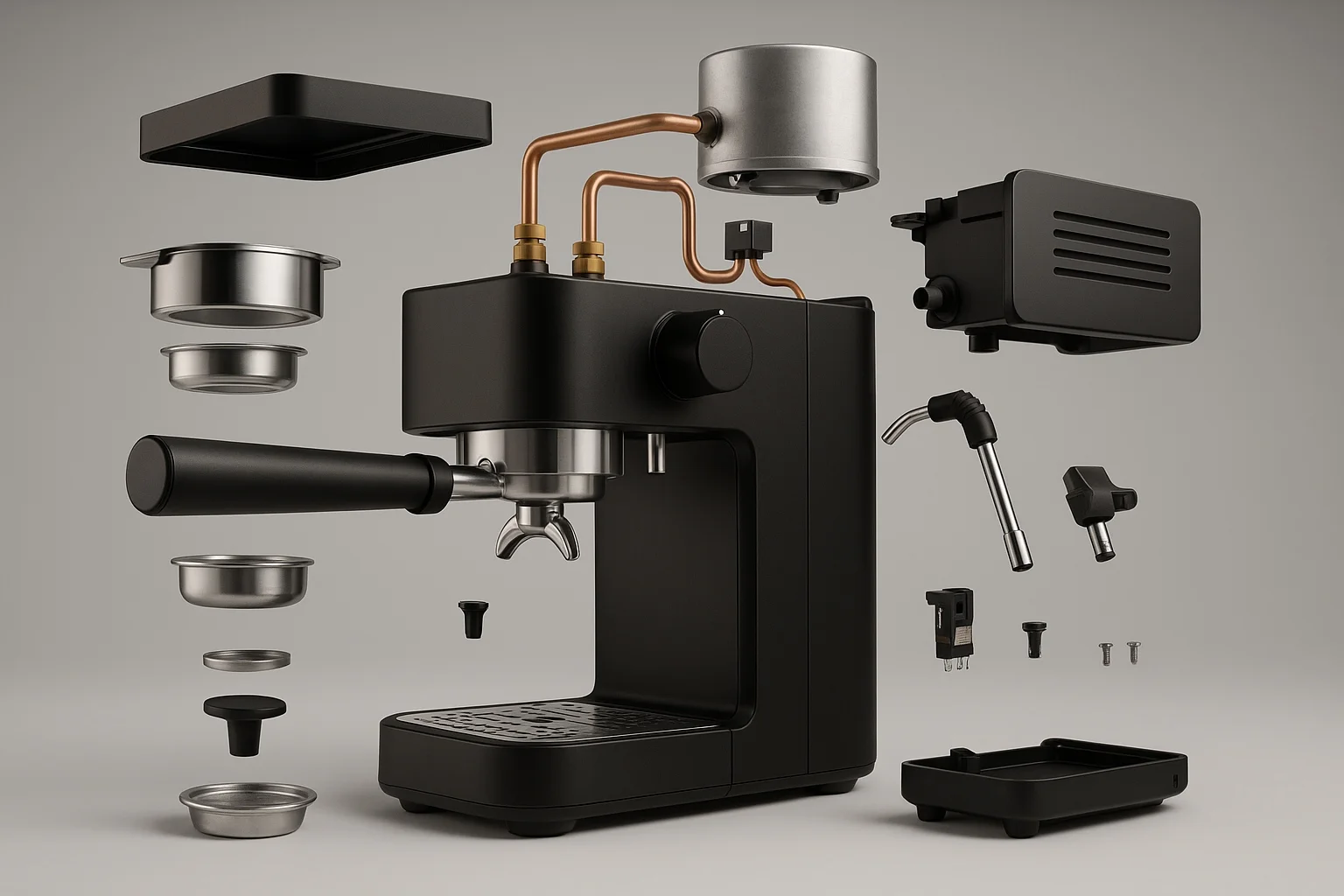
An exploded view shows a product taken apart with components spaced along a common axis so the assembly remains legible. Unlike cutaways or standard shots, it reveals internals while preserving the product’s overall form — like a transparent assembly guide.
Two main types exist: still images (manuals, product pages, print) and interactive or animated views (demos, apps where users rotate or step through layers). They commonly appear in instruction manuals, eCommerce listings, and sales/investor presentations because they tell the full story of a product inside and out.
For real-world engineering and manufacturing applications, see our post on exploded view rendering for machinery and industrial design.

Why Use Exploded View Renderings?
Complex products are hard to explain in words; exploded views show how they work visually for sales, assembly, and pitching contexts.
”Exploded views are a powerful tool for communicating the assembly and disassembly of mechanical components. They show how parts fit together, how they move, and how they interact with each other.” — Scott Morris, PLM Platform Manager at Peloton.
Benefits: they simplify complexity by breaking products into core parts; they improve communication by replacing wordy assembly explanations with visuals; they add credibility by exposing materials and build quality, building buyer trust. For conversion impact, see our post on exploded view marketing benefits. They also enhance design validation — engineers use them to evaluate structure and component interaction before finalizing.
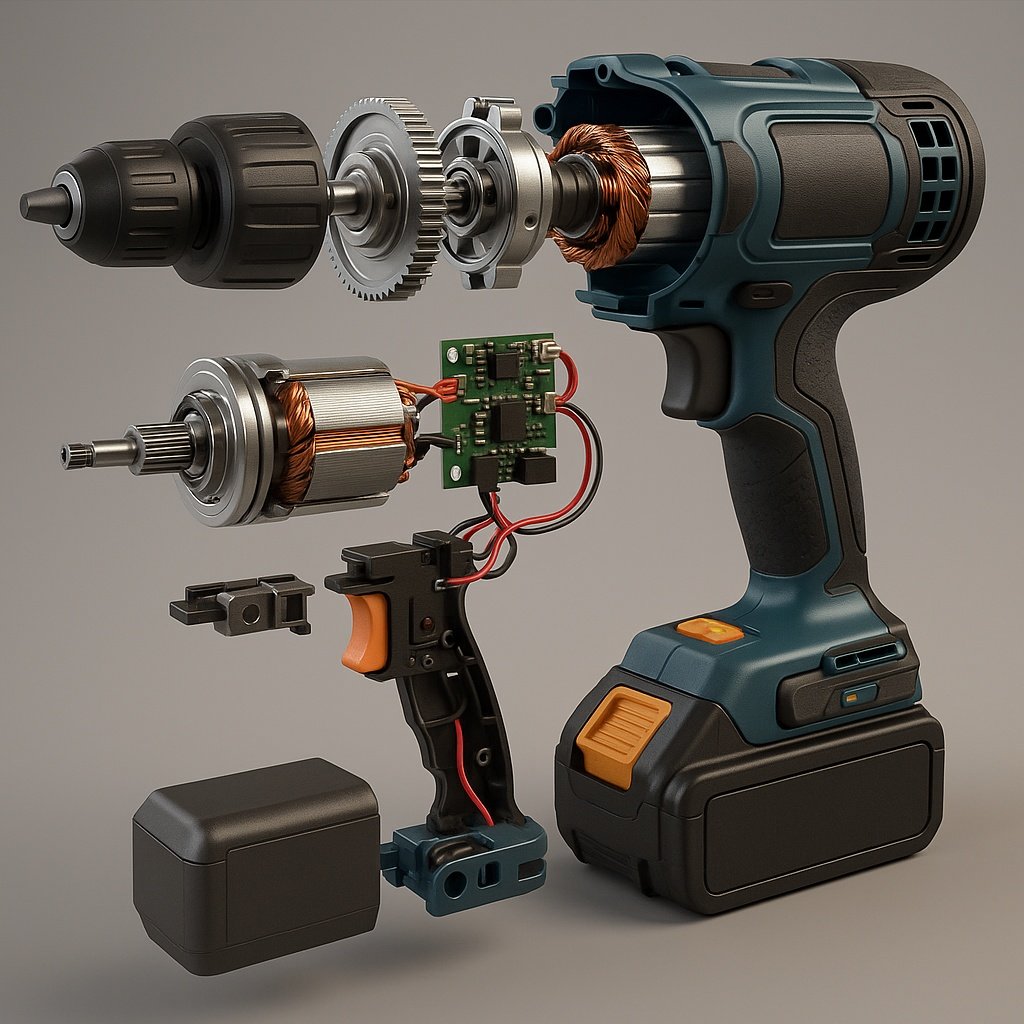
Who Uses Exploded Views and When?
Used across teams and lifecycle stages, not just engineering:
- Product engineers inspect internal layouts, troubleshoot flaws, and guide assembly.
- Industrial designers showcase function alongside form when pitching prototypes or finals.
- Marketers and advertisers tell better stories in digital ads, brochures, and landing pages for high-end or technical products.
- Sales teams highlight features and walk clients through systems without technical docs.
- eCommerce brands add exploded views to PDPs for deeper product understanding.
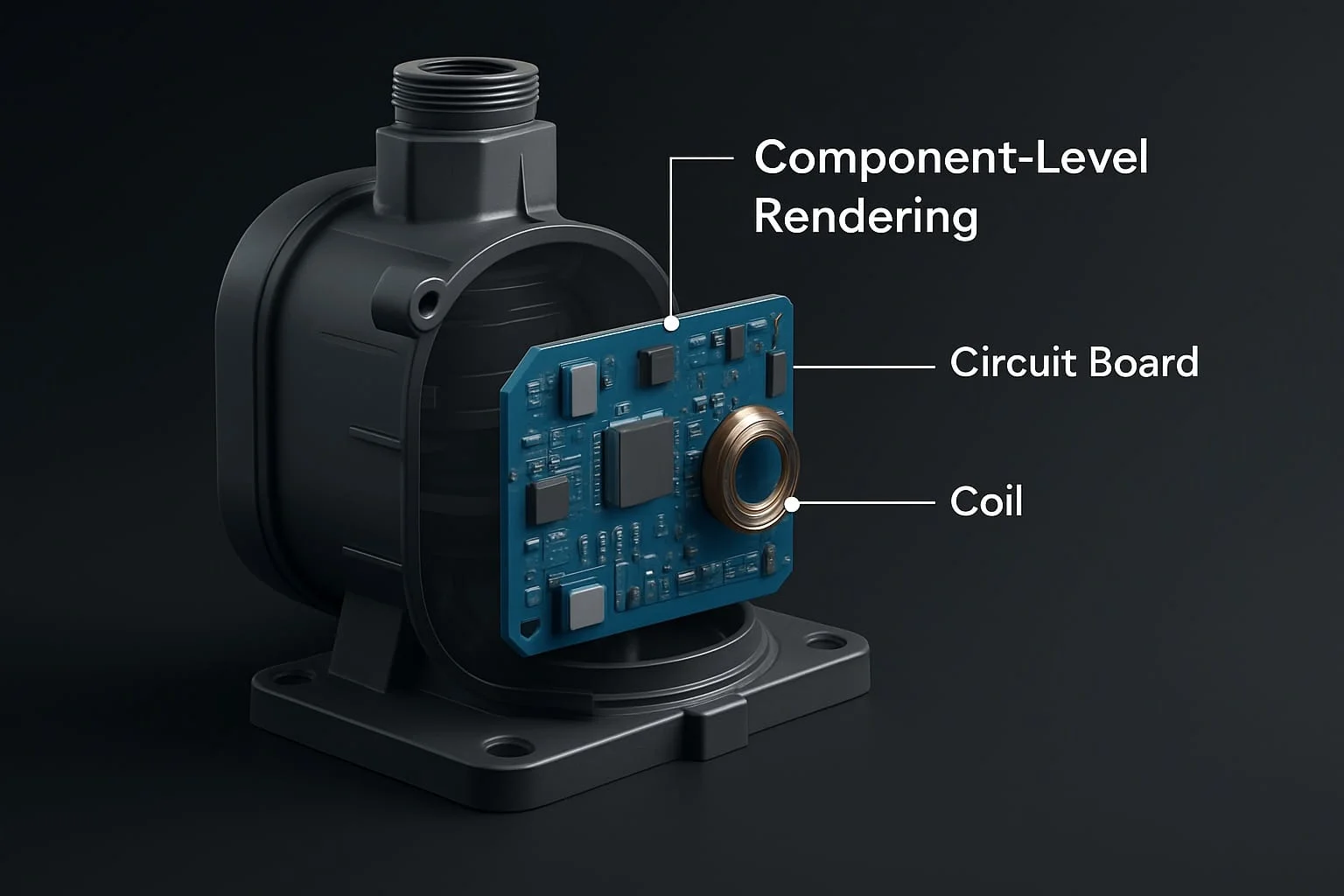
They’re especially powerful paired with interactive component visualizers — see this example of 3D component visualizer renders for scroll-friendly internal structure. For workflow integration, see our 3D product rendering services.

How Exploded View Renderings Differ from Traditional Technical Illustrations
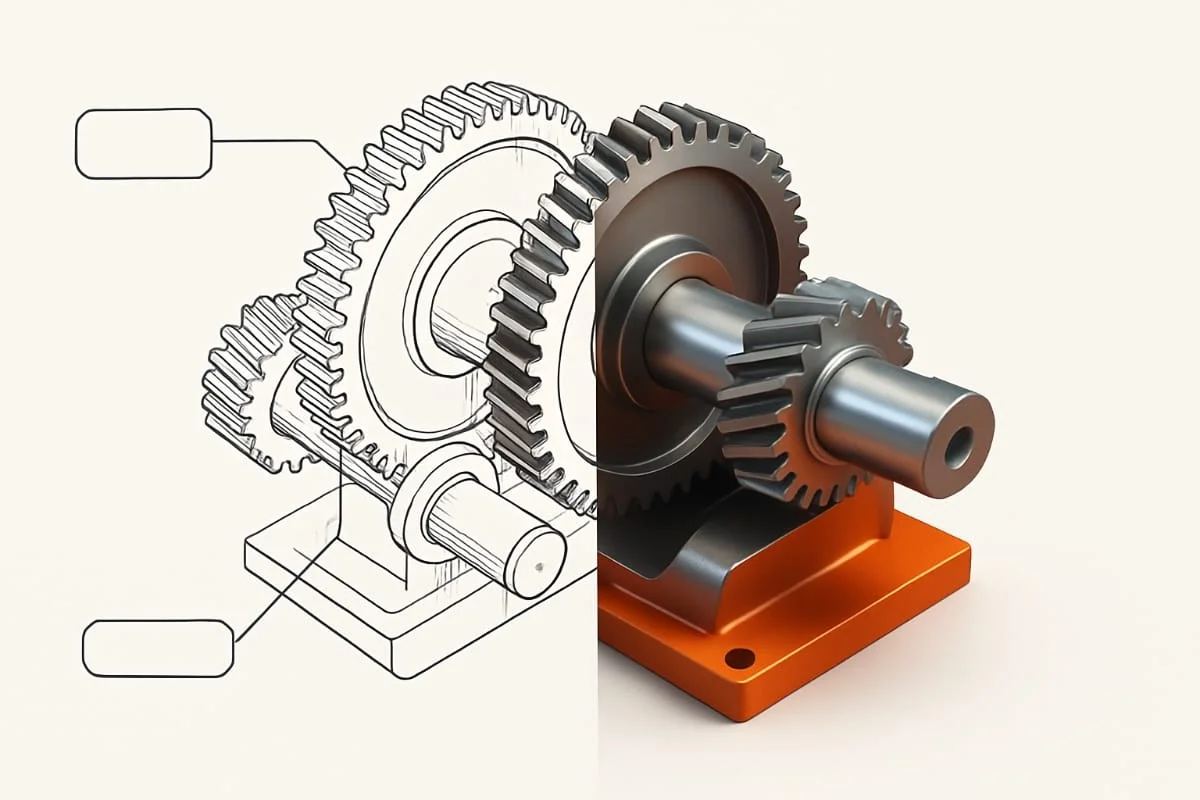
Technical illustrations often show 2D outlines or orthographic views; exploded 3D renderings add depth, realism, lighting and material detail. Where a CAD drawing focuses on dimensions and tolerances, an exploded render conveys both engineering structure and brand-grade presentation in a single image.

Want to See the Marketing Power of Exploded Views?
Exploded views aren’t just for engineers or product manuals anymore — they’re now a vital part of visual marketing. From product landing pages to pitch decks, brands use exploded renderings to:
- Grab attention with something visually unexpected
- Showcase premium materials or design innovation
- Build trust by showing exactly what’s under the hood
They turn complexity into clarity — which can be a powerful differentiator in crowded markets. If you want to see how they drive real results, explore the exploded view marketing benefits in action.
Conclusion
Exploded view renderings are storytelling tools that explain how a product works, highlight what makes it special, and guide buyers through complex decisions. Combined with photorealistic 3D rendering, they become standout assets across the full sales and marketing funnel. Explore our 3D product rendering services or get in touch for a tailored quote.
FAQs
What is an exploded view rendering used for? Exploded views are used to show how a product is assembled, highlight individual components, or communicate design intent. They’re helpful in engineering, manuals, marketing, and investor presentations.
Can exploded view renderings be animated? Yes. Animated exploded views allow viewers to see parts move apart or come together, which is ideal for demonstrating functionality, assembly, or technical workflows.
Do exploded view renderings work for marketing? Absolutely. When done right, they help highlight build quality and design detail — giving customers confidence in what they’re buying. We break this down more in our blog on exploded view marketing benefits.
How do exploded views compare to technical drawings? Technical illustrations often show 2D outlines or orthographic views. Exploded 3D renders add depth, realism, and engagement — especially useful for presentations. You can learn more in our guide on modern technical illustration techniques.
Are exploded views only for engineering teams? Not at all. They’re widely used by marketers, sales teams, eCommerce brands, and even product support teams to explain, promote, and educate.