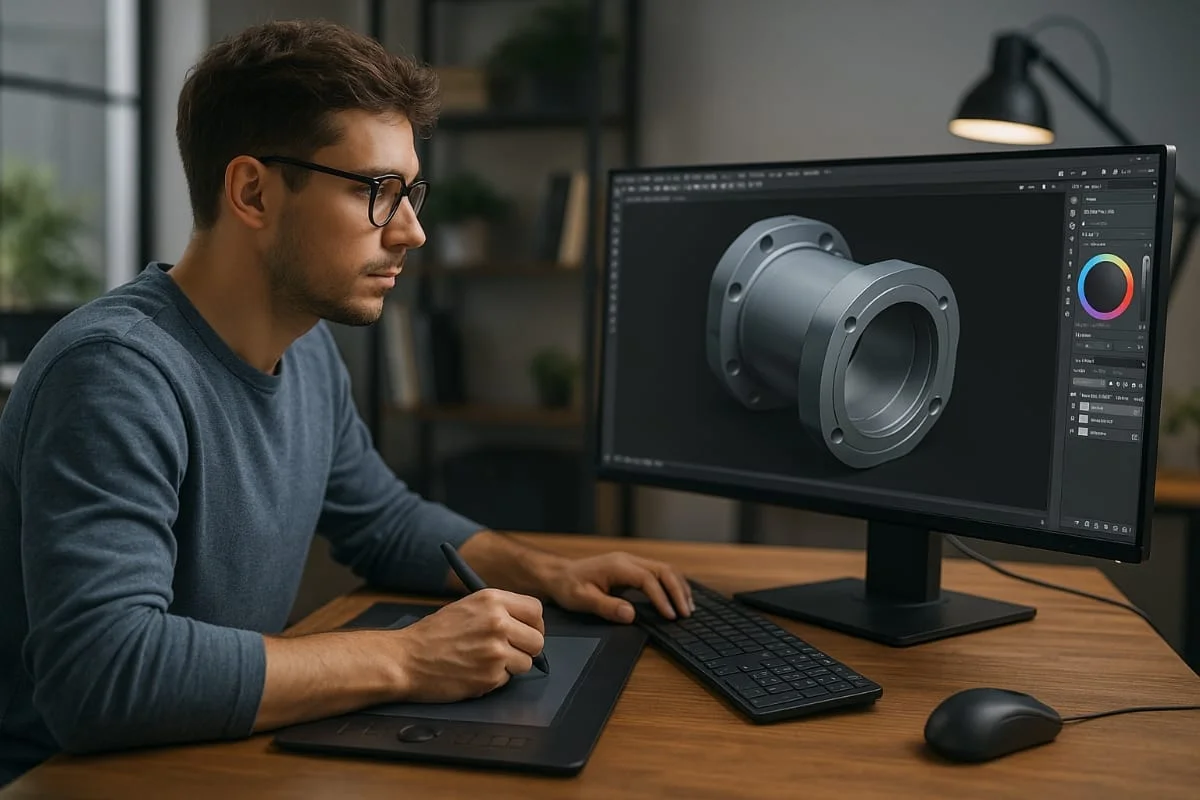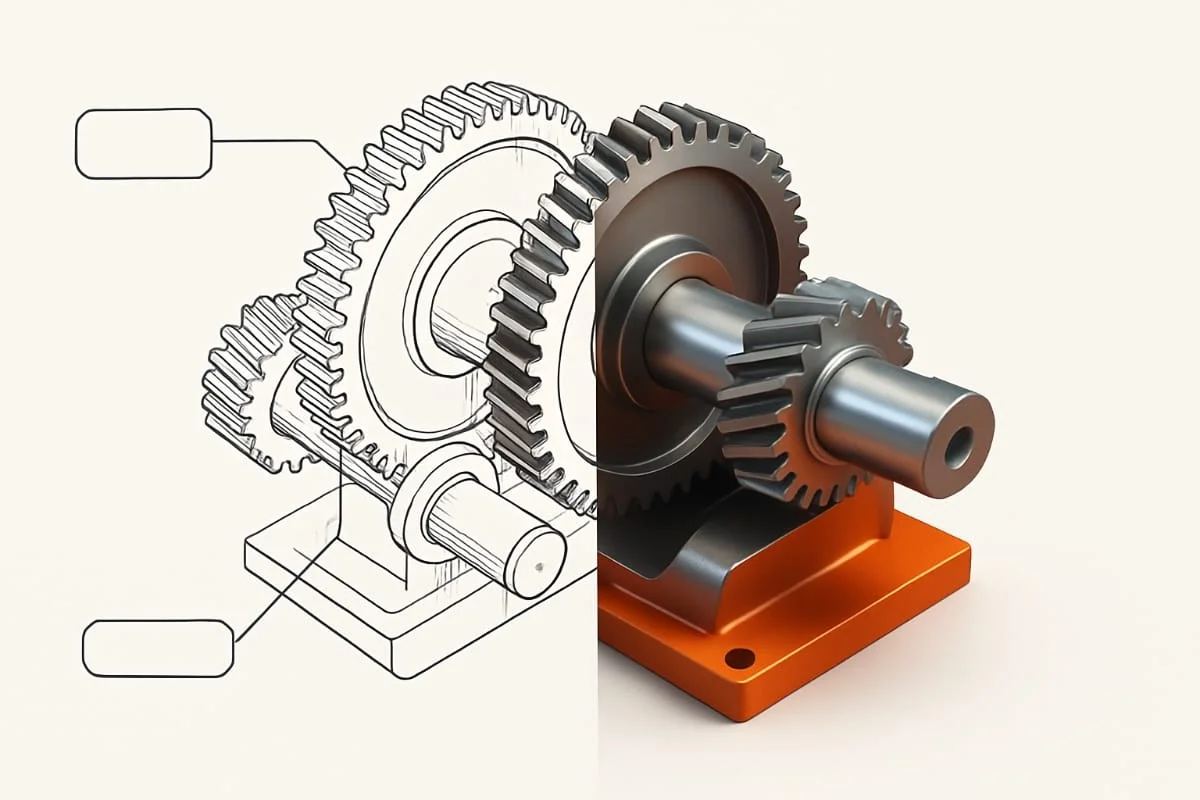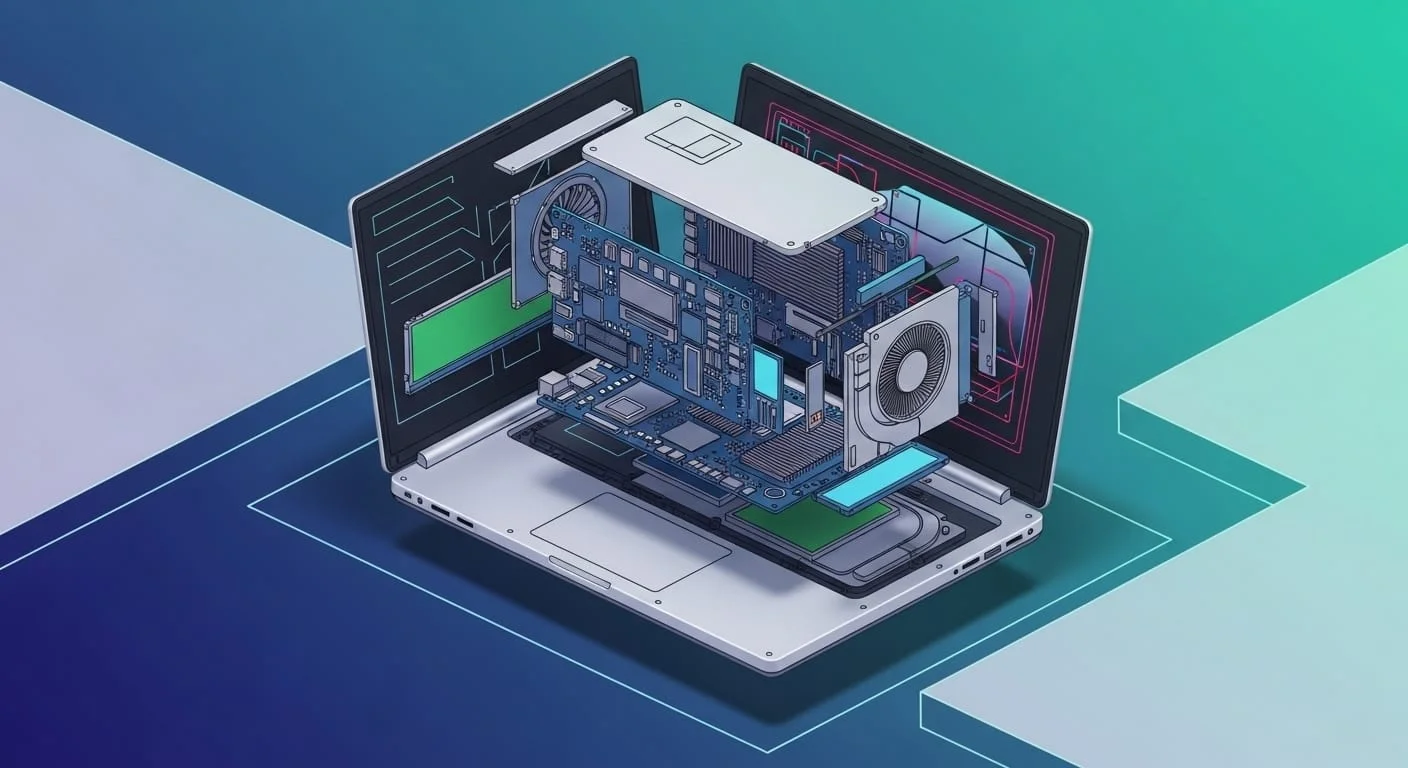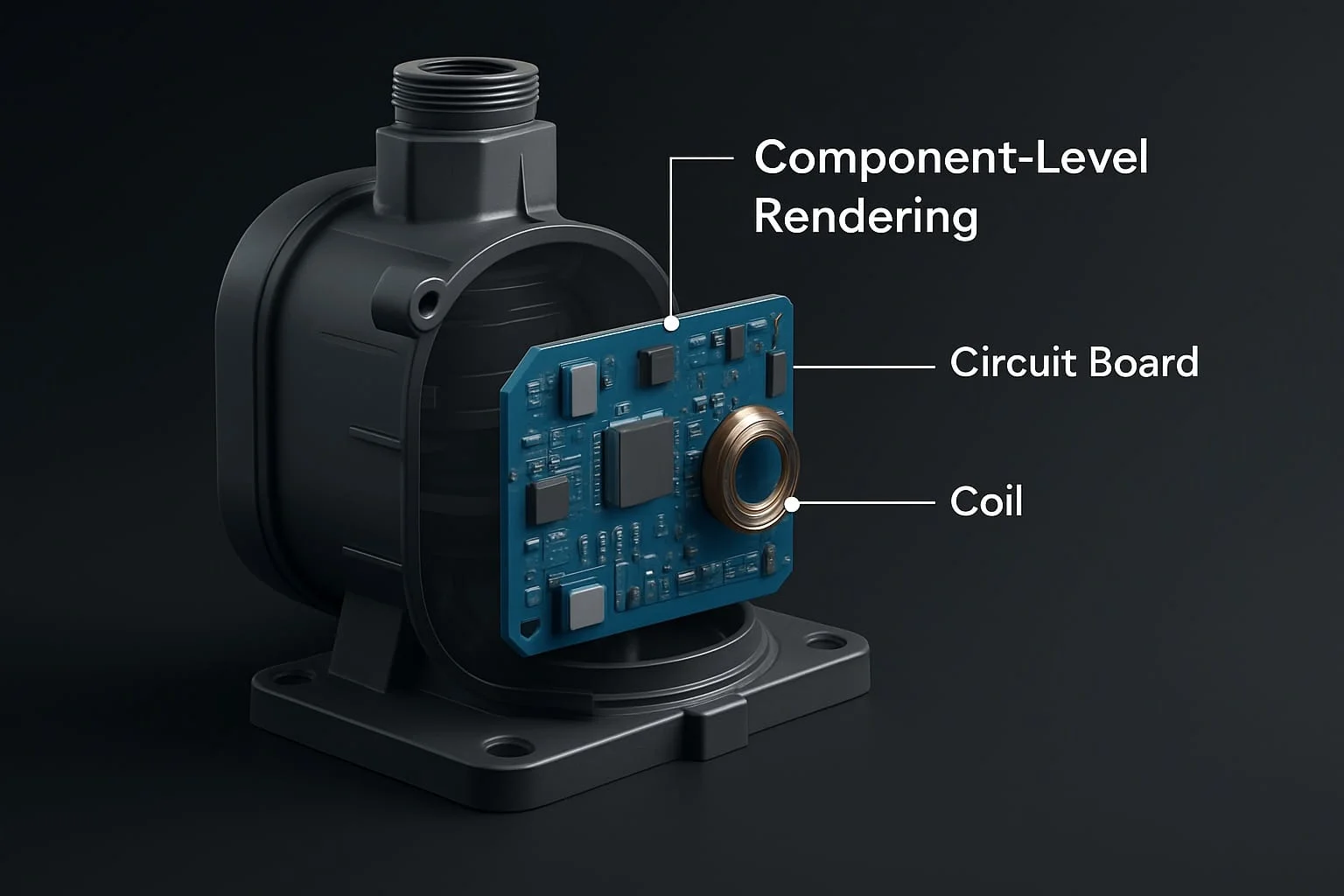
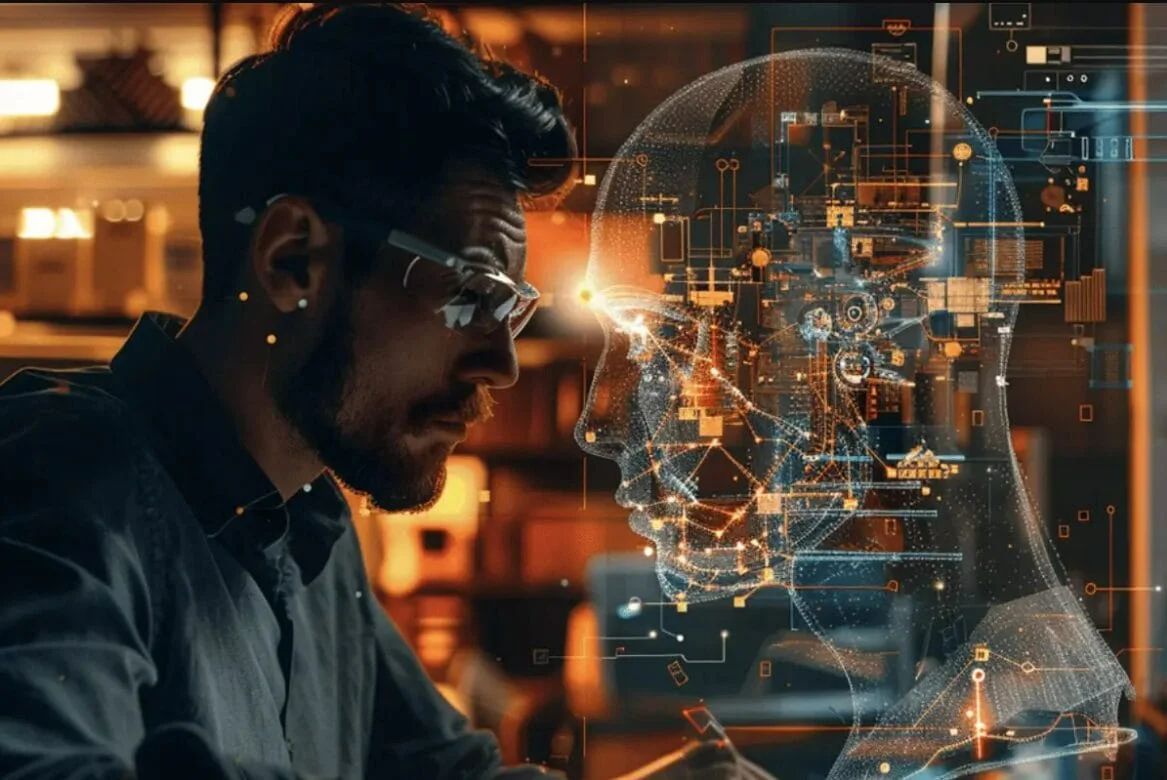
A product designer with AI as their palette represents a transformative era where AI blends creativity and technology to reshape product development and visualization.
AI is a revelation — a skilled co-artist that enhances vision with speed and precision. This article covers AI’s role in creativity, acceleration, collaboration, applications, and limitations across 3d product design.
Key Takeaways
- AI enhances creativity and innovation in product design.
- AI tools significantly reduce the time needed for design iterations.
- AI-generated designs offer high detail and realism, improving visualization.
- Human expertise is essential to refine and implement AI-generated concepts.
- AI in product design leads to better alignment with market trends and consumer needs.
AI in Product Design
AI is a paradigm shift using machine learning to analyze data, recognize patterns, and generate concepts in moments using tools like MidJourney.
Designing ergonomic office chairs: AI generated multiple high-detail concepts from parameters in hours instead of days. AI also enhances creativity by automating routine work; simulating materials and finishes frees the designer for innovation. AI acts as a versatile co-designer.
The Role of AI in Enhancing Creativity
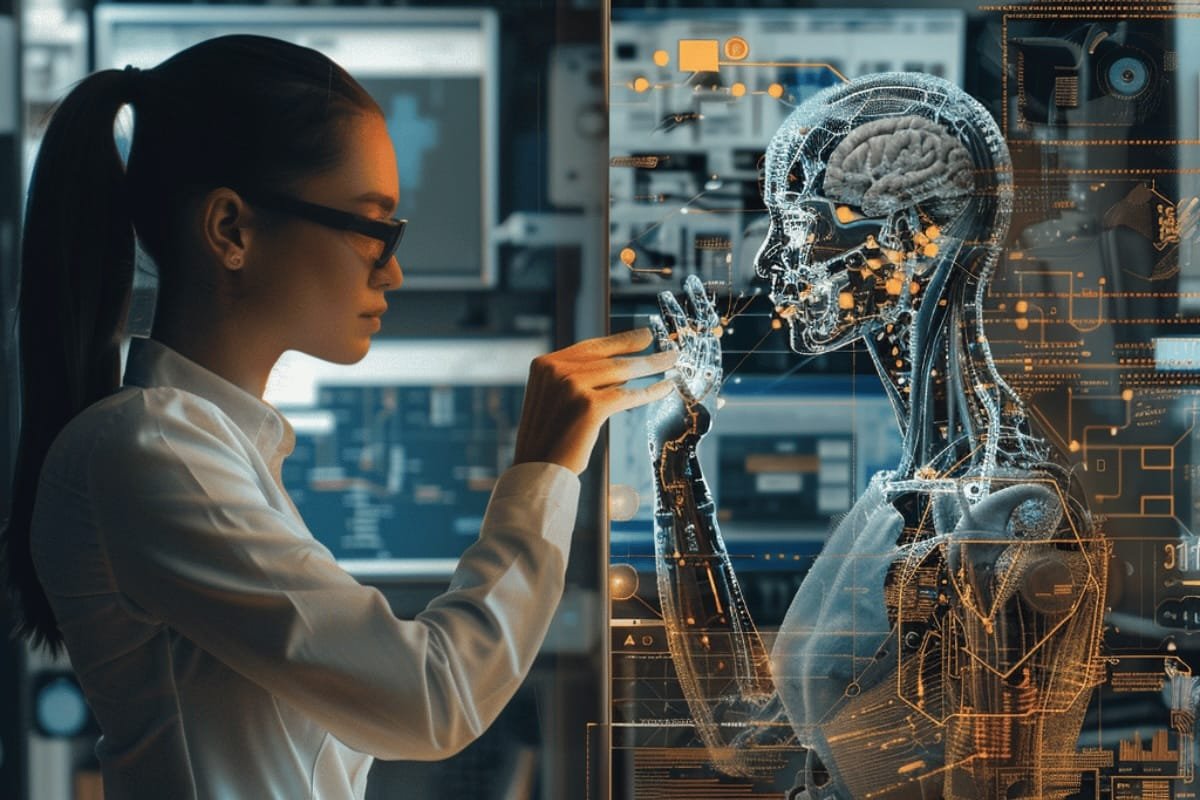
Creativity in product design thrives on collaboration; AI is a creative partner that broadens exploration.
MidJourney generates wide-ranging concepts from simple prompts — e.g. consumer electronics where AI offered futuristic to retro variations the team wouldn’t have considered. AI seamlessly blends artistic styles, opening novel cross-cultural design avenues.
AI’s true power is complementing human creativity — designers provide intuition about user behavior and cultural nuance that AI lacks. For a child’s nightlight, AI produced many whimsical concepts that the team refined into a final marketable design.
Accelerating the Design Process with AI
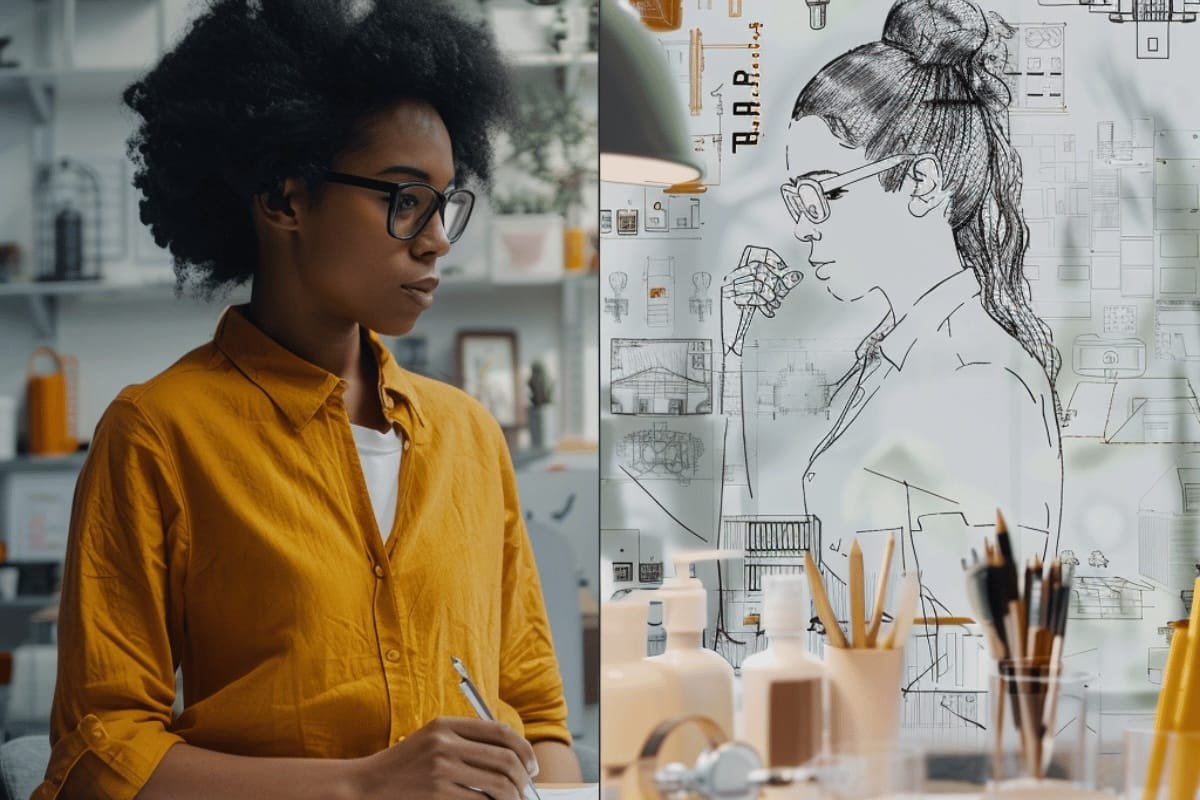
Speed is critical; AI dramatically shortens iteration cycles, turning days of 3D modeling into minutes. Smartwatch example: feeding inputs yields multiple detailed 3D variations, allowing immediate visualization and exploration.
Faster iterations also raise quality, letting teams test/refine more and visualize designs in different contexts before production.

AI and Human Collaboration In Product Design
Human expertise remains indispensable to refine AI options into practical, market-ready products. The designer evaluates AI concepts for durability, comfort, manufacturability and adapts them for production.
The collaboration lets designers focus on strategy and creativity while AI handles repetition, producing innovative yet practical products across the Product design process.
Practical Applications of AI in Various Design Industries
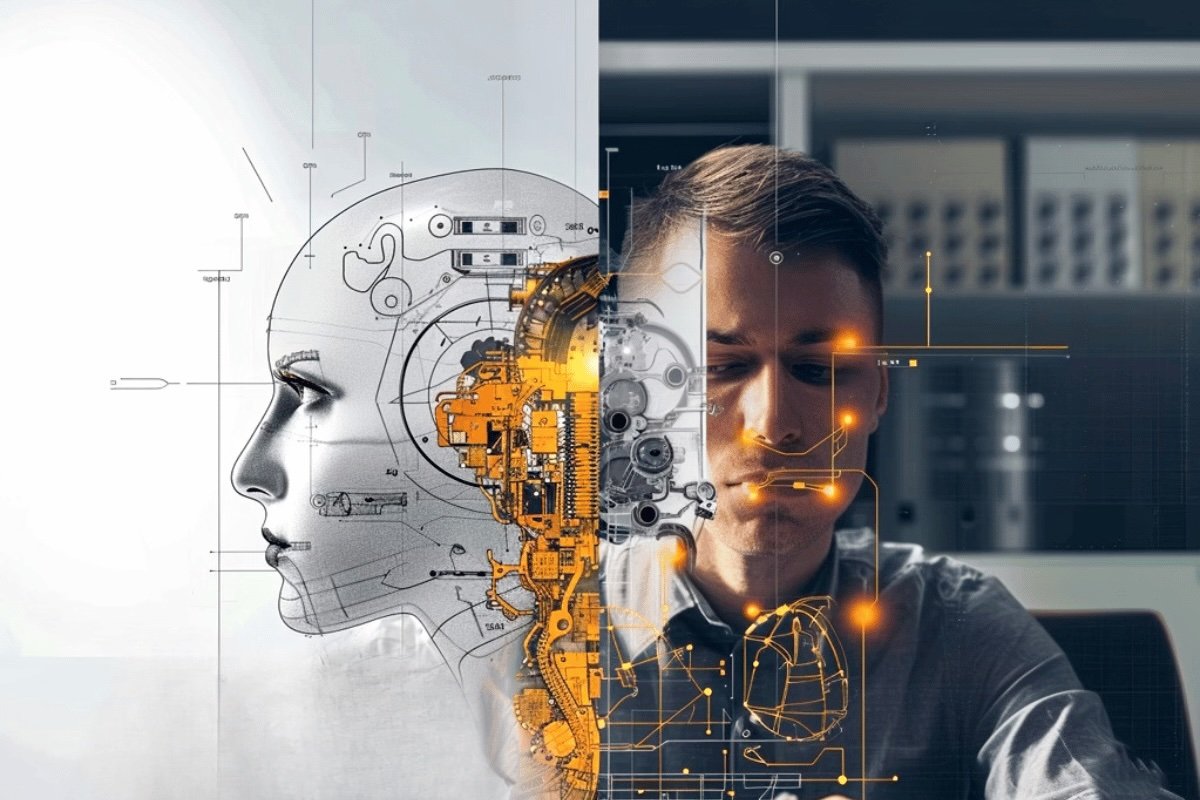
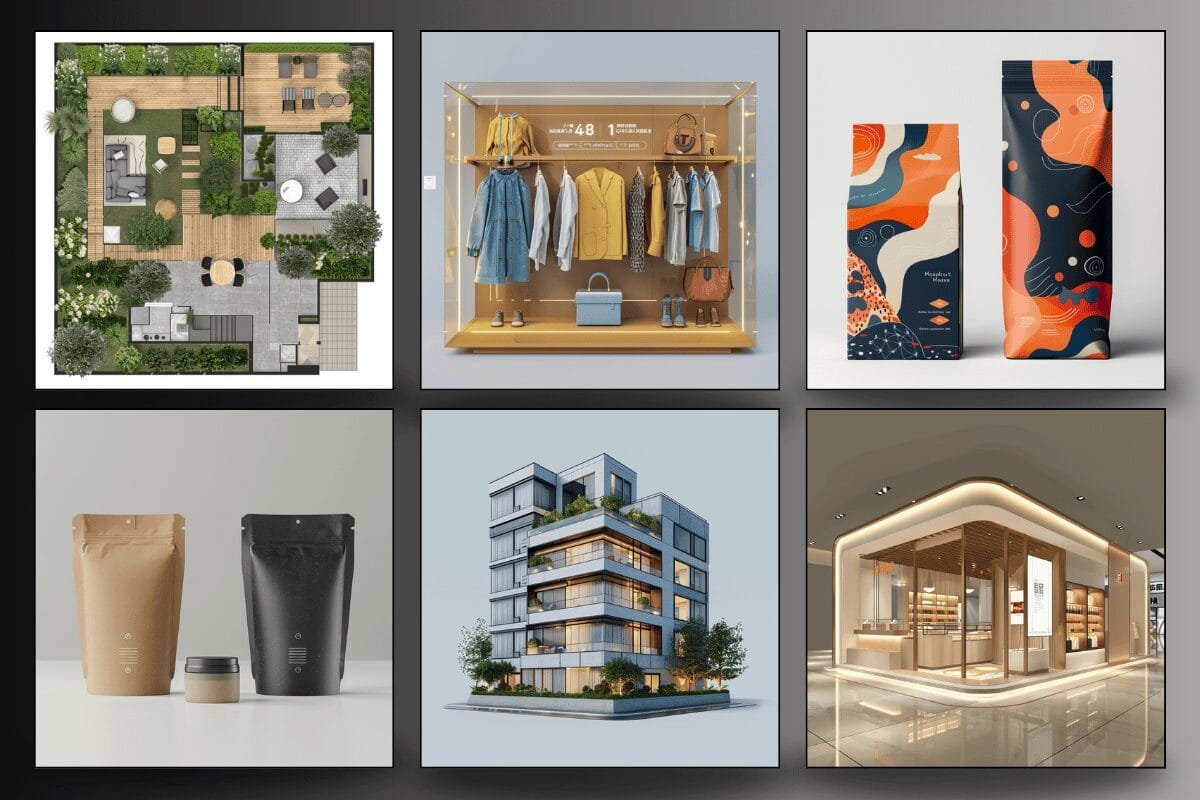
AI is versatile across industries — architecture, fashion, packaging, industrial, product, automotive — each benefiting uniquely.
Architecture and Interior Design
MidJourney quickly generates conceptual spaces; outputs look impressive but can lack accuracy and are best for testing ideas. AI for architects helps visualize layouts/decor; designers and rendering companies refine outputs so clients can preview spaces before construction and optimize for energy efficiency.
Fashion and Apparel
AI conceptualizes new patterns, fabrics, and clothing lines fast, and analyzes trends/preferences to guide design and personalization.
Product Packaging Design
AI helps visualize and iterate packaging concepts (shapes, materials, graphics) in a virtual environment for more creative, functional results.
Industrial Design
AI rapidly generates and iterates complex parts and machinery, optimizing for functionality and manufacturability via material/stress simulations.
Product Design
AI tools enable detailed photorealistic visualizations, speeding iteration and producing more refined final designs across the broader product field.
Automotive Design
AI generates car interior/exterior renderings, explores styles quickly, and supports engineering analysis for aerodynamics and efficiency.
Challenges and Limitations of AI in Product Design
AI brings opportunities but also constraints designers must understand to integrate it effectively.
Recognizing AI’s Limitations and Challenges
AI is strong at concepts and visuals but has notable constraints.
Issues with Manufacturability and Practical Implementation
AI-generated designs can use unfeasible materials or compromise structural integrity if engineering constraints aren’t accounted for; human review is essential.
Data Dependency and Bias
AI outputs reflect their training data; biased/limited data leads to biased designs — diverse datasets are critical for global appeal.
Technical Expertise and Integration
Integrating AI requires technical know-how, learning curves, and workflow adaptation/training/infrastructure investment.
Managing Client Expectations
AI’s polish raises client expectations; designers must communicate that AI output is conceptual and downstream development is still required.
Human Expertise is Irreplaceable
AI augments but cannot replace human creativity, empathy, and abstract thinking — best results come from human–AI collaboration.
AI in 3D Rendering and Visualization
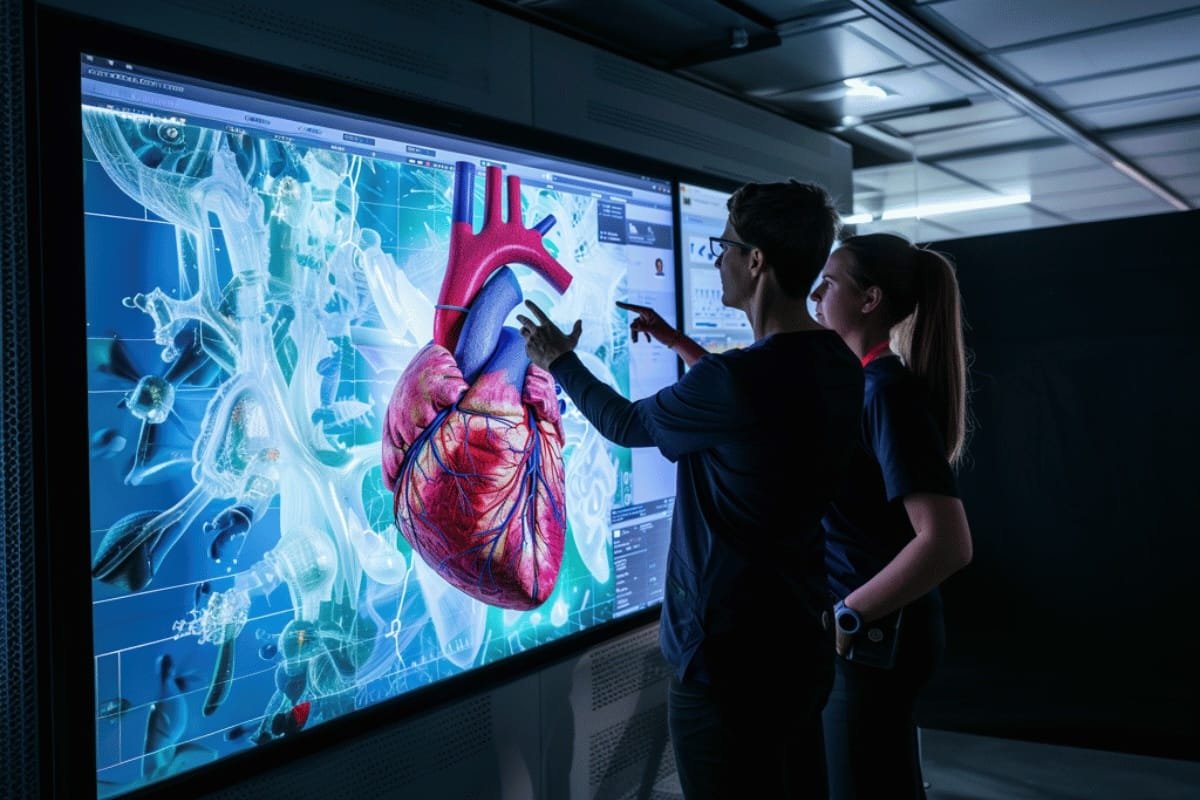
AI integration into 3D rendering has revolutionized conceptualization and presentation, improving efficiency and visual appeal.
Enhancing 3D Rendering with AI Tools Like MidJourney
MidJourney adds realism and detail to renders, useful for rapid testing — though outputs aren’t always accurate enough for final imagery.
A Detailed Look at How AI Enhances 3D Rendering
AI produces intricate textures, lighting and shading at high realism, helping stakeholders see the product clearly. AI can simulate lighting environments and generate design variations, valuable in industries like automotive and consumer electronics where appearance is critical.
Conclusion
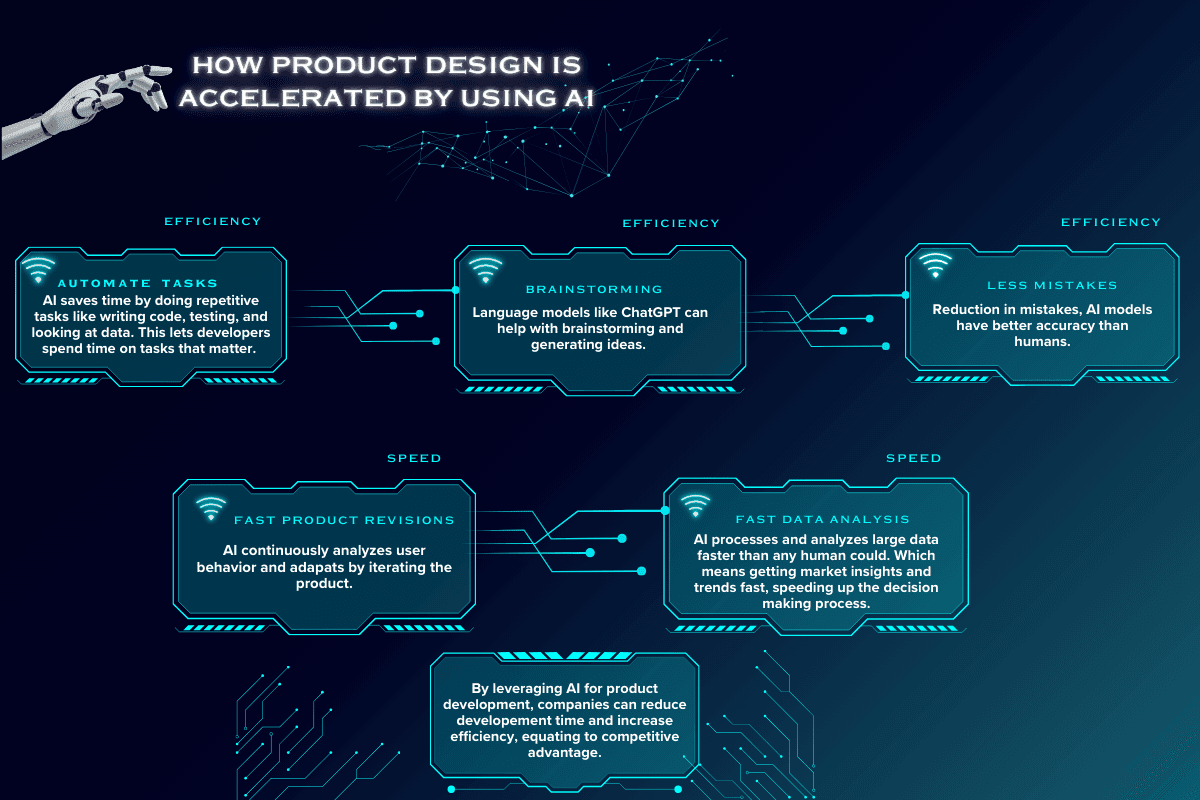
AI is a game-changer offering creativity, efficiency, and realism; combined with human expertise it drives more impactful, market-aligned products.
Enhance Your Product Design with AI-Driven Rendering Services
Leverage AI alongside our expert team — explore our Product Rendering services.
FAQs
How is AI transforming product design? AI revolutionizes product design by enabling rapid generation of diverse and intricate concepts, enhancing creativity and efficiency.
What are the limitations of AI in product design? AI may struggle with practical manufacturing considerations and specific engineering insights, requiring human expertise for refinement.
Can AI replace human designers? AI complements but cannot fully replace human designers, as human creativity and expertise are crucial for refining and implementing AI-generated ideas.
How does AI improve 3D rendering in product design? AI tools like MidJourney produce photorealistic renders quickly, enhancing visualization and allowing for more detailed and realistic product concepts.